



AI Chatbots in Marketing: Enhancing Customer Experience, Lead Generation & ROI

Key Takeaways
- AI chatbots in marketing deliver instant engagement, personalization, and scalable automation across the entire customer journey.
- Strong AI chatbot customer experience comes from real-time responses, personalization, and seamless 24/7 availability.
- Chatbot lead generation outperforms static forms using conversational flows and real-time user engagement.
- A marketing automation chatbot reduces manual workload while improving funnel efficiency and response accuracy.
- AI chatbot ROI grows through operational savings, higher-qualified leads, and improved conversion efficiency.
- Modern conversational marketing tools integrate directly with CRM platforms and the broader marketing tech stack.
Over the past few years, businesses have experienced a massive shift in how customers interact with brands online. Users now expect instant responses, personalized guidance, and frictionless experiences at every stage of the journey. That level of speed and personalization is nearly impossible for human teams alone; and that’s exactly where AI chatbots in marketing have stepped in. What started as simple “FAQ bots” has evolved into intelligent systems capable of handling meaningful conversations, qualifying leads, supporting buyers, and nudging prospects toward conversion. Instead of customers waiting for office hours or agents juggling dozens of chats, AI handles the heavy lifting in real time.
Marketers today aren’t using chatbots just because they’re trendy; they’re using them because they solve real problems. Rising customer expectations, shrinking attention spans, and increasing competition mean every digital interaction matters. An AI-driven website chat widget can greet visitors instantly, guide them through products, and remove friction that stops them from converting. Meanwhile, teams enjoy automation that gives them more time to focus on strategy rather than repetitive support tasks. Whether you’re looking to boost conversions, streamline support, or build smarter funnels, chatbots offer a practical and scalable way to elevate your marketing engine.
- Quick Note: Most brands don’t realize 70% of website visitors leave without asking a single question.
What Are AI Chatbots in Marketing?
AI chatbots are intelligent conversational systems designed to interact with customers, answer questions, and support marketing goals using natural language processing and machine learning. In the past, chatbots were rigid, rule-based tools that depended on predefined scripts. Today, they’re far more powerful. Modern AI chatbots in marketing understand intent, personalize responses, and guide users across multiple touchpoints — from awareness to conversion. They integrate directly into your marketing tech stack, becoming an active part of your campaigns instead of passive add-ons.
Brands use chatbots to handle everything from 24/7 customer support to product recommendations, appointment scheduling, campaign promotions, and funnel-based nurturing. Because chatbots learn from data, they continue improving with each interaction, becoming more accurate and helpful over time. This makes them ideal for businesses looking to scale customer interactions without expanding their team or losing quality.
Whether placed on landing pages, e-commerce stores, or social platforms, they function as dynamic conversation engines. They can ask clarifying questions, detect purchase intent, and trigger the right marketing sequence. For companies that struggle to respond quickly to enquiries or qualify leads manually, an AI-driven chatbot becomes an on-demand digital assistant. Instead of waiting for responses or searching through menus, customers get immediate, human-like help; which dramatically boosts satisfaction and overall engagement.
Why AI Chatbots Are Becoming Essential in Modern Marketing
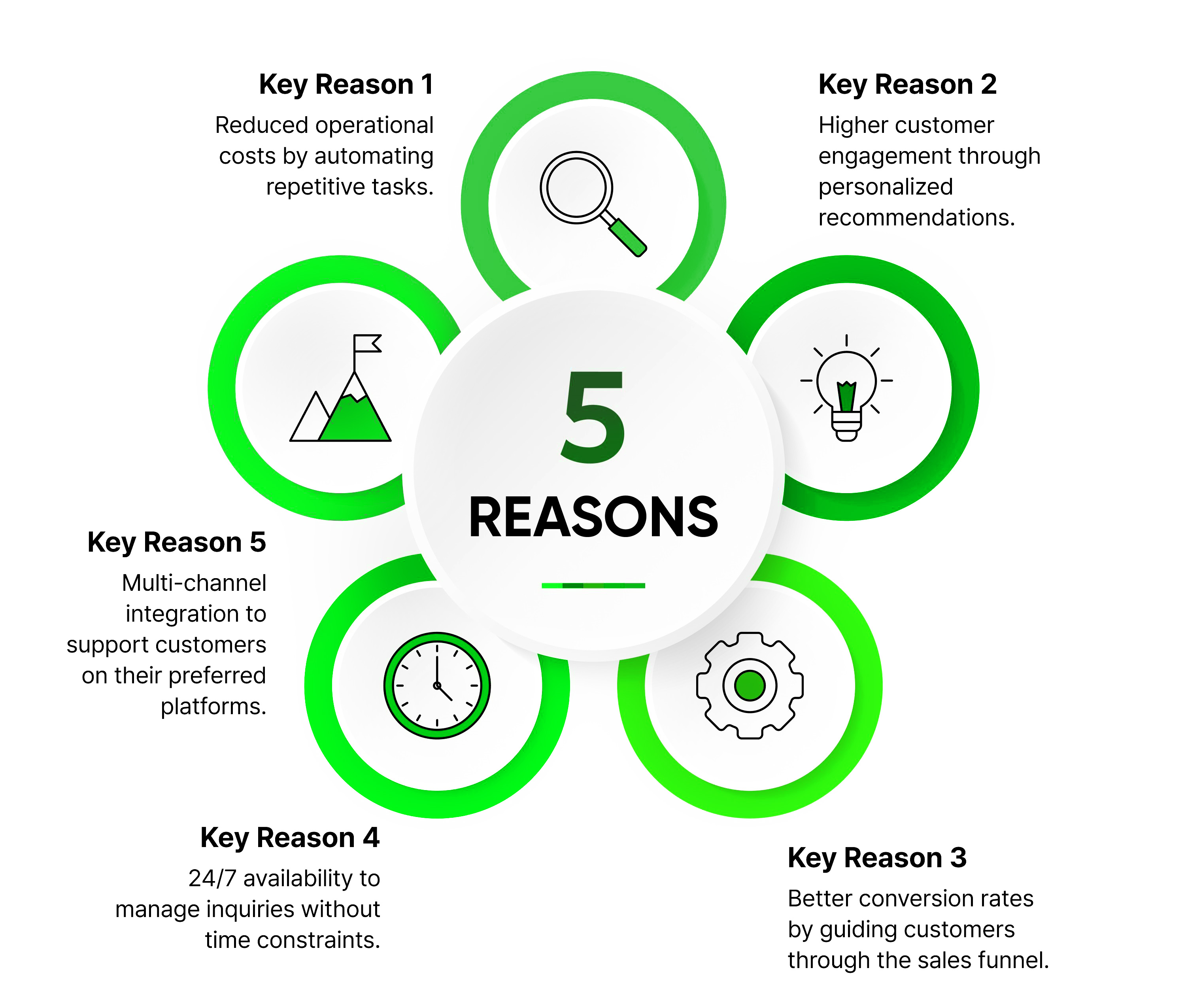
Marketing has always been about showing up at the right time, and today, that time is immediate. Customers expect quick answers, relevant guidance, and smooth interactions without delays. As expectations around speed, personalization, and convenience continue to rise, many businesses are turning to AI chatbots to bridge the gap between what customers want and what teams can realistically deliver. Below are the key reasons driving this shift.
Key Reasons Brands Are Adopting AI Chatbots
-
Instant responses, anytime customers need them
People expect answers as soon as questions come up. AI chatbots make this possible by providing consistent, accurate responses around the clock, without relying on office hours or staff availability. -
Personalized conversations at scale
As demand for self-service and immediacy grows, human-only support becomes difficult to scale. Conversational marketing tools help deliver tailored interactions across the marketing funnel, keeping experiences relevant from awareness through decision-making. -
Less manual work, better use of team time
Routine tasks like answering common questions, collecting contact information, and routing enquiries take up valuable resources. A marketing automation chatbot handles these actions instantly, allowing teams to focus on strategy and more meaningful customer interactions. -
More efficient lead handling with CRM integration
Chatbots go beyond basic responses. They qualify leads, direct users to the most relevant pages, and trigger workflows directly within the CRM. All of this happens automatically, with accuracy and consistency. -
A smoother experience than forms or email
Long forms and delayed email replies often frustrate users. Chatbots offer a more natural, conversational way to interact, helping prospects move forward faster while keeping engagement high. -
Better data for segmentation and personalization
Every chatbot interaction provides insight. By capturing intent, preferences, and behavior in real time, chatbots help marketers refine segmentation and build more precise personalization strategies. -
Staying competitive through early adoption
As competition increases, brands that rely only on traditional forms and delayed responses risk falling behind. Early adopters of AI-powered automation benefit from higher engagement, improved conversions, and stronger customer relationships.
AI chatbots are no longer just supporting tools; they are becoming a core part of modern marketing strategies. By combining speed, automation, and personalization, they help businesses meet evolving customer expectations while improving efficiency and conversion performance. Brands that embrace chatbot-driven experiences early are better positioned to scale effectively, respond faster, and remain competitive as digital interactions continue to evolve.
- Fun Fact: By 2027, over 80% of customer interactions are predicted to be automated.
Enhancing Customer Experience With AI Chatbots
A standout AI chatbot customer experience is rooted in speed, accuracy, and personalization. When customers visit your website, they’re often looking for clarity; whether that’s pricing information, product recommendations, or help choosing the right service. Chatbots eliminate wait times and step in immediately, guiding the user through their path without frustration. For companies with global customers, the promise of 24/7 customer support becomes a competitive advantage. Your business stays available even when your team is offline.
Chatbots also enhance the quality of interactions. They remember user behavior, past conversations, and preferences, creating a personalized journey rather than offering one-size-fits-all replies. This personal touch increases trust and encourages users to take the next step, whether that’s booking a call or completing a purchase. The ability to detect sentiment or escalate complex cases to humans ensures that customers always feel heard.
There’s also a significant UX benefit. Instead of navigating complex menus or browsing multiple pages, users can simply ask a chatbot questions and get direct answers. This reduces bounce rates and improves conversion paths. An AI-driven website chat widget not only boosts engagement but also prevents customers from dropping off due to confusion or unanswered questions. When optimized well, chatbots create a frictionless experience that blends automation with human-level empathy.
Chatbots for Lead Generation & Automated Qualification
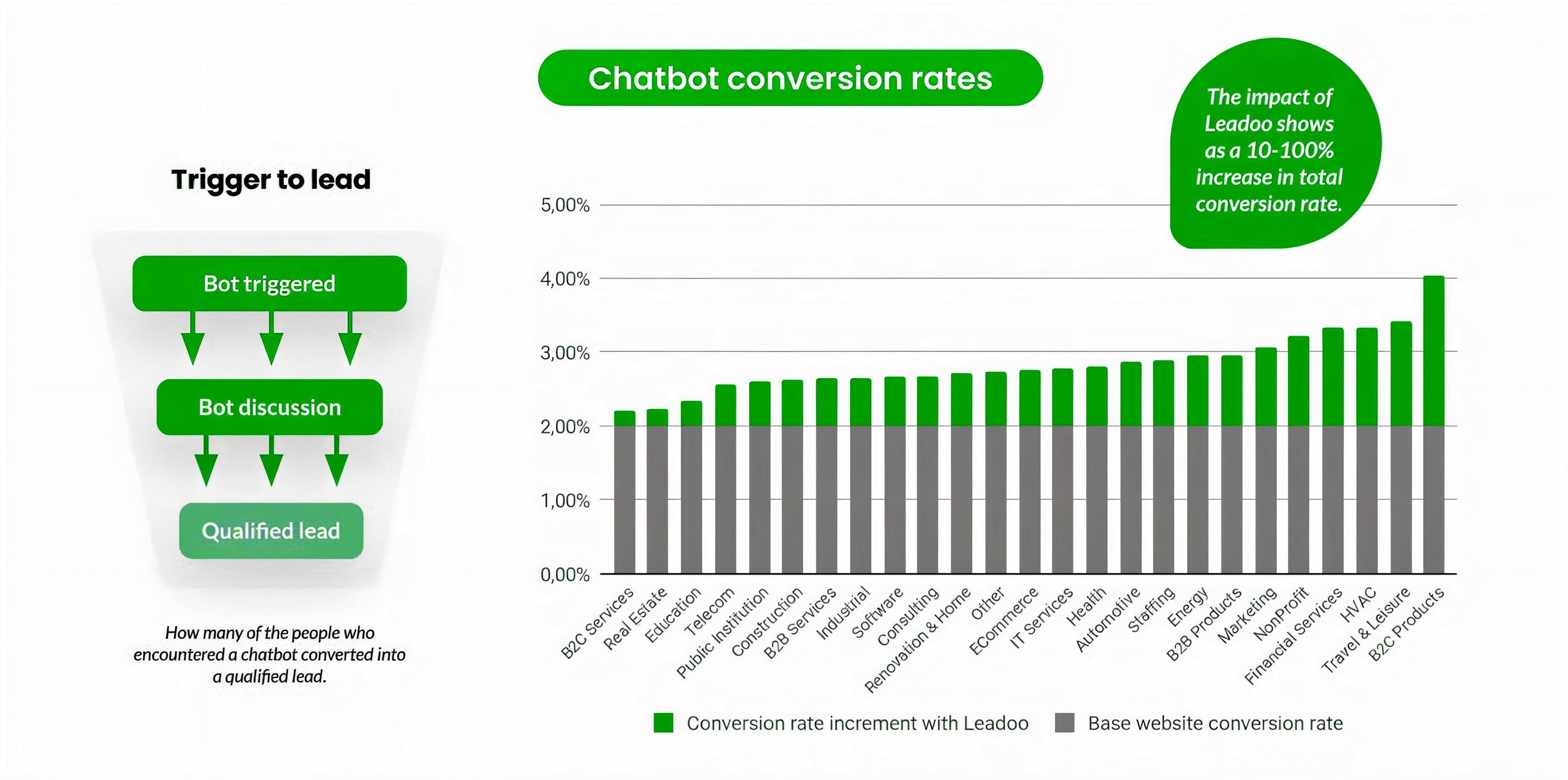
One of the most practical uses of AI chatbots in marketing is their ability to improve how leads are captured and qualified. Traditional forms often feel impersonal and slow, causing many visitors to leave without engaging. Chatbots change this by creating real-time, guided conversations that feel helpful rather than intrusive.
How Chatbots Improve Lead Generation and Qualification
-
Stronger engagement through conversational lead capture
Chatbot lead generation performs better than static forms because chatbots interact with visitors instantly. By asking relevant, tailored questions in a conversational way, they collect information naturally. When prospects feel guided instead of interrogated, they are more comfortable sharing details. -
Real-time automated lead qualification
AI-driven chatbots analyze user responses, intent, and on-site behavior to perform automated lead qualification. Instead of forwarding every enquiry to sales, they score and filter leads automatically, ensuring only high-quality prospects reach your team. -
Smarter CRM tagging and lead routing
Qualified leads can be tagged inside the CRM based on interest, urgency, or readiness to buy. Chatbots then route warm leads directly to sales, reducing wasted effort on low-intent enquiries and improving follow-up accuracy. -
Guided movement through conversational funnels
Chatbots support conversational funnels by guiding prospects through awareness, interest, and decision stages. For example, a visitor reviewing features may be directed to case studies or a demo, while pricing-related questions can trigger tailored recommendations or booking links. -
Multi-channel lead capture where users already engage
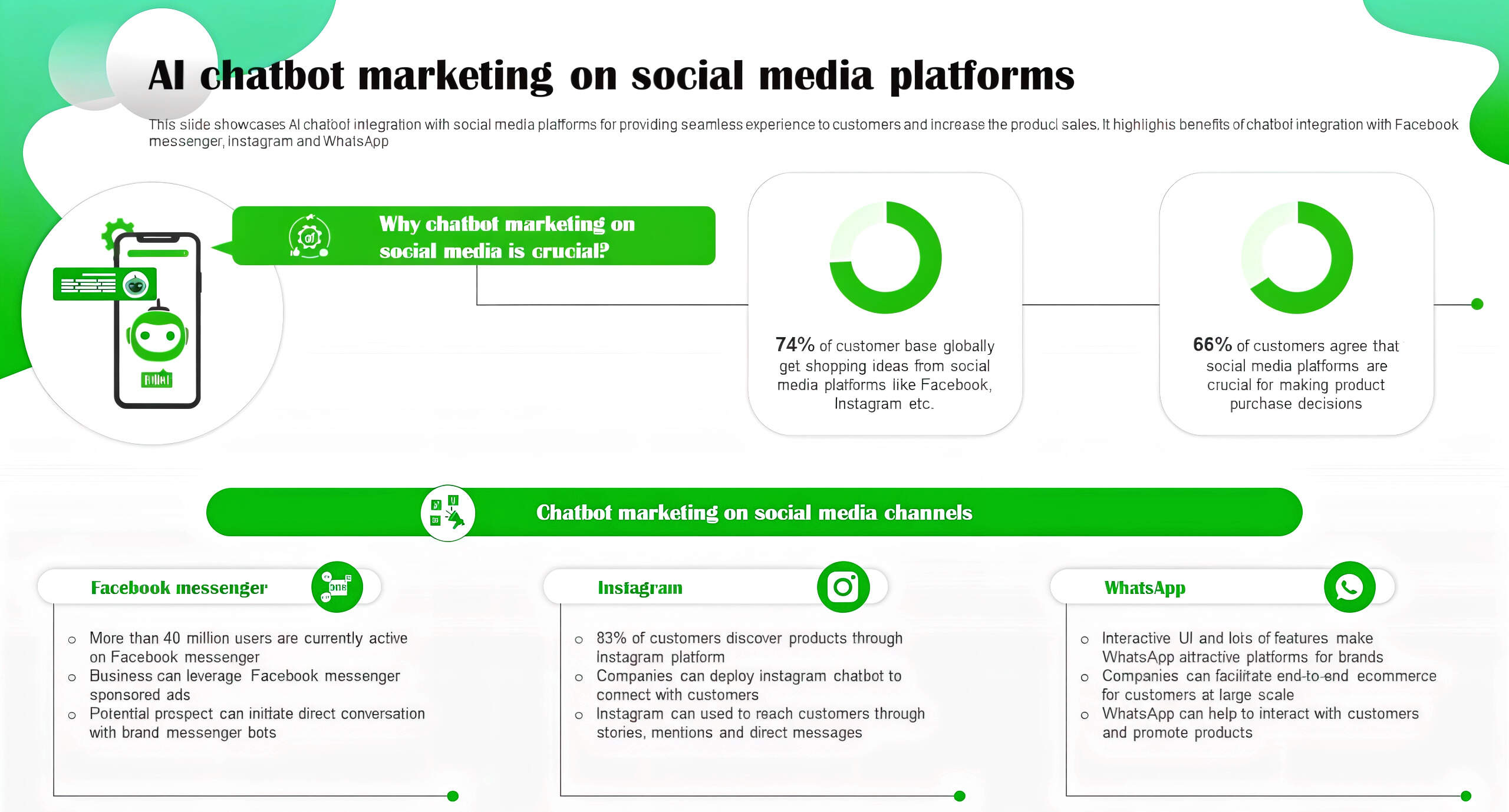
Marketing teams can deploy chatbots across landing pages, social ads, WhatsApp, Messenger, and email. This allows AI chatbots in marketing to capture leads in the environments users prefer, increasing response rates and overall reach. -
More predictable and efficient pipelines
When combined with smart segmentation, chatbot-driven interactions create a more organized and predictable pipeline. Leads are captured, scored, and routed consistently, making performance easier to track and optimize.
Chatbots have transformed lead generation from a passive form-based process into an active, conversational experience. By combining chatbot lead generation with automated lead qualification, businesses can engage visitors more effectively, protect sales team time, and move prospects smoothly through conversational funnels. The result is a cleaner pipeline, higher-quality leads, and a more efficient path from first interaction to conversion.
- Did You Know? Chatbots capture nearly 4–6x more leads than static forms on landing pages.
Chatbot Drip Campaigns & Lead Nurturing
Drip campaigns are typically driven by email, but modern marketers are now integrating chatbot drip campaigns to automate follow-ups more interactively. Unlike static emails, chatbots can respond dynamically, tailoring their messages to user behavior. For example, if someone shows interest in a particular service, the chatbot can automatically deliver additional resources, relevant offers, or reminders through conversational flows.
This real-time personalization helps shorten sales cycles. Instead of waiting hours or days for a follow-up, users receive contextual messages instantly. Chatbots can share product comparisons, gather objections, and address concerns without human intervention. This style of conversational nurturing builds trust while positioning your brand as responsive and customer-centric.
Below is a quick comparison of chatbot nurturing vs. email nurturing:
| Nurturing Method | How It Responds | Personalization | Engagement Style | Speed | Best Use Case |
| Email Drip Campaigns | Sends scheduled messages at set intervals. | Moderate, segment-based personalization. | Passive, depends on opens and clicks. | Slower, inbox-dependent timing. | Long-form nurturing and follow-up flows. |
| Chatbot Drip Campaigns | Responds instantly based on user input. | Highly adaptive, real-time behavior mapping. | Interactive, guided two-way conversation. | Instant replies with no delay. | Fast qualification and high-intent conversions. |
These automated sequences also support upselling and cross-selling, especially in e-commerce and service-based industries. When someone interacts with specific products, the chatbot can recommend complementary items or guide them toward bundles and promotions. With smarter logic and real-time triggers, chatbot nurturing helps convert hesitant leads into confident buyers.
Measuring AI Chatbot ROI
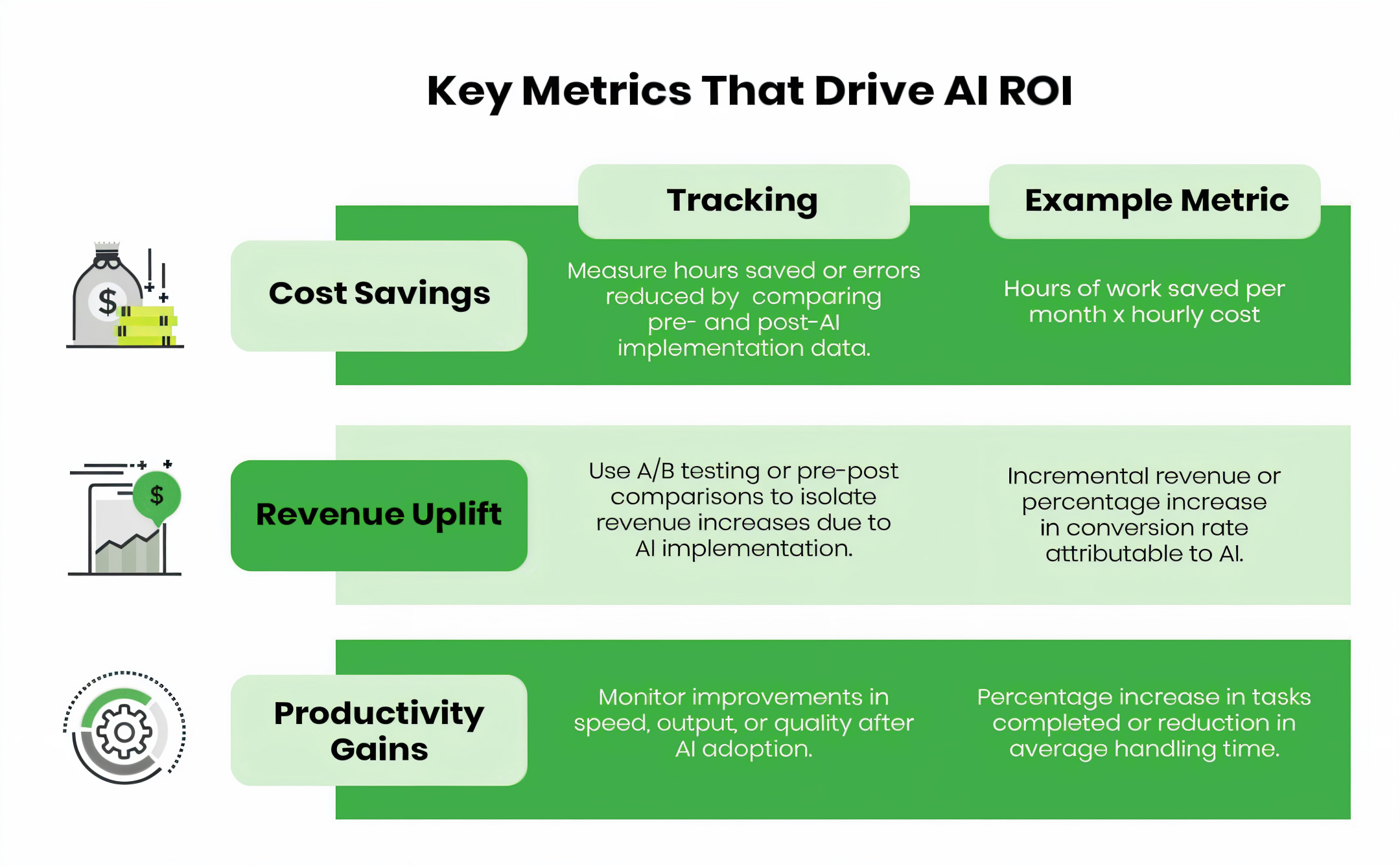
Calculating the ROI of an AI chatbot is easier than many marketers realize. Because chatbots handle direct interactions, every engagement becomes measurable. You can track savings in support costs, an increase in conversions, higher lead capture rates, and improvements in customer satisfaction; all using accessible analytics dashboards. Unlike manual workflows, chatbots deliver clear data points for every conversation and funnel stage.
The first place ROI becomes visible is in operational efficiency. When chatbots automate repetitive questions and basic support, your team spends fewer hours on routine tasks. This reduces labor costs while improving response times. For high-volume businesses, the savings are substantial.
Next, conversions. By guiding users, offering personalized recommendations, and reducing friction, chatbots often increase sign-ups, demo bookings, and purchases. Their ability to trigger offers at the right moment leads to measurable revenue lifts. Meanwhile, better lead qualification means fewer wasted sales efforts.
Customer experience metrics also influence ROI. Faster responses, higher satisfaction, and smoother journeys create long-term value. When customers enjoy interacting with your brand, they’re more likely to return and refer others.
By combining cost savings, increased conversions, and improved retention, AI-powered chatbots deliver ROI that compounds over time; making them one of the most cost-efficient tools in the modern marketing tech stack.
Deploying Chatbots in Your Marketing Ecosystem
Successful deployment of AI chatbots in marketing requires a structured approach. It begins with identifying where conversational automation will add the most value; whether that’s customer support, lead capture, product assistance, or funnel progression. Once priorities are clear, teams choose the right marketing automation chatbot platform that aligns with their goals and integrates smoothly into existing systems.
Implementation involves mapping conversations, defining goals, and ensuring the chatbot has high-quality training data. A good chatbot doesn’t try to replace humans; it complements them. That’s why escalation paths matter. When the chatbot detects frustration or complex needs, it should instantly transfer to a human agent.
Testing is the next critical stage. Before launching the chatbot publicly, businesses run internal simulations to verify accuracy, tone, and behavior across common scenarios. Every conversation should feel natural, helpful, and aligned with brand identity.
Post-launch, continuous optimization is essential. Chatbots learn from interactions, but marketers must update scripts, add new flows, and analyze performance weekly. This keeps the bot relevant and responsive.
When deployed properly, chatbots integrate seamlessly into your channels, from your website chat widget to messaging apps, social media, and email automation. Together, they create a connected, intelligent system that supports and strengthens your entire marketing engine.
- Did You Know? Most chatbot failures come from poor flow design, not AI limitations.
Challenges & Best Practices for Chatbot Success
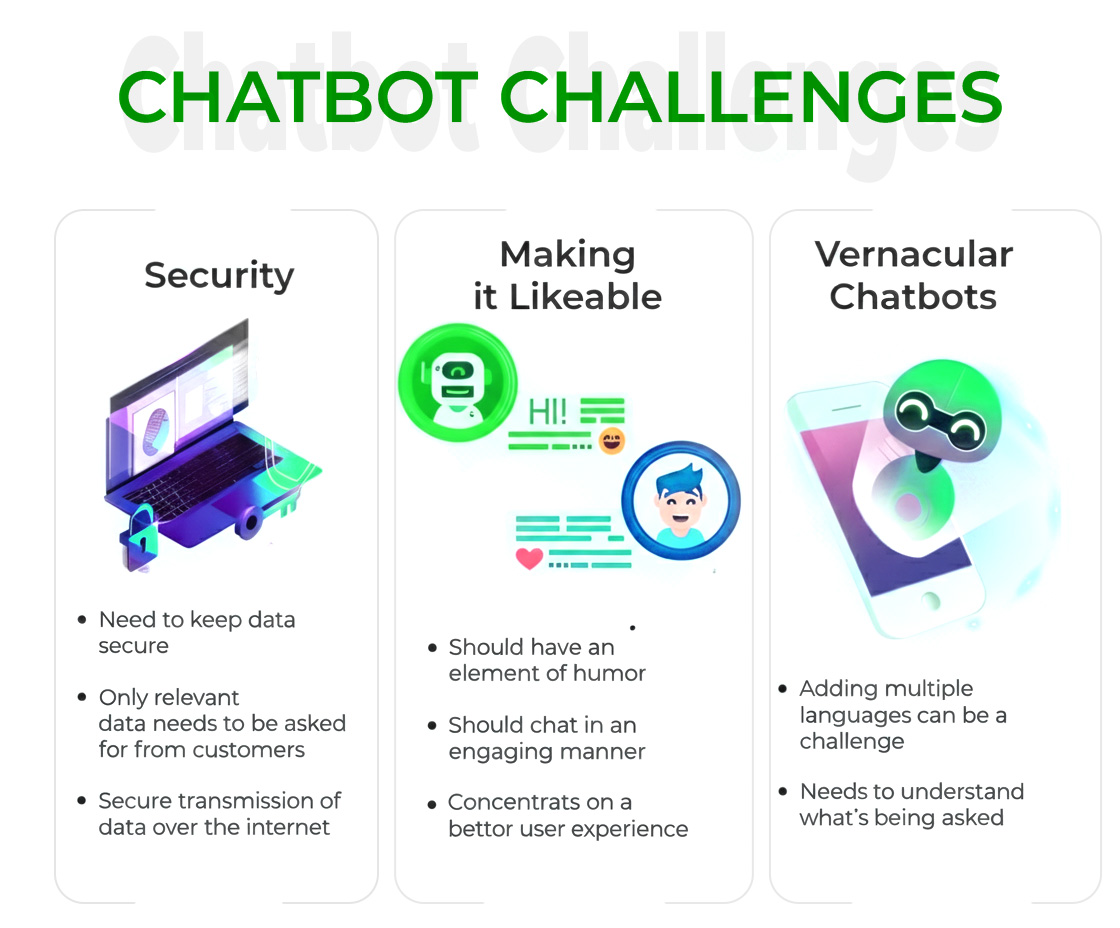
While chatbots offer significant benefits, they also come with challenges. Poorly designed bots frustrate users, provide irrelevant responses, or fail to understand intent. This happens when businesses deploy chatbots without planning, training data, or clear goals. The biggest risk isn’t using chatbots; it’s using them badly.
One common issue is over-automation. When companies expect bots to handle everything, the experience becomes robotic. Human escalation must remain part of the journey. Another issue is conversational flow complexity. If questions lead to dead ends, users lose trust.
To overcome these challenges, several best practices help:
- Prioritize clarity — Your chatbot should give straightforward answers.
- Keep tone human — Use warm, conversational language.
- Update regularly — Refresh scripts as products, offers, and customer needs evolve.
- Track analytics — Review drop-off points, satisfaction scores, and conversion paths.
- Test across devices — Ensure consistency on mobile, desktop, and messaging apps.
Finally, integrate your chatbot with your CRM and automation tools. This allows you to create conversational funnels, trigger personalized journeys, and ensure consistent experiences. When done right, chatbots become trusted digital assistants that improve efficiency, reduce workload, and elevate your brand’s perception.
The Future of AI Chatbots in Marketing
The future of AI chatbots in marketing goes far beyond simple automation. As AI models grow smarter, chatbots will understand sentiment more accurately, offer proactive suggestions, and handle increasingly complex scenarios. Instead of waiting for users to initiate contact, AI will engage visitors based on their behavior, time spent on the page, or browsing patterns.
We’re also moving toward hyper-personalization. Chatbots will analyze browsing data, purchase history, and demographics to deliver tailored experiences with remarkable precision. For marketers, this means smarter recommendations, higher conversions, and deeper customer loyalty. Voice-enabled chatbots are another emerging frontier. As users become comfortable interacting with voice assistants, marketing chatbots will expand beyond text-based interactions to offer hands-free, conversational experiences.
Integrations with analytics tools and marketing tech stack platforms will also grow stronger. This will allow businesses to build unified funnels where chatbots, CRMs, email systems, and advertising platforms work together automatically. In the long run, chatbots won’t just support campaigns; they’ll help create them. By analyzing performance data, AI tools will recommend content marketing ideas, audience segments, and even promotional strategies. The businesses that embrace these innovations early will enjoy faster growth, more efficient workflows, and a significant competitive edge.
Conclusion: The Shift to Smarter, Conversational Marketing
AI chatbots are no longer experimental tools—they’re becoming core elements of modern marketing. As customer expectations rise and attention spans shrink, brands that rely only on forms, manual replies, or slow support systems lose opportunities they could easily convert. Chatbots change that. They streamline touchpoints, shorten decision cycles, answer questions instantly, and nurture users through conversational funnels that feel natural instead of forced.
Whether your goal is improving customer experience, reducing response time, capturing more leads, or tightening your marketing tech stack, AI chatbots give you a way to automate without losing the human touch. They meet visitors where they are, guide them through the next step, and keep your pipeline active even when your team is offline. Businesses adopting this shift early enjoy stronger engagement, higher-qualified leads, and better ROI as automation takes over repetitive tasks.
Stop Losing Visitors. Start Engaging Them
Every unanswered question is a missed lead. eSign Web Services designs AI-powered chatbots that guide, nurture, and convert prospects in real time. Get a FREE personalized chatbot strategy and turn your website into a nonstop engagement engine.
Frequently Asked Questions
Question: Are AI chatbots only useful for large enterprises?
Answer: No. AI chatbots are highly effective for small and medium-sized businesses as well. They provide instant responses, capture leads, and offer 24/7 support without requiring a large team or high overhead costs. Even a simple chatbot focused on answering the most common customer questions can significantly improve response times, customer satisfaction, and lead capture, making them a practical and scalable solution for businesses of any size.
Question: Will a chatbot replace my human sales or support team?
Answer: No. A chatbot is designed to support your team, not replace it. It handles repetitive tasks like answering FAQs, collecting contact details, and qualifying leads through a website chat widget. This allows your sales and support staff to focus on higher-value conversations that require human judgment, empathy, and expertise. The result is improved efficiency, faster response times, and better use of your team’s skills.
Question: How can I tell if my chatbot is actually generating ROI?
Answer: You can measure chatbot ROI by tracking conversions, bookings, qualified enquiries, and revenue generated from chatbot interactions. A well-built system includes automated lead qualification and proper analytics, allowing you to compare chatbot performance against other marketing channels. By monitoring cost per lead, conversion rates, and pipeline contribution, you gain a clear understanding of whether the chatbot is driving measurable business value.
Question: What do I need in place before launching an AI chatbot?
Answer: Before launching, you need clearly defined goals, a list of common customer questions, and basic tracking tools. Understanding what actions you want users to take helps shape the chatbot’s flow. Integrating the chatbot with your CRM or email platform is also important, as it enables seamless lead capture and follow-up. These foundations ensure your chatbot supports structured conversational funnels instead of isolated interactions.
Question: Where should I place a chatbot on my website for the best results?
Answer: Chatbots perform best on high-intent pages such as your homepage, service pages, pricing pages, and contact pages. These are areas where visitors are most likely to ask questions or convert. Using behavior-based triggers helps the chatbot appear at the right moment rather than interrupting users. Strategic placement ensures the chatbot supports decision-making and contributes effectively to lead generation and nurturing.
Question: Can AI chatbots handle multiple languages for international customers?
Answer: Yes. Many AI chatbots can automatically detect a visitor’s language or allow users to select their preferred language. This makes them ideal for businesses serving international audiences. You can create tailored responses for different regions while keeping everything connected to the same marketing and CRM systems. This approach maintains consistent messaging, improves accessibility, and ensures smooth coordination across your entire marketing tech stack.
Question: How long does it take to set up a marketing-focused chatbot?
Answer: A basic marketing chatbot can be set up in a few days to a couple of weeks, depending on complexity. More advanced chatbots take longer due to integrations, custom logic, and testing requirements. However, launch is only the beginning. Ongoing optimization—based on user behavior, conversation data, and performance metrics—is where chatbots deliver the most value through improved conversational funnels and higher conversions.
Question: What mistakes should I avoid when launching an AI chatbot?
Answer: Common mistakes include trying to make the chatbot sound overly human, creating too many conversation branches early on, and failing to track performance. Another major issue is launching the chatbot and never updating it. Regular optimization is essential to prevent dead ends and poor user experiences. A chatbot should be clear, purposeful, and data-driven to remain effective over time.
Question: Do AI chatbots work well with paid campaigns like Google Ads or social ads?
Answer: Yes. AI chatbots pair extremely well with paid campaigns. When paid traffic lands on a page with a chatbot, it can instantly engage visitors, answer objections, and capture lead information. Automated lead qualification ensures only high-quality prospects move forward. This improves conversion rates, reduces wasted ad spend, and increases the overall performance and ROI of paid marketing campaigns.
Question: Can chatbots nurture leads after the initial conversation?
Answer: Absolutely. Chatbots can be used for ongoing lead nurturing through chatbot drip campaigns. Based on previous responses and user behavior, they can follow up with helpful resources, reminders, or booking prompts. This keeps prospects engaged even after they leave your website. When combined with email or CRM integrations, chatbots create consistent, personalized nurturing experiences that guide leads toward conversion.
Author Details

Ashwani Kumar Sharma
Ashwani has been actively involved in SEO services since 2005. His expertise and distinctive work approaches have made him one of the most experienced and trusted SEO experts in the industry. He is a certified SEO and Google Ads professional. He also has strong business development skills in advanced SEO, PPC, and digital marketing strategies.


