



The SERP Zero-Click Era: How to Win Visibility Without Website Clicks

Key Takeaways
- Zero-click searches are rapidly increasing due to AI-generated answers, featured snippets, and users preferring instant solutions.
- Ranking is no longer enough, brands must optimize for on-SERP presence and recognition to stay competitive.
- Traditional traffic metrics are outdated; SEO success now includes impression share, branded search lift, and snippet ownership.
- Winning SERP visibility without clicks requires mastering structured data, concise content formatting, and entity SEO.
- The best zero-click SEO strategy combines intent-mapped content with AI search visibility tactics and citation-friendly formatting.
- Brands that lean into Generative Engine Optimization (GEO) will lead in voice search, AI overviews, and trust-based visibility signals.
SEO used to feel straightforward. Rank higher, get more clicks, grow traffic. But today, that formula doesn’t always hold. You can sit comfortably on page one and still watch engagement plateau. Not because your content is weak. Not because your offer is wrong. But because the search experience itself has changed, and zero-click searches are a big reason why.
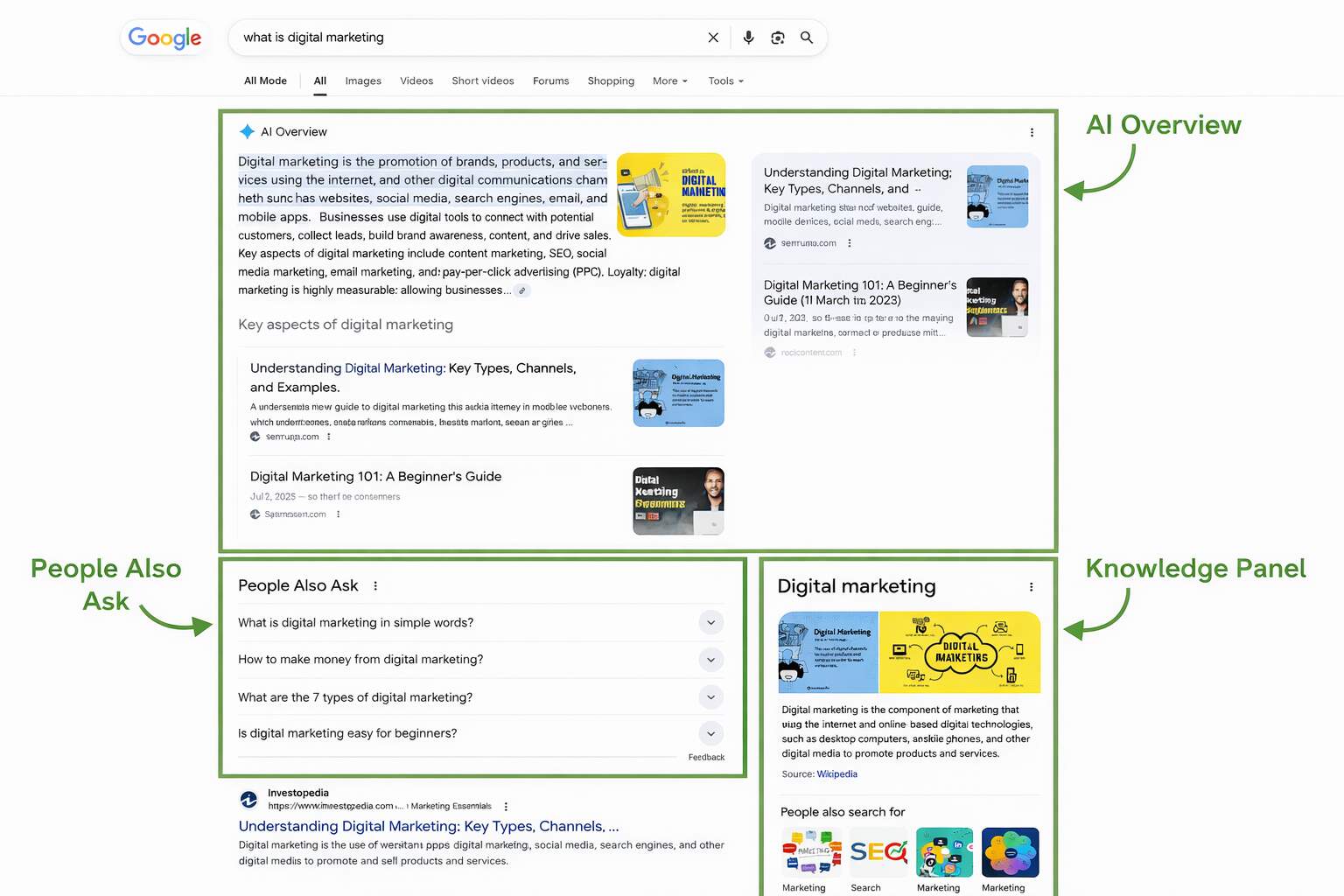
Google now answers questions directly on the results page. Users scan summaries, expand People Also Ask boxes, compare products in rich results, and check maps before they ever consider clicking a link. That shift changes what success looks like. It’s no longer only about chasing visits; it’s about earning SERP visibility without clicks and showing up at the exact moment decisions are made.
Instead of focusing only on traffic, smart brands are focusing on visibility, authority, and influence within the SERP itself. Being cited in AI Overviews, winning featured snippets, and owning high-intent question boxes builds trust and recognition even when the user doesn’t land on your site. In many categories, the brands that control these placements shape perception first, and perception drives future action.
This shift requires a different strategy and different metrics. In this guide, we’ll break down what’s changing, why zero-click searches are accelerating, and how to build an SEO approach that improves SERP visibility without clicks while still supporting leads, revenue, and long-term growth.
What Is the Zero-Click SERP Era?
The term zero-click searches refers to search queries where the user does not click on any of the traditional blue links. Instead, they find the answer right on the search engine results page via SERP features such as featured snippets, knowledge panels, People Also Ask (PAA) sections, and AI overviews. These tools provide immediate value to the user; no extra steps required. While it might seem like a problem for websites, it actually creates new opportunities.
The key shift is understanding that visibility and influence do not require a website visit. Appearing in a featured snippet or being cited in an AI summary means your brand is helping users solve their problems. It’s about brand visibility in SERPs, not just CTR. These zero-click placements build authority, trust, and memory; assets that compound over time. Your brand is seen where decisions start, even if the click doesn’t follow.
Imagine a user looking up “how to choose the best CRM.” If your answer appears in a snippet, even without a click, you’ve entered the consideration phase. Later, that user might search your brand by name or return via another channel. Visibility becomes an early touchpoint. That’s why a robust search visibility strategy must include zero-click elements; it’s about being seen, cited, and remembered.
Why Zero-Click Searches Are Accelerating
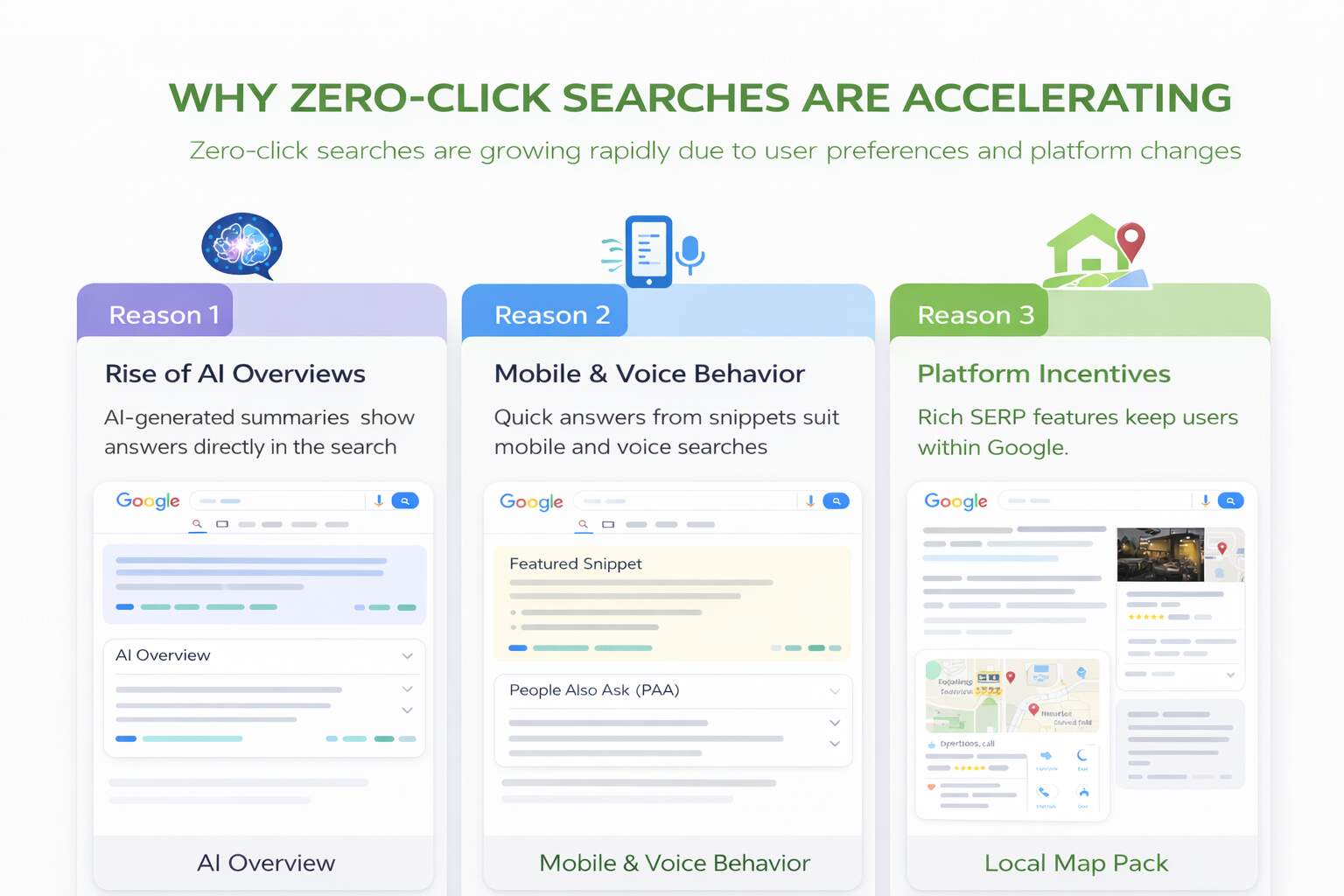
Reason 1: Rise of Google AI Overviews
Google’s launch of AI overviews marks a pivotal change in how results are delivered. These overviews pull together multiple data points to generate a single, summarized response shown directly in the SERP. This format provides immediate clarity to users and reduces the need for them to click through to a website. It’s all about speed and convenience, especially for users with transactional or informational intent.
Reason 2: Mobile-First and Voice-Driven Behavior
The rise in mobile usage and voice searches is another core driver. Users prefer quick, digestible answers over lengthy site exploration. Voice assistants like Siri and Google Assistant often read back results from featured snippets, satisfying the query entirely on the SERP. This preference for frictionless search experiences continues to drive zero-click trends upward.
Reason 3: Platform Incentives to Retain Users
Google has a business incentive to keep users on the SERP. The longer users stay, the more ads they see, and the more likely they are to interact with platform-native features. Reducing outbound traffic increases monetization opportunities. This shift in the incentive structure has led to richer SERPs that answer queries in-platform rather than divert traffic.
Zero-Click SERPs: The SEO Shift
✅ Organic CTR Is Plummeting
According to a 2023 Semrush study, only 28.5% of desktop and 17.3% of mobile searches result in clicks (source). This means the majority of user intent is now fulfilled on the results page itself. Visual features like AI summaries, snippets, video previews, and “People Also Ask” are taking over the prime real estate; often above the traditional links. Ranking on page one? Not enough anymore. If you’re not seen, you’re not in the game.
✅ From Traffic Goals → Visibility Goals
Marketers once obsessed over page visits and rankings. Today, smart brands are shifting their KPIs. The zero-click SEO strategy emphasizes influence, visibility, and recall; even without interaction. If your brand appears in a featured snippet, users associate your name with expertise. You might not get a visit, but you’re definitely remembered. These micro-impressions translate into long-term brand trust and future clicks.
✅ SEO = Search Influence Engineering
We’re entering the era of SERP storytelling. It’s no longer about ranking high; it’s about showing up smart. Are you visible where trust is built? Do users see your brand as authoritative at first glance? Early adopters are designing content not just to rank, but to influence behavior within the SERP itself. Think snippet-ready, AI-readable, brand-forward content.
New SEO KPIs That Matter in Zero-Click Era
| KPI | What It Measures | Tool to Track |
| SERP Impressions & Pixel Share | Visibility across SERP features (even without clicks) | Google Search Console, Semrush |
| Featured Snippet / PAA Wins | Answer-level authority & extractability | Semrush, Ahrefs, Moz |
| Branded Search Volume | Recall, top-of-mind awareness | Google Trends, GSC |
| AI Citations in Overviews | Trust from search engines (GEO impact) | Manual checks, AI snippet tools |
| Assisted Conversions | Influence on multi-step user journeys | Google Analytics, CRM systems |
Search visibility today goes far beyond simple clicks and page visits. In a zero-click landscape, the brands that win are the ones that show up consistently across SERP features and build recognition before the user ever lands on their site. By tracking modern SEO KPIs like impressions, snippet ownership, and branded search growth, businesses can better understand their true influence in search and make smarter decisions about where their visibility is actually driving value.
What Does This Look Like in Practice?
Let’s say your blog doesn’t get more traffic this month; but your page gets picked up in a featured snippet and branded search volume goes up. That’s a win. The goal is to shape understanding before the user even clicks. That’s real influence.
Strategy 1: Engineer Content for Featured Snippets & PAA
Want to appear above your competitors; even without a click? You’ll need to think like Google’s extraction algorithm. Snippets and People Also Ask (PAA) boxes reward structured, scannable, answer-first content that’s easy to understand and even easier to pull into the SERP.
Make Your Content Snippet-Ready
Here’s a quick checklist for featured snippet formatting:
- Start with a direct answer in the first 2 lines
- Use ordered lists for how-to and process topics
- Add definition-style sections using “What is X” or “How does X work?”
- Include quick tables or comparison blocks when relevant
Example: What is a heatmap?
A heatmap is a visual representation of user behavior on a website that shows areas of high and low interaction using color gradients.
Follow it up with more context or examples. Keep your snippet answer under 55 words—that’s the sweet spot for pull-through.
Winning the People Also Ask (PAA) Box
- Turn subheadings into question-style H2s or H3s (“How does schema markup help SEO?”)
- Write short, focused answers (aim for 40–60 words)
- Use neutral, fact-based language (no hype, no fluff)
Strategy 2: Win AI Answer Visibility (Google AI Overviews)
Want to be the source of AI answers trust? Then your content needs to be clean, neutral, structured, and citation-worthy. AI Overviews don’t just summarise; they synthesise from the sources they deem most reliable and complete. Your goal is to be one of them.
AI-Citation Optimization Principles
To increase your chances of being included in Google AI overviews, focus on these 4 key elements:
- Topical Depth: Go beyond surface-level answers. Provide full context around the query, including supporting stats, definitions, and subtopics.
- Factual Tone: Use clear, neutral language. Avoid fluff, hype, or salesy phrasing; AI filters that out.
- Source Integrity: Back claims with primary sources. Include links, citations, and author bios to boost content credibility.
- Structured Formatting: Use short paragraphs, bullet points, and hierarchical subheads (H2/H3) to help AI parse your content better.
Trust Signals That Matter
Here’s what builds your content’s AI eligibility:
- Author name and bio on blog pages
- Last updated timestamps
- Internal link structure to related topics
- Outbound links to reputable external sources
- Schema markup (e.g., FAQPage, Article)
Strategy 3: Strengthen Brand & Entity Signals
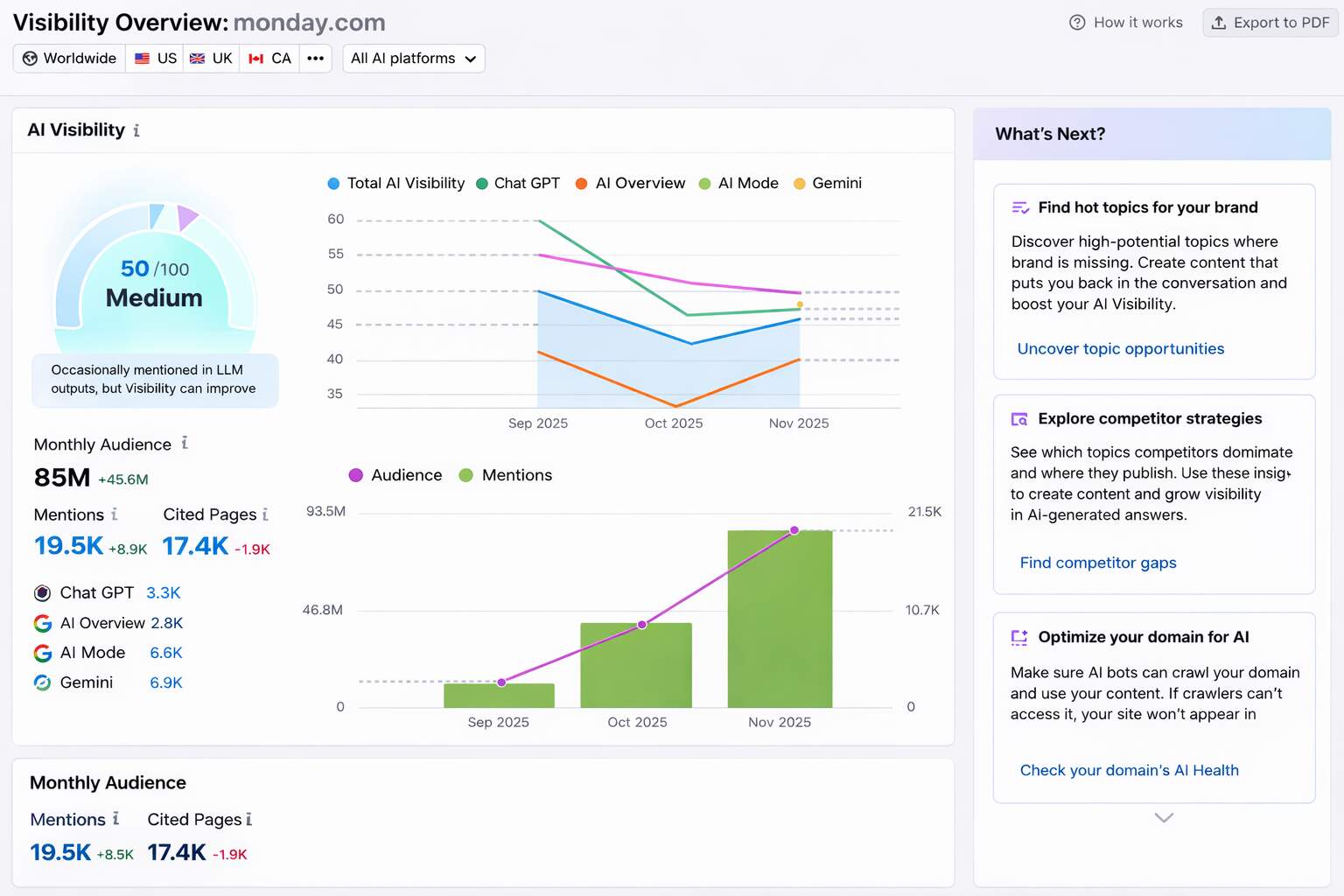
Search engines don’t just rank pages; they recognize entities. In the zero-click era, visibility isn’t just about content quality; it’s about how clearly your brand is identified, understood, and trusted by Google’s Knowledge Graph and AI models.
Do you wonders What Are Entity Signals? Let’s cear the air; Entities are recognized “things” in Google’s system; like a company, product, location, or person. The more consistently your business is represented online, the more confidently AI can cite you in zero-click searches.
Here’s what that looks like:
- Your brand is mentioned (and linked) across trusted sites.
- Your Google Business Profile (GBP) matches your website and social bios.
- You use structured data (schema) to declare who you are and what you offer.
- You appear in relevant directories and content mentions (with consistent NAP)
Entity SEO Optimization Checklist
| Area | What To Do |
| Google Business Profile | Ensure full setup with correct name, address, phone, and hours |
| Website Schema | Use Organization, LocalBusiness, and SameAs markup |
| Social + Directory Links | Keep business details identical across all platforms |
| Internal Linking | Consistently reference brand/entity on key pages |
| Mentions on External Sites | Earn citations on niche-relevant, authoritative sources |
Strategy 4: Leverage On-SERP Assets That Convert Without Clicks
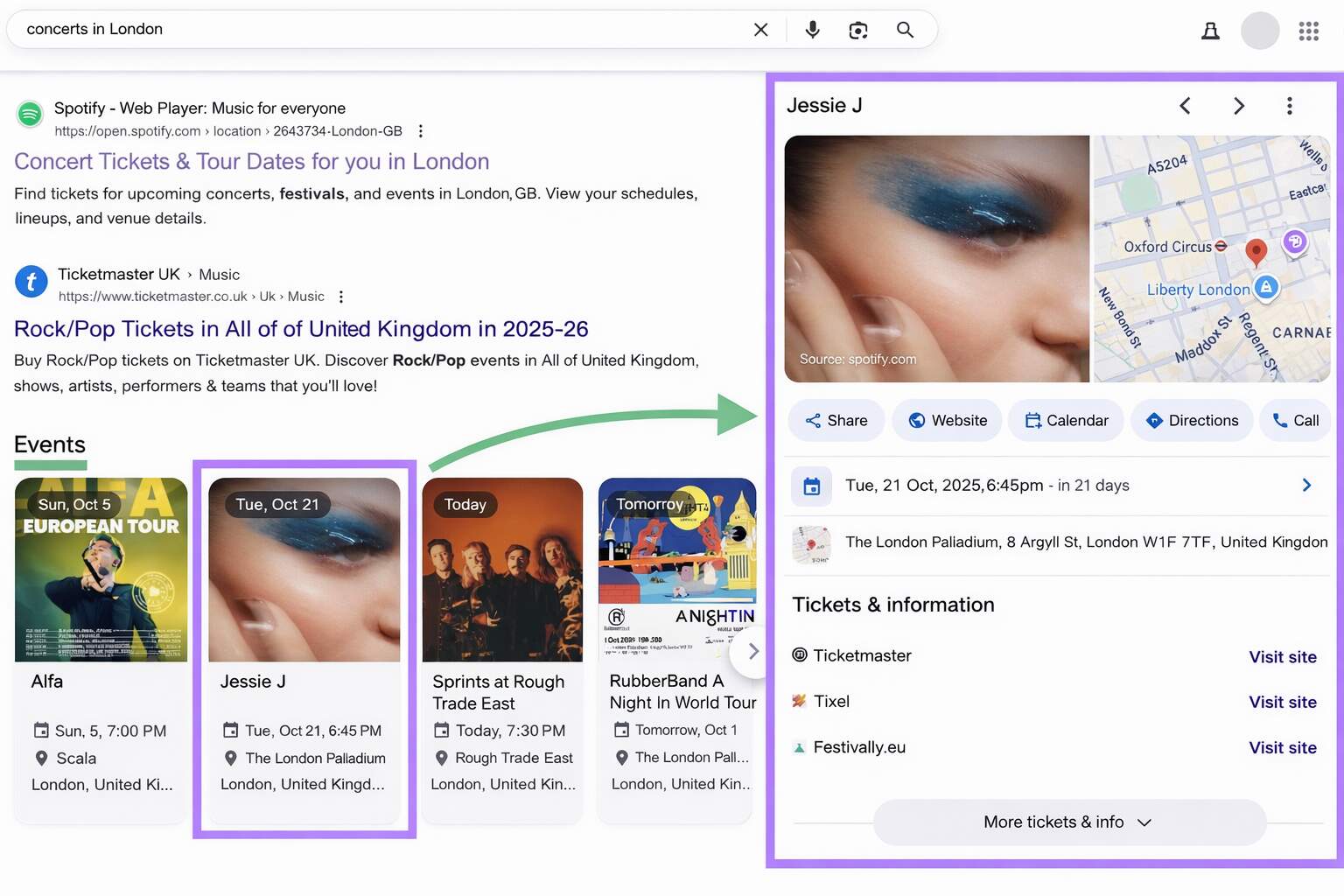
The traditional website visit is no longer the only conversion path. In the age of zero-click searches, many interactions that once happened on a landing page now occur directly on the SERP; through business listings, call buttons, reviews, and map results. This means your website isn’t your only digital storefront. Google is.
Take Google Business Profile, for example. When optimized well, it becomes a powerful decision-making hub. A potential customer searching for a service in their area will likely see your GBP before ever seeing your homepage. If your listing has high ratings, updated images, accurate hours, and a few helpful Q&As, that alone may be enough to trigger a call or in-store visit; no website needed. That’s a zero-click conversion in action.
Similarly, Map Pack visibility plays a huge role for local and service-based businesses. Appearing in the top 3 map results for your category not only drives direction requests and phone calls, but also builds trust through proximity and peer validation. These aren’t vanity placements; they’re highly valuable touchpoints. Optimizing your presence here isn’t just about rankings; it’s about reputation and readiness. In zero-click environments, the most complete and compelling listing often wins the lead without ever needing a visit.
Strategy 5: Use SERP-Native Content Formats
Some content formats naturally perform better in the zero-click environment; not because they rank higher, but because they’re easier for Google and AI to extract, understand, and display. These “SERP-native” formats are designed to match how users consume answers today: quickly, visually, and in clearly segmented chunks. Adapting your content to these formats doesn’t just improve SEO; it increases the chances of appearing in snippets, overviews, and even voice results.
Think about how Google parses information. It’s not scanning for flair; it’s scanning for structure. A glossary-style definition, a concise FAQ, or a short comparative summary gives the algorithm exactly what it needs. Unlike long-form essays, these formats provide search engines with clear entry points and clean exits. They help the system break your content into logical answers, which can then be placed inside zero-click SERP features.
Using instructional frameworks, side-by-side comparisons, and question-based subheadings doesn’t just help the algorithm; it also allows the user. When your page is easier to scan, easier to understand, and faster to digest, it earns more attention; even if the click never happens. In a world where people want answers, not articles, the best-performing content is that which looks like an answer from the start. It’s not about simplifying your thinking; it’s about sharpening your delivery.
SEO + GEO: Search’s New Duo
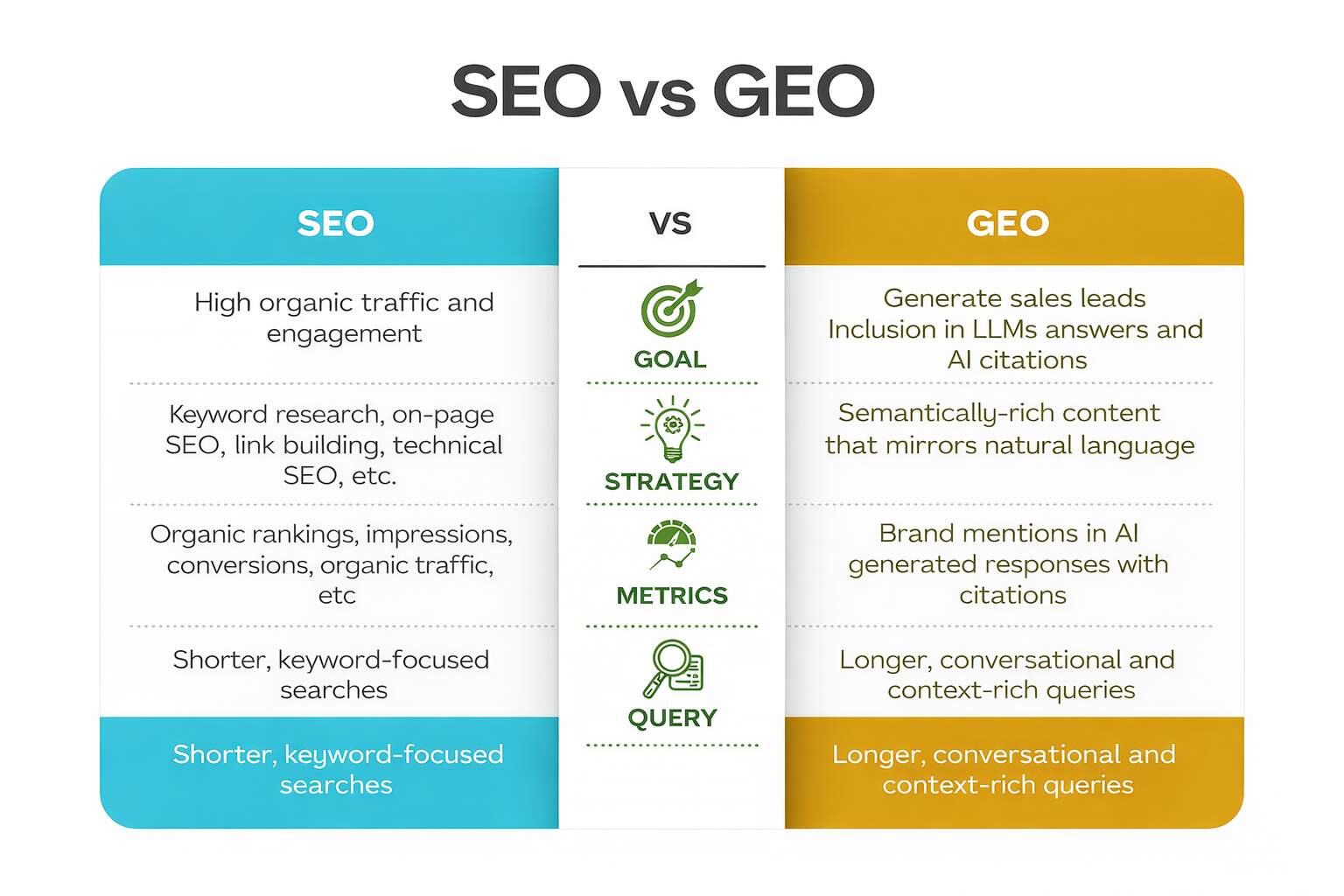
To thrive in the zero-click landscape, it’s no longer enough to simply rank; you need to be referenced, quoted, and recognized by AI-driven search systems. Traditional SEO focuses on making your content discoverable through keywords, technical optimization, and on-page elements. But in today’s generative SERPs, visibility without context isn’t enough. That’s where GEO; Generative Engine Optimization; comes into play.
GEO focuses on making your content includable in AI summaries, featured overviews, and rich search features. While SEO helps you show up in the rankings, GEO enables you to become the voice behind the answer. Together, they form a compound strategy for dominating search real estate; even when the user never clicks.
Here’s how SEO and GEO work hand in hand:
- SEO ensures your content ranks in the top results by optimizing for intent, structure, and relevance.
- GEO makes sure your content is formatted, cited, and structured so AI can easily summarize or extract it.
- SEO builds discoverability through long-tail keywords, schema markup, and technical health.
- GEO builds credibility by strengthening your brand’s entity signals and citation potential across the web.
When combined, this dual strategy helps you win both the algorithmic game and the AI inclusion game. You’re not just on the page; you’re part of the answer. That’s the ultimate form of SERP visibility without clicks in the era of zero-click dominance.
Strategic Mistakes in the Zero-Click Era
Adapting to the zero-click landscape requires more than just awareness; it requires unlearning outdated tactics. Many businesses still apply old-school SEO logic to a new SERP reality. They focus on driving traffic at any cost, assuming that no click means no opportunity. That’s a dangerous misconception.
Here are some of the most common mistakes brands make when navigating zero-click environments:
- Measuring only by traffic: If your entire SEO report revolves around sessions and clicks, you’re missing the bigger picture. Visibility, mentions, and pixel presence are just as critical today.
- Ignoring SERP features: Featured snippets, AI overviews, local packs, and People Also Ask boxes are where user attention is concentrated. If you’re not optimizing for these, you’re invisible in all the right places.
- Overwriting instead of extracting: Long-form content still has value, but if there are no extractable summaries, lists, or direct answers within, it won’t get picked up by search features; or AI.
- Treating SEO as a siloed function: Modern SEO intersects with PR, brand, UX, and AI readiness. Brands that isolate SEO from content or design teams lose cohesion; and visibility.
- Neglecting brand consistency across platforms: If your business info, tone, and visuals vary across your website, Google Business Profile, and social media, you’re weakening your eligibility for zero-click SEO.
The Final Note
The zero-click era isn’t just a shift in search behavior; it’s a rewrite of the entire visibility playbook. We’re now in a world where being seen matters just as much as being clicked. And for forward-thinking brands, that’s a massive opportunity.
When your answers appear in AI overviews, when your brand surfaces in snippets and summaries, when your profile gets chosen over your homepage; that’s not a loss of traffic. That’s a win in trust. Influence precedes conversion. Visibility drives memory. And brands that are remembered are the ones that get chosen when it counts.
So what’s the real takeaway? SEO isn’t dying. It’s diversifying. And the businesses that adapt their strategies to focus on both presence and persuasion; whether through structured content, entity authority, or AI-friendly formatting; will own the next era of search.
Ready to shift your strategy ?
Let eSign Web Services help you dominate the new SERP. We build integrated SEO + GEO strategies that position your brand not just on the page; but in the answer. Get in touch with our team today and stay visible; even when users don’t click.
Frequently Asked Questions (FAQs)
Question: What does “zero-click search” actually mean for businesses?
Answer: Zero-click search means users get answers directly on the search results page without visiting a website. For businesses, this shifts value from traffic to visibility and influence. Your brand can shape understanding, build trust, and stay top-of-mind even when users never click. Instead of measuring success only by visits, businesses must consider how often and where they appear in snippets, summaries, and AI-driven results.
Question: Why are zero-click searches increasing so quickly?
Answer: Zero-click searches are increasing because search engines prioritize speed and convenience. Features like featured snippets, AI overviews, and knowledge panels resolve intent instantly. Mobile usage accelerates this trend, as users prefer immediate answers over deeper exploration. Search engines are optimizing for user satisfaction, not publisher traffic, which naturally reduces clicks while increasing SERP-level consumption of information.
Question: Does zero-click search mean SEO is becoming irrelevant?
Answer: No. SEO is evolving, not disappearing. Traditional rankings still matter, but visibility now extends beyond clicks. SEO must account for how content is extracted, summarized, and displayed in SERP features. Businesses that optimize only for rankings miss opportunities to influence users earlier. Modern SEO balances discoverability, extractability, and brand presence across search experiences, including zero-click environments.
Question: How can brands benefit if users never visit their website?
Answer: Brands benefit through recognition, trust, and familiarity. Repeated exposure in SERP features positions a brand as a reliable source. This often leads to branded searches, direct visits later, or offline decisions influenced by prior search exposure. Zero-click visibility acts as early-stage marketing, shaping perception before users are ready to engage directly with a website.
Question: What type of content performs best in zero-click SERPs?
Answer: Content that performs best is clear, structured, and explanatory. Definitions, concise explanations, comparisons, FAQs, and step-by-step logic are easier for search engines to extract. Neutral, informative content tends to outperform promotional writing. Pages that answer questions directly while maintaining topical depth are more likely to appear in snippets, summaries, and AI-generated responses.
Question: How should businesses measure success in a zero-click environment?
Answer: Success should be measured beyond traffic. Key indicators include visibility across SERP features, growth in branded searches, assisted conversions, and engagement quality from users who do click. These signals reflect influence rather than immediate visits. Businesses should also monitor how often their content appears in featured snippets or AI summaries, even if clicks remain flat.
Question: Are zero-click searches bad for lead generation?
Answer: Not necessarily. While informational traffic may decline, users who do click often arrive more informed and intentional. Zero-click exposure can pre-qualify users, reducing friction later. For many businesses, this results in fewer but higher-quality leads. The key is understanding that influence happens earlier, even if conversions occur later through different channels.
Question: How does AI-generated search affect zero-click behavior?
Answer: AI-generated search accelerates zero-click behavior by summarizing information from multiple sources into one response. This reduces the need to explore individual websites. However, it increases competition for inclusion. Content that is clear, authoritative, and well-structured is more likely to be referenced. AI search rewards sources that reduce ambiguity and explain topics confidently.
Question: What mistakes do businesses make when adapting to zero-click search?
Answer: Common mistakes include focusing only on rankings, ignoring SERP features, writing content purely for clicks, and neglecting brand consistency. Many businesses also misjudge success by traffic alone, missing influence happening without visits. Another mistake is publishing thin content that cannot be summarized effectively, making it invisible in answer-driven search results.
Question: How should businesses rethink search strategy for the future?
Answer: Businesses should treat SERPs as a primary touchpoint, not just a gateway. Content must be designed for extraction, clarity, and trust. Search strategy should balance traffic goals with visibility and influence. As search continues evolving toward answers and summaries, long-term success will depend on being a trusted source that search engines confidently surface—whether or not users click.
Author Details

Ashwani Kumar Sharma
Ashwani has been actively involved in SEO services since 2005. His expertise and distinctive work approaches have made him one of the most experienced and trusted SEO experts in the industry. He is a certified SEO and Google Ads professional. He also has strong business development skills in advanced SEO, PPC, and digital marketing strategies.


