



7 Remarketing Strategies That Actually Convert

Key Takeaways
- Segment audiences by behavior and timing to run remarketing strategies that convert, not waste budget.
- Match creative to user intent across funnel stages for stronger remarketing strategies for higher conversions.
- Control ad frequency and duration to prevent fatigue using smart frequency capping in remarketing.
- Re-engage warm leads with dynamic product retargeting and personalized abandoned cart campaigns for better ROI.
- Build cross-channel remarketing funnels to reinforce messaging across search, social, video, and email platforms.
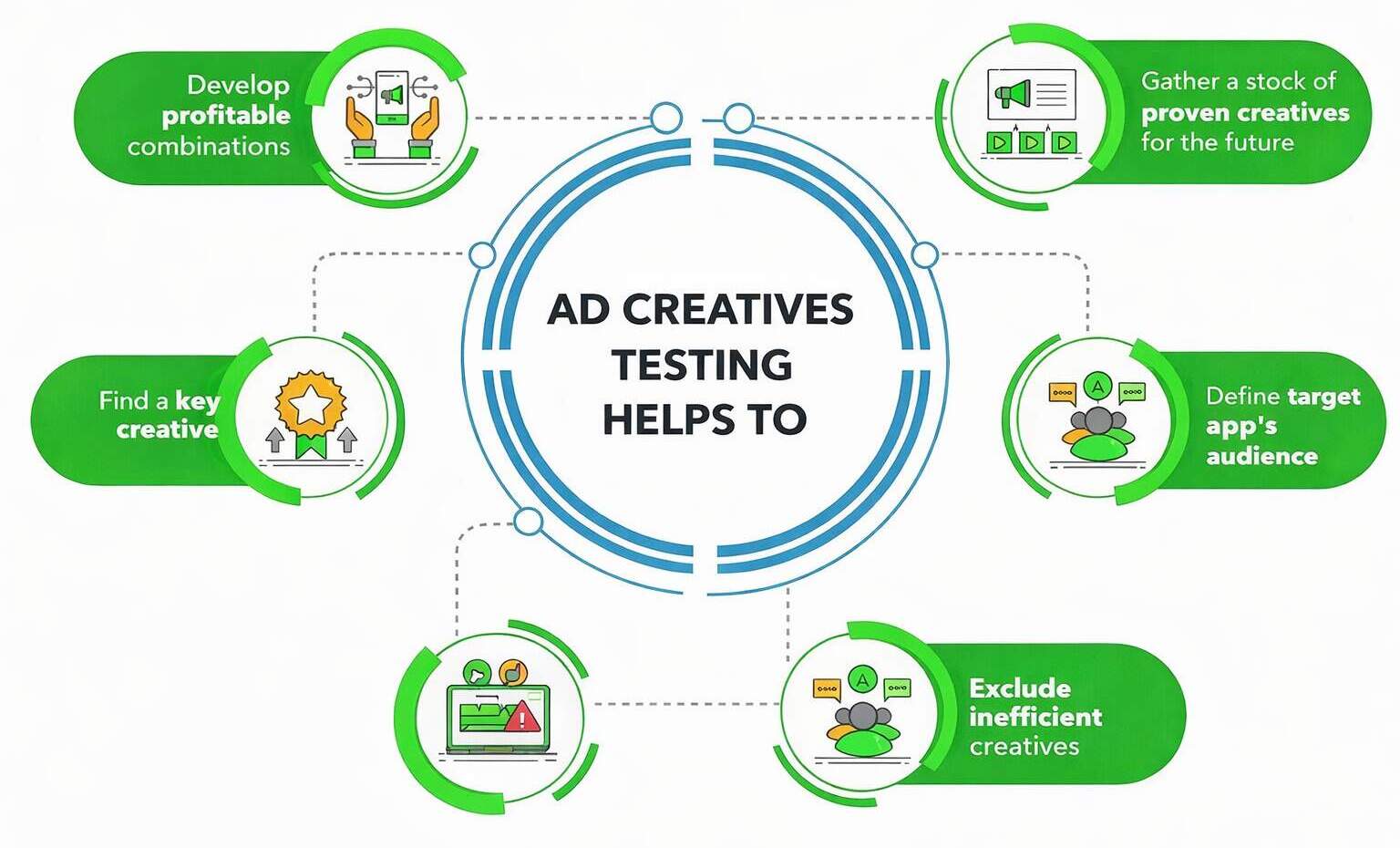
- Test creatives, offers, and audiences regularly to learn how to improve remarketing performance over time.
Most small businesses treat remarketing like a boomerang: throw an ad out there and pray it comes back with someone clicking to buy it. Unfortunately, it doesn’t work that way. You can’t just shout “Hey, remember us?” and expect someone to click. Without context, significance, and timeliness, remarketing is more of an irritant than an effective ad promotion technique. No wonder so many marketers think it’s overrated when it turns out they have a strategy problem, but not a platform problem.
Done right, remarketing strategies that convert are about precision. You’re not casting a wide net hoping to catch cold leads. You’re reconnecting with people who already showed interest and just need the right message to move forward. Consider it a smart follow-up, not digital stalking. Your leads may have abandoned a cart or clicked your demo page, or binged on your blog already; that’s a signal for you. The trick is to match those signals with messaging that resonates.
This article explores seven practical strategies to turn wasteful retargeting into high-performing campaigns. You’ll discover how to segment your audience by behavior, apply a remarketing strategy to drive higher conversions, and avoid common traps like ad fatigue and poor creative. We’ll also cover how to improve retargeting performance using smarter visuals, dynamic product retargeting, and consistent messaging across channels. If you’re a startup, agency, or in-house marketer ready to scale smarter, these are the plays you’ll want in your arsenal.
Why Most Remarketing Fails Before It Starts
The biggest problem with remarketing isn’t technical; it’s strategic. Too many brands simply target “All Website Visitors” and call it a day. That means someone who leaves the website after 3 seconds is treated the same as someone who nearly converts. When you send the same generic ad to both, you’re basically guessing. Guesswork doesn’t convert; it wastes budget and makes your brand forgettable fast.
Next up is frequency overload. If someone sees your ad ten times a day for three weeks straight, you’re not being persistent; you’re being annoying. Without frequency capping in remarketing, campaigns silently destroy your goodwill. People stop paying attention and start blocking, muting, or ignoring you altogether. That kind of impression waste adds up quickly, especially for retargeting campaigns for small businesses with limited spend.
Then there’s the creative itself. Too many ads are just clear nudges like “Still thinking about us?” But why should they? A good remarketing strategy for higher conversions answers that question with real value. Highlight a new benefit. Address objections. Offer clarity or urgency. Whether it’s a stronger CTA, a trust signal, or a limited-time offer, every impression should earn its place. Otherwise, you’re just reminding people why they ignored you past the first time.
Strategy 1: Segment by Intent; Not Just Visits
Most remarketing fails because brands treat every visitor as if they share the same intent. They don’t. Someone who skimmed a blog post and someone who abandoned a checkout page are not equal prospects. When you ignore intent and run ads to “all visitors,” you’re not remarketing; you’re guessing. High-performing remarketing strategies that convert start by understanding why someone visited, not just that they did.
- Segment audiences by behavior, not traffic volume: Group users based on actions like blog engagement, service page views, pricing visits, or cart abandonment.
- Map intent levels to the buyer journey: Different behaviors signal different stages, requiring education for cold users and urgency for high-intent visitors.
- Apply time-based segmentation for momentum: Recent visitors need immediate, decisive messaging, while older audiences respond better to value-driven reminders.
- Exclude low-value and irrelevant users: Remove converters, job seekers, irrelevant locations, and bounce-heavy traffic to prevent wasted remarketing spend.
- Treat segmentation as a foundation, not an add-on: Effective audience segmentation for remarketing is the core driver of strategies for higher conversions.
Remarketing works when it feels intentional, not random. Segmenting by intent turns retargeting from noisy repetition into a focused follow-up. When you align behavior, timing, and messaging, you stop chasing clicks and start converting interest into action. That’s the difference between spending on ads and building remarketing that actually performs.
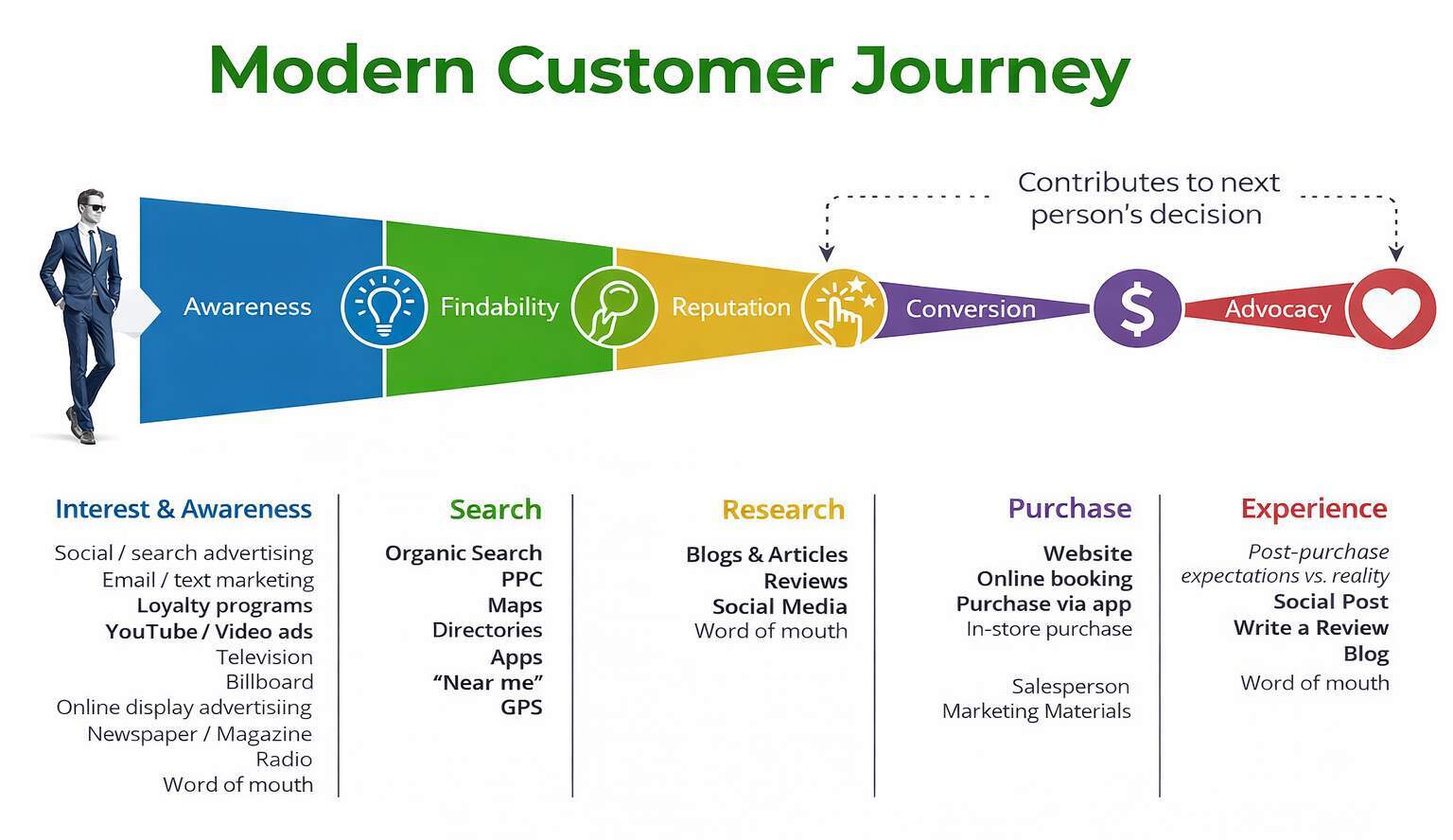
Strategy 2: Match Creatives to the Customer Journey
One of the most common remarketing misfires? Serving the same ad to everyone. A blog reader who skimmed your content last week isn’t in the same headspace as someone who just abandoned their cart five minutes ago. When you don’t match the creative to the intent, even well-funded campaigns fall flat. Smart remarketing strategies that convert recognize that buyers are on a journey, and each touchpoint needs to meet them where they are. Generic reminders don’t close the deal. Precision messaging does.
For top-of-funnel users, those who browsed blog content or visited general pages, ads should focus on value and trust-building. Share a helpful checklist, a quick guide, or a “how it works” video. These prospects aren’t ready to buy yet, so stop pitching and start teaching. When users engage at deeper levels, your retargeting campaigns for small businesses need to pivot. Someone who explored a service page or clicked on pricing isn’t looking to waste time; they’re looking for comfort. Think proof points, testimonials, or social validation to get them across the finish line.
When someone abandons their cart or demo form, you’re dealing with hesitation, not ignorance. These users need urgency, clarity, and simplicity. Show what they left behind, offer a small incentive if required, and focus on the ease of finishing what they started. This is where dynamic product retargeting outshines static creatives by showing the exact product or service the user engaged with. Want to know how to improve remarketing performance fast? Stop running one-size-fits-all messages and start designing ads that feel like a helpful nudge, not a lazy echo.
Strategy 3: Control Frequency, Duration & Ad Fatigue
If your audience keeps seeing the same ad for weeks with no response, it’s not persistence; it’s digital burnout. One of the biggest threats to even the smartest remarketing strategies that convert is overexposure. Users start tuning you out. Engagement drops. Costs rise. And just like that, what was once high-performing becomes dead weight. To keep things fresh and effective, you need strict control over how often and how long your ads appear.
Start with frequency capping in remarketing. Most platforms allow you to set limits on how many times an ad is shown per day or per week. As a rule of thumb, 3–5 impressions per week is plenty for most service businesses. For ecommerce, especially low-ticket items, you might lean slightly higher, but always monitor click-through rate. If impressions go up and engagement falls, it’s time to pull back or rotate new creatives before fatigue sets in.
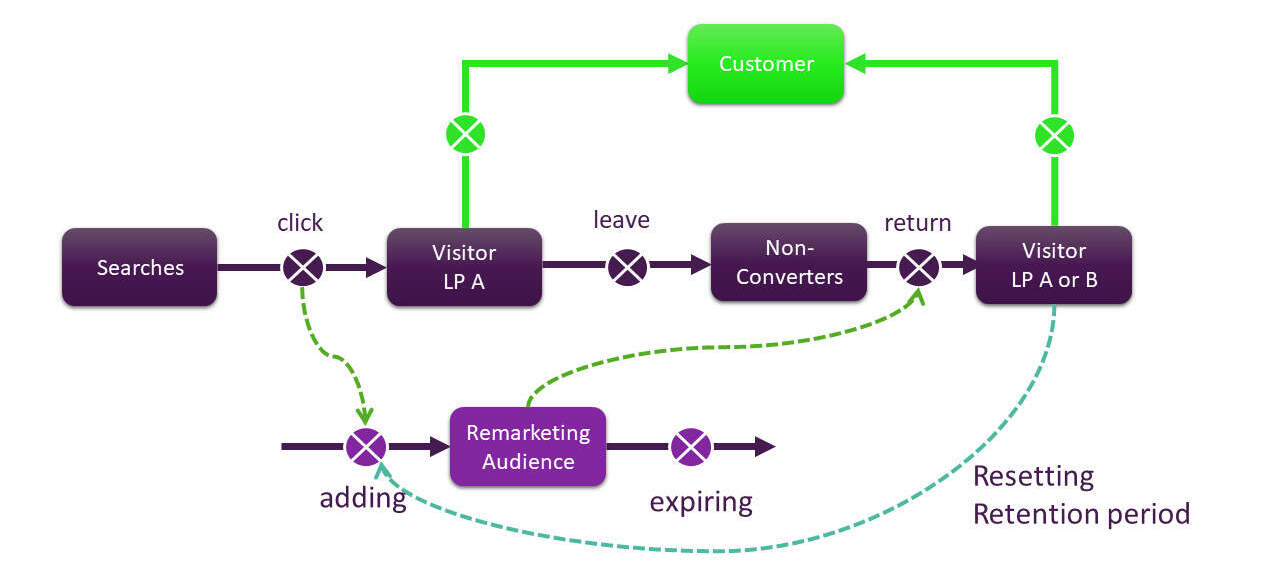
Also, apply membership duration windows. Someone who didn’t act within 7–14 days of seeing your ad likely won’t, especially for impulse offers. For high-ticket or B2B services, extend the window to 30–60 days, but always review performance. Finally, don’t ignore creative decay. Refresh images, angles, or CTAs every 2–4 weeks. Even a headline swap can reset curiosity. If you want to know how to improve remarketing performance over time, make rotation, pacing, and duration part of your optimization playbook, not just an afterthought.
Strategy 4: Use Dynamic and Abandoned-Intent Remarketing
Not all conversions are lost; many are simply paused. Users who view products, start checkout, or begin filling out forms are showing clear buying intent. When they leave without converting, the opportunity isn’t gone—it’s waiting for the right follow-up. This is where dynamic product retargeting and abandoned cart campaigns become some of the most effective remarketing strategies that convert.
- Dynamic product retargeting displays the exact product or service a user viewed, reinforcing intent with personalized reminders.
- Abandoned cart campaigns target users who left checkout flows, demo forms, or free trial sign-ups unfinished.
- Personalized remarketing outperforms generic ads because it mirrors real user behavior and buying signals.
- Incentives should reduce friction without training users to expect discounts, such as trials, onboarding support, or limited availability.
- For retargeting campaigns for small businesses, abandoned-intent audiences often deliver the highest ROI due to existing interest.
Dynamic and abandoned-intent remarketing works because it respects the buyer’s momentum. Instead of restarting the conversation, it continues it. When messaging reflects what users already considered—and removes the friction that stopped them—remarketing stops feeling pushy and starts feeling helpful. That’s how warm intent turns into completed conversions.
Strategy 5: Go Cross-Channel: Search, Social, Email
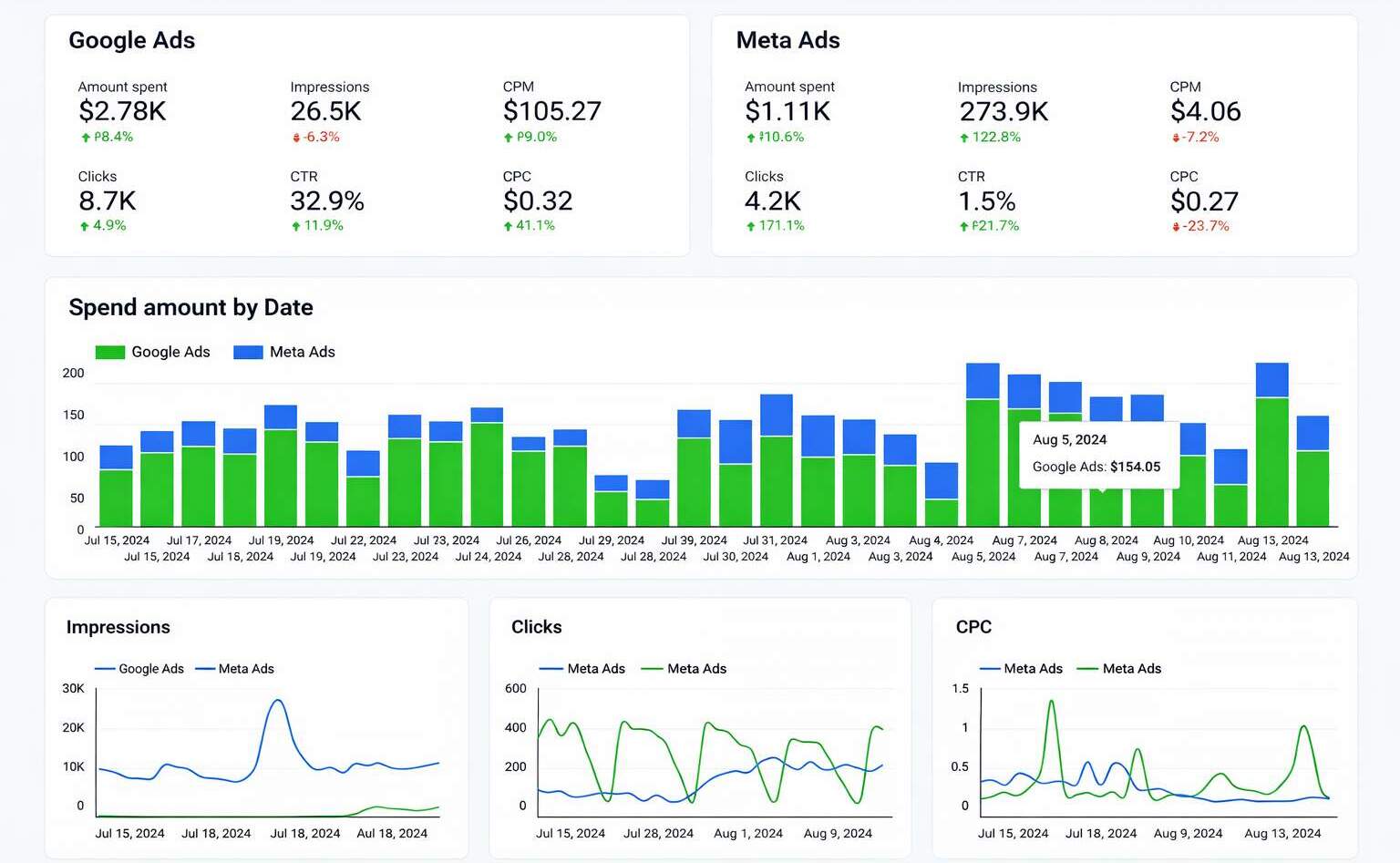
Your prospect’s journey isn’t a straight line; it’s a zigzag through Google, Facebook, Instagram, YouTube, and their inbox. So why is your remarketing stuck on just one platform? The best remarketing strategies that convert follow users wherever they go, reinforcing your message consistently across every touchpoint. When done right, cross-channel remarketing funnels feel like guidance, not repetition.
Here’s how to build it. If someone finds you via search, reinforce that experience through visual ads on social and short-form videos on YouTube. The goal? Brand recognition. The next time they search again, you’re not just another option; you’re the one they already trust. For users already on your email list, sync remarketing with email campaigns. If your email highlights a new feature, your Facebook ad should visually echo that benefit. This coordinated approach increases recall and multiplies touchpoints without doubling effort.
The final piece? Messaging consistency. Too often, brands show entirely different offers or tones across channels. That confuses people. If your landing page says “Free 14-day trial,” make sure your social and search ads match exactly. Keep visuals, offers, and tone aligned. This isn’t about saying the same thing everywhere; it’s about telling the right thing, in the right way, in the places your customers already live. That’s how Google Ads tips and Facebook remarketing best practices come together to build familiarity and trust.
Strategy 6: Fix the Landing Experience for Returning Visitors
You’ve paid to bring someone back. Don’t lose the m again by dumping them on a generic homepage. One of the fastest ways to sabotage even the best remarketing strategies that convert is by ignoring the post-click experience. Returning visitors aren’t strangers; they’re halfway in the door. Your landing page should welcome them like it knows why they came back.
Start by matching your ad promise to the destination. If the ad says “Get a free consultation,” the landing page should immediately confirm that offer above the fold; No extra scrolling. No confusion. This is even more crucial for retargeting campaigns for small businesses, where users may be comparing multiple local providers. Make their decision easy. Relevance increases conversion and trust.
Then fix the friction. Check for slow load times, confusing forms, or missing trust signals, such as reviews or guarantees. Mobile users are especially unforgiving. If it takes more than three seconds to load or isn’t easy to click, they’ll bounce again. Add clarity, proof, and, if needed, comparison charts. Use cross-channel remarketing funnels to personalize the path: someone who clicked from a social ad might respond better to testimonials; someone from Google may want pricing or case studies upfront. The more seamless and clear your landing experience, the more profitable your remarketing spend becomes.
Strategy 7: Keep Testing Offers, Creatives & Audiences
There’s no such thing as a perfect ad, only ads that haven’t failed yet. One of the core principles behind remarketing strategies that convert is ongoing testing. What worked last month won’t always work next quarter. If you’re not testing new creatives, segments, and offers regularly, you’re not just leaving money on the table; you’re probably losing it without realizing it.
Start with the obvious: split test your messaging. Try urgency vs. clarity, outcome-based benefits vs. feature highlights, or direct CTAs vs. softer nudges. A small headline change or new image can significantly boost click-through and conversion rates. If you’re wondering how to improve remarketing performance fast, testing hooks and headlines should be your first move, not your last.
Then test audiences: Group users by engagement level, device type, geography, or session duration. You might find that people who visit three times from mobile convert better with shorter CTAs. Or that repeat desktop users respond better to longer-form testimonials. Finally, refresh stale segments. Rising frequency with falling engagement? Rotate creatives or pause that group. The best Facebook remarketing best practices and Google Ads remarketing tips aren’t hacks; they’re habits. Test. Learn. Improve. Repeat.
Final Thoughts: Stop Guessing. Start Converting.
Remarketing doesn’t have to feel like creepy background noise. When done right, it becomes a second chance that actually respects your customer’s journey. You’re not nagging; you’re guiding. You’re not shouting; you’re showing value. And that’s what makes remarketing strategies that convert so powerful in any modern marketing stack.
Whether you’re running retargeting campaigns for small businesses, scaling a SaaS business, or growing local service leads, it all comes down to timing, clarity, and trust. Segment smarter. Match creative to intent; Cap frequency. Test relentlessly. And above all, build remarketing that feels like it belongs, not like it’s forcing its way in.
Stop Leaking Ad Budget—Let eSign Web Services Fix It
Need help fixing underperforming remarketing? eSign Web Services specializes in crafting data-driven, high-converting funnels tailored for growing businesses.
Let us audit your current setup and show you:
- Where your spend is leaking
- Why your campaigns aren’t converting
- How to build remarketing strategies that actually drive revenue
Book your free strategy call today — no pitch, just performance insights.
Frequently Asked Questions
Question: When should I start using remarketing?
Answer: Launch remarketing once you have solid traffic and audience segmentation. This ensures you’re not guessing with weak signals or small data sets. Effective remarketing requires understanding audience behavior, which typically comes after your site has seen steady traffic. Using strong audience segments allows you to deliver relevant ads that convert, rather than wasting budget on ineffective campaigns. Start when you have enough data to make informed decisions for optimal ROI.
Question: What’s a good frequency cap for ads?
Answer: Set a frequency cap of 3–5 views per week for remarketing ads. This avoids ad fatigue and ensures your audience isn’t overwhelmed by too many impressions, which can cause annoyance. Frequency capping is especially important for small businesses, helping to preserve your budget while keeping your brand in mind. Striking the right balance maximizes click-throughs and engagement without over-saturating your audience, ensuring your campaigns stay effective and cost-efficient.
Question: Do I always need to offer discounts in remarketing?
Answer: Discounts aren’t always necessary in remarketing. While offering a discount can drive conversions, using trust signals, clear messaging, or urgency can be equally effective. Too many discounts may diminish your brand’s perceived value over time. Instead, focus on showcasing social proof, product benefits, or limited-time offers to create urgency. Building trust through remarketing—without relying solely on discounts—can maintain your brand’s integrity while encouraging purchases.
Question: How big should my remarketing audience be?
Answer: The ideal remarketing audience should have at least 100 users, though smaller, intent-driven audiences often perform better. By segmenting users based on behavior (e.g., page views, time spent, or product interest), you can focus your efforts on individuals most likely to convert. Smaller, more targeted groups allow for more personalized messaging, which leads to higher engagement and conversions. Remember, the quality of the audience is more important than sheer size.
Question: Is remarketing just for ecommerce?
Answer: No, remarketing is effective across various industries, not just ecommerce. Businesses like B2B and healthcare can benefit from retargeting strategies that nurture leads through longer buying cycles. Cross-channel remarketing funnels guide users from awareness to trust and eventually conversion. These strategies use multiple touchpoints—like social media, display ads, and email—to engage prospects. Whether your sales cycle is short or long, remarketing keeps your brand top-of-mind and moves prospects closer to a decision.
Question: How often should I refresh creatives?
Answer: Refresh your remarketing creatives every 2–4 weeks. Keeping ads fresh helps maintain user interest and prevents fatigue. When creatives stay too static, engagement tends to drop, diminishing the effectiveness of your campaigns. Regular updates align with best practices on platforms like Facebook, where content variety boosts campaign performance. Refreshing visuals, messaging, and calls-to-action ensures your ads stay relevant to your audience and enhances overall remarketing performance.
Question: What’s a burn window in remarketing?
Answer: A burn window refers to the period a user remains in your remarketing list before being excluded. For impulse buys, a burn window of 14 days is ideal, while longer buying cycles may require a window of 30–60 days. The goal is to retarget users who are still considering your product, without wasting impressions on those who are no longer interested. Adjust the burn window based on product type and audience behavior for optimal performance.
Question: Should I exclude certain audiences from remarketing?
Answer: Yes, excluding certain audiences is critical for effective remarketing. Exclude buyers who’ve already purchased, job-seekers, or users from irrelevant regions to avoid wasted impressions. This sharpens your targeting, ensuring your ads reach the most likely buyers. Proper exclusions increase your return on ad spend (ROAS) by focusing on high-intent users, rather than wasting impressions on people unlikely to convert. Refining your audience segmentation is key to maximizing your remarketing campaigns’ success.
Question: Can I run remarketing without email lists?
Answer: Yes, you can run remarketing campaigns without email lists. Instead, use website actions, app usage, or video views to build dynamic audiences. These user behaviors provide valuable data to retarget individuals with relevant ads. While email lists can enhance your remarketing efforts, they aren’t essential for success. By leveraging other sources of data—like Google Ads or Facebook—remarketing can still be highly effective, even if you don’t have an email list to rely on.
Question: What’s the #1 remarketing mistake?
Answer: The biggest mistake in remarketing is running the same ad for everyone. Without proper audience segmentation, your ads risk becoming irrelevant to users at different stages of the buying process. Tailor your creatives based on behaviors, interests, or funnel stage to ensure maximum relevance. Effective remarketing is all about delivering the right message to the right audience. Personalization leads to higher engagement and conversions, while irrelevant ads only waste your ad spend.
Author Details

Ashwani Kumar Sharma
Ashwani has been actively involved in SEO services since 2005. His expertise and distinctive work approaches have made him one of the most experienced and trusted SEO experts in the industry. He is a certified SEO and Google Ads professional. He also has strong business development skills in advanced SEO, PPC, and digital marketing strategies.


