



Advanced On-Page SEO Techniques That Will Drive Results in 2026


Key takeaways
- SEO in 2026 prioritizes intent, semantics, and user satisfaction over keyword targeting.
- Core Web Vitals directly influence rankings, engagement, conversions, and long-term organic revenue.
- Semantic content clusters outperform standalone pages by strengthening topical authority and relevance.
- User behavior metrics like dwell time and scroll depth actively influence rankings.
- AI automates audits, optimization, forecasting, internal linking, and scalable execution across SEO.
- Voice and generative search demand structured data and natural, conversational content experiences.
In 2026, SEO is no longer about guessing search behavior; it’s about mastering how algorithms perceive content, context, and user intent in real-time. As Google pivots towards AI-first ranking models and dynamic indexing, the importance of structured, relevant, and high-performing on-page elements is at an all-time high. Sites implementing advanced on-page SEO techniques stand out because they provide more than information, they deliver precision, clarity, and trust at lightning speed. This is not a time for gimmicks. It’s a time for data-backed execution, where every header tag, schema snippet, and internal link plays a strategic role.
The latest on-page SEO strategies demand an evolved approach, where on-page SEO for voice search, semantic SEO optimization, and AI content optimization strategies converge to meet users exactly where they are. Google isn’t just crawling anymore, it’s comprehending. That’s why on-page SEO techniques 2026 focus heavily on intent, behavior, and adaptability. Whether you’re fine-tuning UX for mobile-first users or leveraging SEO automation techniques to analyze and optimize performance in real time, your on-page playbook must be smarter, faster, and scalable. Success now lies in building experiences, not just pages, and those who treat on-page SEO as an integrated strategy, not a checklist, will dominate the digital landscape of tomorrow.
Core Technical Architecture for Modern Search
The backbone of every successful SEO strategy in 2026 starts with a clean, semantic HTML structure. Gone are the days when code lived behind the curtain. Now, it plays a starring role in how search engines interpret relevance and trust. Clear hierarchies using header tags, schema markup integration (like FAQPage, HowTo, or Product), and assistive tags like <article> and <section> provide context for bots and clarity for voice interfaces. Pages lacking these signals get buried, especially as Google’s AI-first index expects structure rather than guesswork.
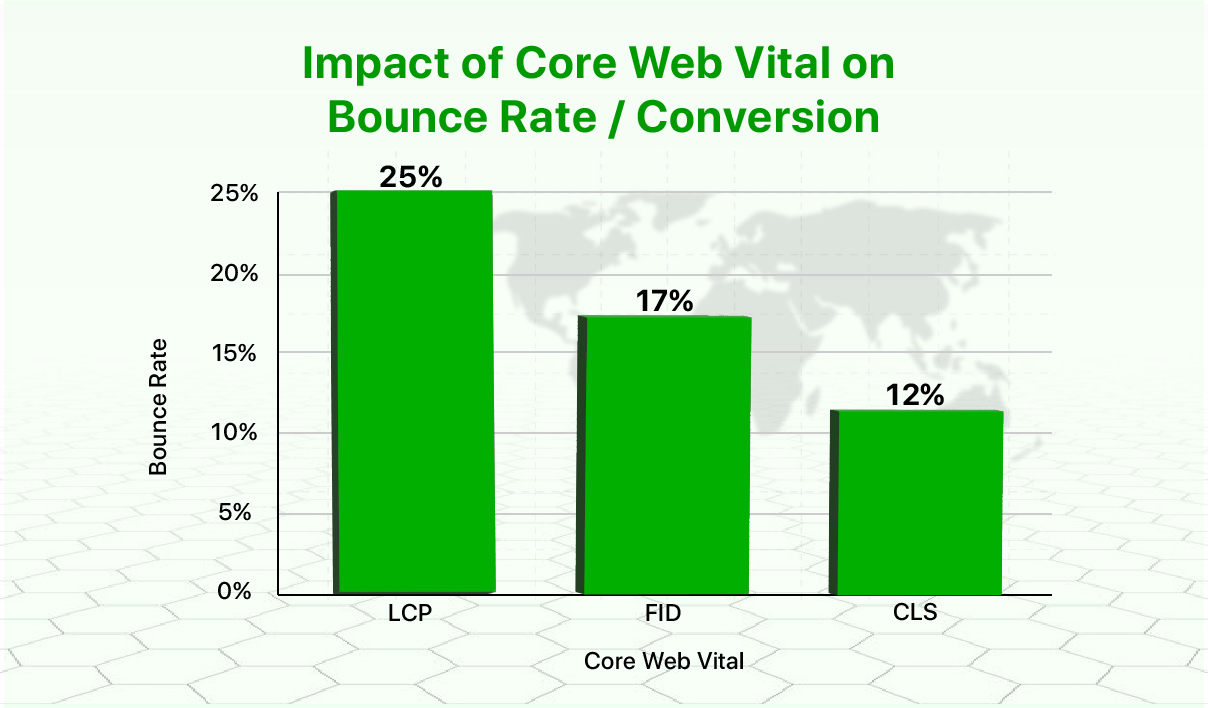
But code alone won’t save you if your site lags. Page speed has become the great equalizer, and Google’s Core Web Vitals (LCP, FID, CLS) are ruthlessly decisive. Did you know a 1-second delay in page load can reduce conversions by 20%? Fast-loading pages reduce bounce rates and significantly increase session duration. Smart devs are using next-gen image formats like WebP or AVIF, serverless CDN infrastructures like Cloudflare or Bunny.net, and code-splitting via lazy loading to trim the fat. Consider your TTFB (Time to First Byte) as your new SEO starting gun—slow starters never make the podium.
Add mobile-first indexing to the mix, and your design must shine on every screen. Think thumb-first design, core interaction above the fold, and zero layout shifts. Use real-user metrics from PageSpeed Insights, and test on 3G networks, not fiber. The mobile experience is no longer an optimization; it’s an obligation. Advanced on-page SEO techniques start here: your code, speed, and mobile UX must speak the same Google-native language.
Content Structure and Semantic Relevance
Ranking in 2026 isn’t about cramming a focus keyword, it’s about proving content fluency. Semantic SEO has evolved from a buzzword to the backbone of digital marketing. Instead of obsessing over single keywords, SEOs now utilize topic modeling and NLP-based tools, to understand search intent. Picture your content as a layered knowledge tree. Every node, heading, paragraph, internal link; should answer micro-queries Google can pull for snippets.
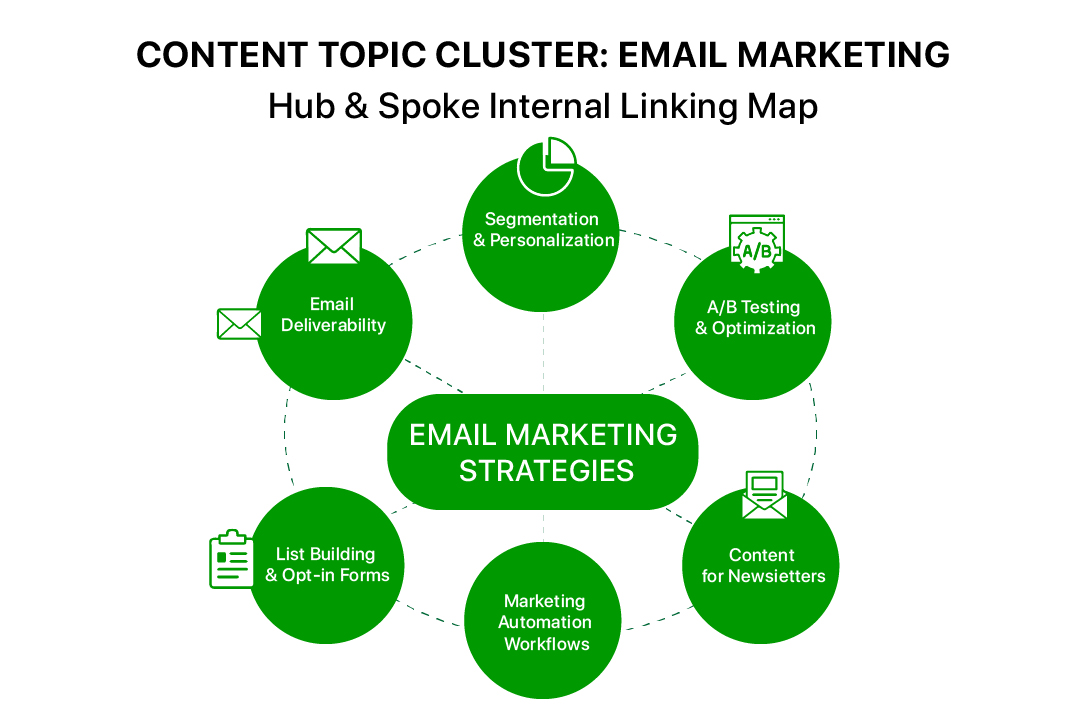
Let’s take a real-world example. A blog on “email marketing strategies” that only targets that term will fail against a competitor covering segmentation, deliverability, A/B testing, and automation workflows, all linked, optimized, and semantically grouped. That’s what AI crawlers reward now: context, breadth, and relevance.
Tools like Clearscope and Surfer SEO recommend semantically related terms that Google associates with topical authority, indicating the relevance of a term to a specific subject. Screenshot those suggestions and build content that earns relevance beyond mere frequency. Use structured markup, such as HowTo or FAQPage, for interactive, featured-rich SERP appearances. Build internal content clusters—hub pages with spokes targeting specific subtopics. Internal links now serve as semantic signposts.
In 2026, advanced on-page optimization is about establishing credibility within a content ecosystem. Think like a librarian curating knowledge, not a salesperson pitching keywords. Your layout must guide crawlers and users through a journey, not a guessing game.
User Experience and Behavioral Optimization
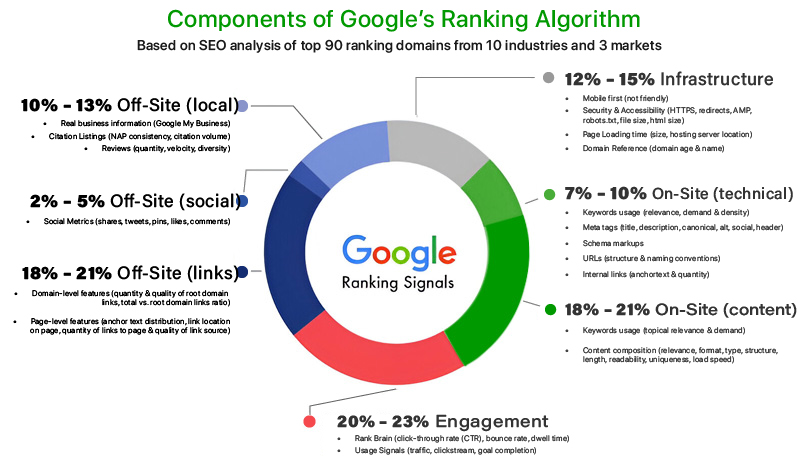
Google’s 2026 ranking model doesn’t just evaluate what your page contains; it evaluates how real users behave once they land on it. With engagement signals now contributing a decisive 20–23% of ranking influence (CTR, bounce rate, dwell time, scroll depth, and goal completion), Google’s AI uses these behavioral patterns as proof of intent satisfaction. If users stay, scroll, click, and interact, the algorithm interprets the page as high-value. If they hesitate, abandon, or fail to find clarity, the page loses authority; regardless of how strong the content is.
This is where on-page SEO best practices evolve from simple formatting rules into performance levers. Clean header hierarchy, predictable structure, intuitive spacing, and frictionless navigation reduce cognitive load and guide visitors naturally across the page. Clear CTAs, intelligent internal linking patterns, collapsible FAQs, and modular content sections help maintain consistent engagement, directly reinforcing the behavioral signals Google measures.
Tools like Hotjar or Microsoft Clarity now function as essential diagnostic systems. They reveal micro-behaviors that analytics can’t show; rage clicks, scroll drop-offs, hesitation zones, ignored elements, and dead sections. These insights let you refine user pathways using real evidence rather than assumptions. When layout, copy, and flow are adjusted based on behavioral heatmaps, the result is a page built around actual user intent, not theoretical UX principles.
In 2026, UX isn’t just “design”; it’s an algorithmic trigger. Pages that eliminate friction, simplify decision-making, and align structure with human reading patterns consistently outperform those relying only on keyword relevance or content volume. When behavior and content work together, Google’s ranking engine recognizes your page as both useful and satisfying; two core signals directly represented in the engagement slice of the ranking model.
AI-Powered Tools and Automation Techniques
SEO used to be a grind. Not anymore. Thanks to AI-driven SEO optimization, the most successful marketers in 2026 are strategic, not robotic. Machine learning now handles audits, optimizes content structure, generates meta descriptions, and even suggests internal links in real-time. Tools like Jasper, Outranking.io, and Content at Scale are redefining what “optimized” looks like, at speed and at scale.
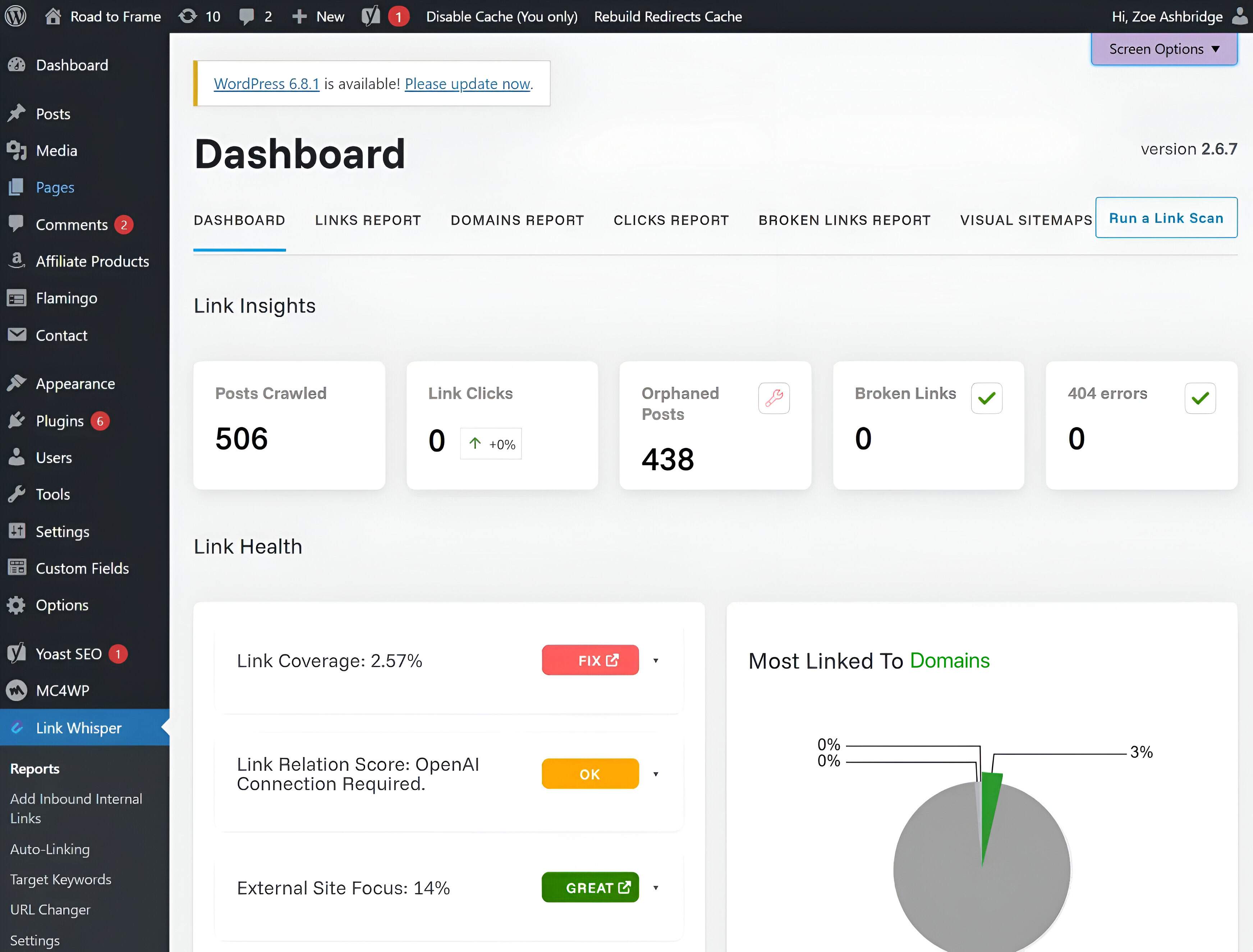
Visualize this: you drop a URL into Surfer SEO. It analyzes your content against top competitors and instantly shows missing headings, underused terms, and weak internal links. That’s machine learning SEO tools in action. Or LinkWhisper, which scans your entire content library and recommends smart internal anchors to boost topic authority. This isn’t luxury; it’s survival.
The real kicker? AI is also measuring SERP volatility. Platforms like SEOTesting or Semrush Sensor forecast ranking fluctuations using historical data, allowing you to pivot before a Google update occurs. You’re not reacting; you’re preempting. Combine that with automated schema injection, image optimization, and voice search tagging, and you’re operating at a level your competition can’t touch manually.
The future of on-page SEO tools in 2026 is about orchestration. Let AI handle the tasks, while you craft the strategy. Think less hustle, more impact.
One of the clearest examples of AI-driven workflow automation is Link Whisper; a tool that crawls your entire website and recommends optimized internal links based on relevance and semantic relationships. The dashboard below shows exactly how it identifies orphaned posts, link gaps, and anchor opportunities.
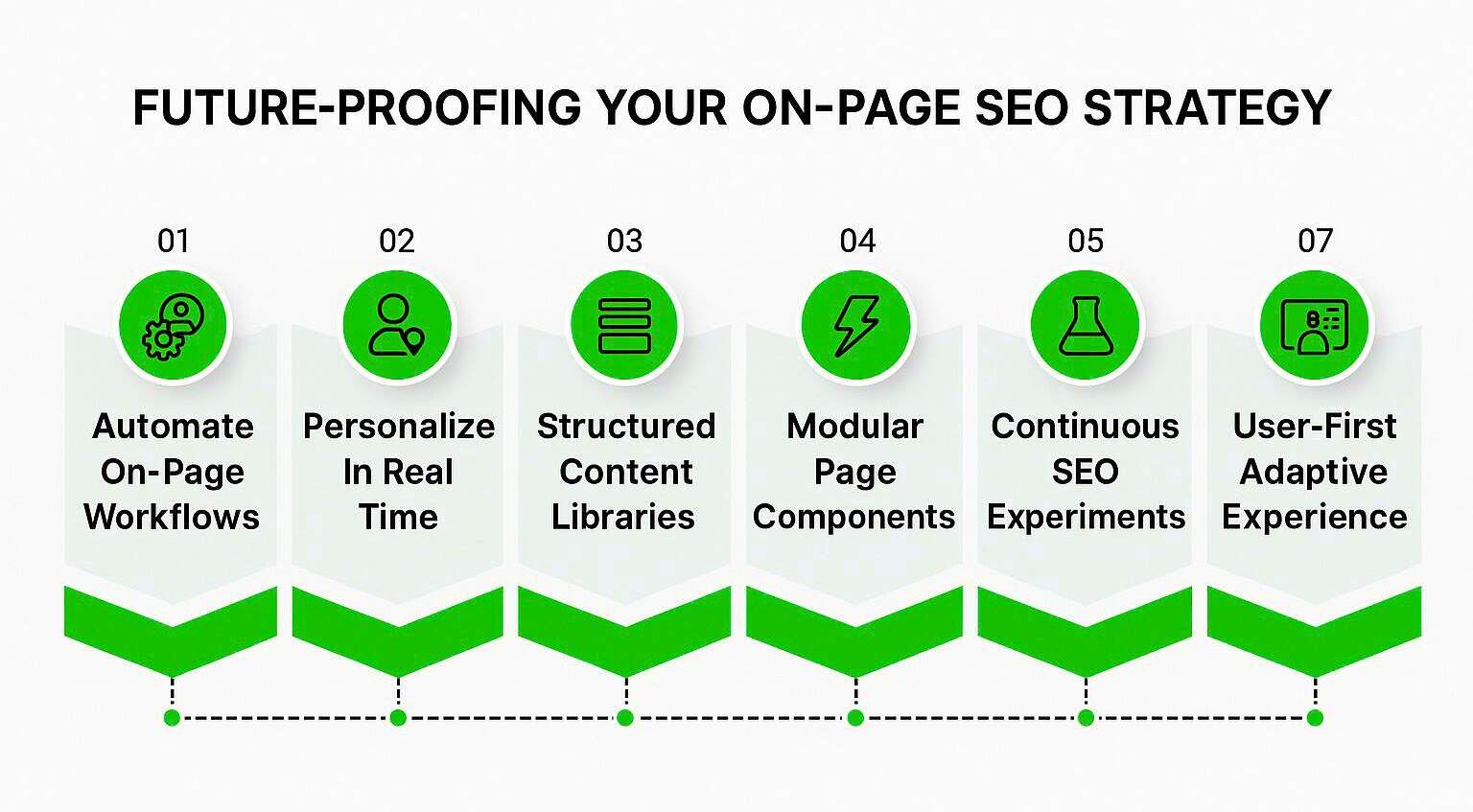
Future-Proofing Your On-Page SEO Strategy
Still planning SEO a quarter at a time? That won’t cut it in 2026. Search evolves in micro-moments, and your strategy needs to keep pace with it. Future-proofing your on-page optimization starts with three pillars: automation, personalization, and real-time adaptability. With the advent of Google’s Search Generative Experience (SGE), content must now align with AI-assembled results that blend information and action.
Start building with structured content libraries and modular blocks. That way, your content can be reassembled into new formats as AI interfaces reshape how searchers consume information. Think component-based SEO: answer boxes, interactive calculators, and visual explainers. This isn’t futuristic; it’s already being rolled out on Google’s SGE experiments.
Also, embrace continuous experimentation. Implement A/B testing for title tags using tools like Split Signal. Run CTR heatmaps. Use GPT-based SERP simulators to preview how content might appear in evolving AI layouts. And don’t forget user-first design. Personalization will be the next frontier, tailoring experiences based on location, device, and behavior in real-time.
The future of on-page SEO isn’t static. It’s agile, modular, and fueled by machine learning. Make every page a flexible asset; not a frozen artifact.
Building a Modern On-Page SEO Ecosystem
Modern SEO isn’t just about ranking; it’s about engineering harmony between code, content, and user interaction. As algorithms evolve, businesses that build a connected on-page ecosystem; where each component supports the next, will lead the charge. From semantic structure to AI-driven personalization, your page needs to think, adapt, and perform. Here’s how each piece of the puzzle contributes to future-ready optimization.
Stat Snapshot: Pages that integrate schema, AI-based personalization, and behavioral UX cues are 70% more likely to rank in AI-enhanced search results.
| Element | Role in Ecosystem | Benefit |
| Semantic HTML | Structures content for bots and accessibility | Boosts crawlability and clarity |
| Schema Markup | Adds context with rich data | Improves visibility in featured snippets |
| Internal Link Architecture | Creates semantic pathways | Reinforces authority and UX continuity |
| AI-Powered Tools | Optimize and automate page-level enhancements | Increases efficiency and competitive edge |
| Mobile UX | Enhances accessibility and usability | Elevates user experience and Core Web Vitals |
| Voice Search Optimization | Matches rising conversational search patterns | Future-proofs content discovery |
| Machine Learning Analytics | Learns from behavior to personalize content | Improves engagement and satisfaction metrics |
To compete in 2026, businesses must go beyond individual tactics and focus on building a cohesive on-page SEO ecosystem. With this unified digital experience, every element, from code to content to conversion, works together seamlessly. This ecosystem approach integrates AI content optimization strategies, machine learning analysis, voice search compatibility, mobile responsiveness, and seamless UX to create not just optimized pages, but memorable user journeys.
Sites with fragmented strategies—fast pages but poor structure, great content but no internal links, fail to capture the full spectrum of SEO value. The shift is toward synergy: when semantic depth reinforces speed, and automation supports intent-driven design, your pages don’t just rank, they convert. If you’re not treating your website like an integrated platform that continuously learns and improves through feedback loops and smart tools, you’re operating in yesterday’s SEO mindset. True optimization in 2026 isn’t about reacting to algorithms; it’s about proactively engineering relevance and experience into every pixel of your digital presence.
Action Plan: 7 Things You Should Do Now
- Use semantic HTML for meaningful structural clarity
- Fully optimize Google’s Core Web Vitals metrics
- Prioritize thumb-first, mobile-friendly design layout
- Create intelligent and scalable internal link clusters
- Leverage AI tools to generate, optimize content faster
- Track user behavior via dynamic UX heatmap tools
- Continuously test, iterate, and enhance SEO strategies
Final Thoughts
2026 is just around the corner and it’s already changing the rules of digital visibility. Search engines aren’t fooled by outdated tactics or keyword-stuffed pages anymore. They want high-performing, intelligent, and human-centered websites that deliver immediate value. This is your moment to go beyond technical tweaks and embrace advanced on-page SEO techniques that deliver scalable, future-ready results.
Don’t just react to algorithms; outsmart them. Build content ecosystems that adapt in real-time, pages that are fast and frictionless, and strategies that mirror human intent. Every second a user lingers, every micro-interaction they engage with, sends a signal. Make sure your signal is the strongest one on the SERP.
Partner with eSign Web Services—a trusted name in digital innovation. We’ve helped businesses across industries navigate algorithmic waves with precision-driven, AI-powered SEO solutions. From semantic SEO optimization to mobile-first UX strategies, we design with intent and deliver with impact.
Ready to dominate search in 2026? Let’s build your SEO future. One optimized page at a time, we’ll take your brand from invisible to unstoppable.
Frequently Asked Questions
Question: What are the most important technical SEO elements to prioritize in 2026?
Answer: Prioritize Core Web Vitals, semantic HTML, and mobile-first UX. These advanced on-page SEO techniques improve engagement, indexation, and ranking in a search environment dominated by AI-driven performance metrics.
Question: How should content creators approach keyword optimization for modern search algorithms?
Answer: Rely on semantic SEO optimization and topic clustering. These strategies satisfy complex queries, enhance topical authority, and ensure your content is aligned with intent rather than outdated exact-match keyword stuffing.
Question: What role does AI play in advanced on-page SEO strategies?
Answer: AI-driven SEO optimization enhances decision-making, automates improvements, and delivers scalable precision. Marketers gain deeper insights while focusing on storytelling, branding, and conversion-driven strategies.
Question: How can websites prepare for voice search optimization?
Answer: Use structured data and natural phrasing to target conversational queries. On-page SEO for voice search enables better visibility in featured snippets and aligns with how users interact with AI-driven devices.
Question: What analytics metrics should SEO professionals track for on-page optimization?
Answer: Monitor Core Web Vitals, bounce rate, CTR, and time-on-site. These indicators reflect the effectiveness of AI content optimization strategies in retaining and converting user attention.
Question: How often should technical SEO audits be performed?
Answer: Perform comprehensive audits quarterly, supported by monthly checks using machine learning SEO tools and SEO automation techniques to detect crawl issues, performance drops, and structural weaknesses.
Question: What’s the benefit of internal link clusters in 2026 SEO?
Answer: Internal link clusters support semantic SEO optimization by reinforcing topical relationships, improving site navigation, and distributing authority more effectively across related content.
Question: Are SEO automation tools really necessary in 2026?
Answer: Absolutely. Machine learning SEO tools simplify workflows, enhance real-time responsiveness, and identify optimization gaps—making them indispensable for scaling modern on-page SEO strategies.
Author Details

Ashwani Kumar Sharma
Ashwani has been actively involved in SEO services since 2005. His expertise and distinctive work approaches have made him one of the most experienced and trusted SEO experts in the industry. He is a certified SEO and Google Ads professional. He also has strong business development skills in advanced SEO, PPC, and digital marketing strategies.


