



Short-Form Video Strategy for Agencies: Reels, Shorts & TikTok That Convert


Key Takeaways
- A robust short-form video strategy positions agencies as industry authorities by demonstrating strategic thinking and clarity.
- Consistent short-form video marketing builds essential familiarity that reduces skepticism before the first sales conversation begins.
- Implementing an Instagram Reels strategy focuses on repeated recognition to ensure your agency stays top-of-mind.
- Utilizing YouTube Shorts for agencies allows for educational frameworks that establish long-term authority and searchability.
- A high-impact TikTok marketing strategy accelerates top-of-funnel discovery by reaching entirely new, algorithm-driven professional audiences.
- Creating video content that converts requires shifting focus from chasing viral trends to sharing deep insights.
- Measuring video engagement metrics helps agencies refine their content marketing funnel for better long-term lead quality.
Short-form video is no longer optional for agencies that want to remain competitive. Decision-makers today rarely “research” agencies in a traditional sense. Instead, they engagewith opinions, insights, and explanations as they scroll between meetings or during short breaks. In many cases, a potential customer’s first impression of an agency happens through a 30-second video, not a website or proposal.
What makes this shift important is not reach, but perception. A clear Short-Form Video Strategy allows agencies to show how they think, not just what they sell. When you include short videos in a content marketing strategy, they filter out the wrong leads early. Instead of being random posts, they ensure only the right prospects reach out to your agency. By the time someone clicks through to a website or books a call, they already feel familiar with the agency’s voice, confidence, and clarity. This familiarity quietly removes friction from later conversion points.
Why This Matters
- 73% of B2B buyers say video helps them evaluate vendors
- Short-form video delivers higher engagement than static posts across social platforms
- Familiarity reduces skepticism before sales conversations begin
This article explains how agencies can use Short-Form Video Strategy as a long-term growth asset rather than a trend-chasing exercise. We’ll break down how Reels, Shorts, and TikTok behave differently, how short videos fit naturally into the funnel, and why video content that converts works best when it builds trust rather than forcing action.
Why Short-Form Video Wins for Agencies
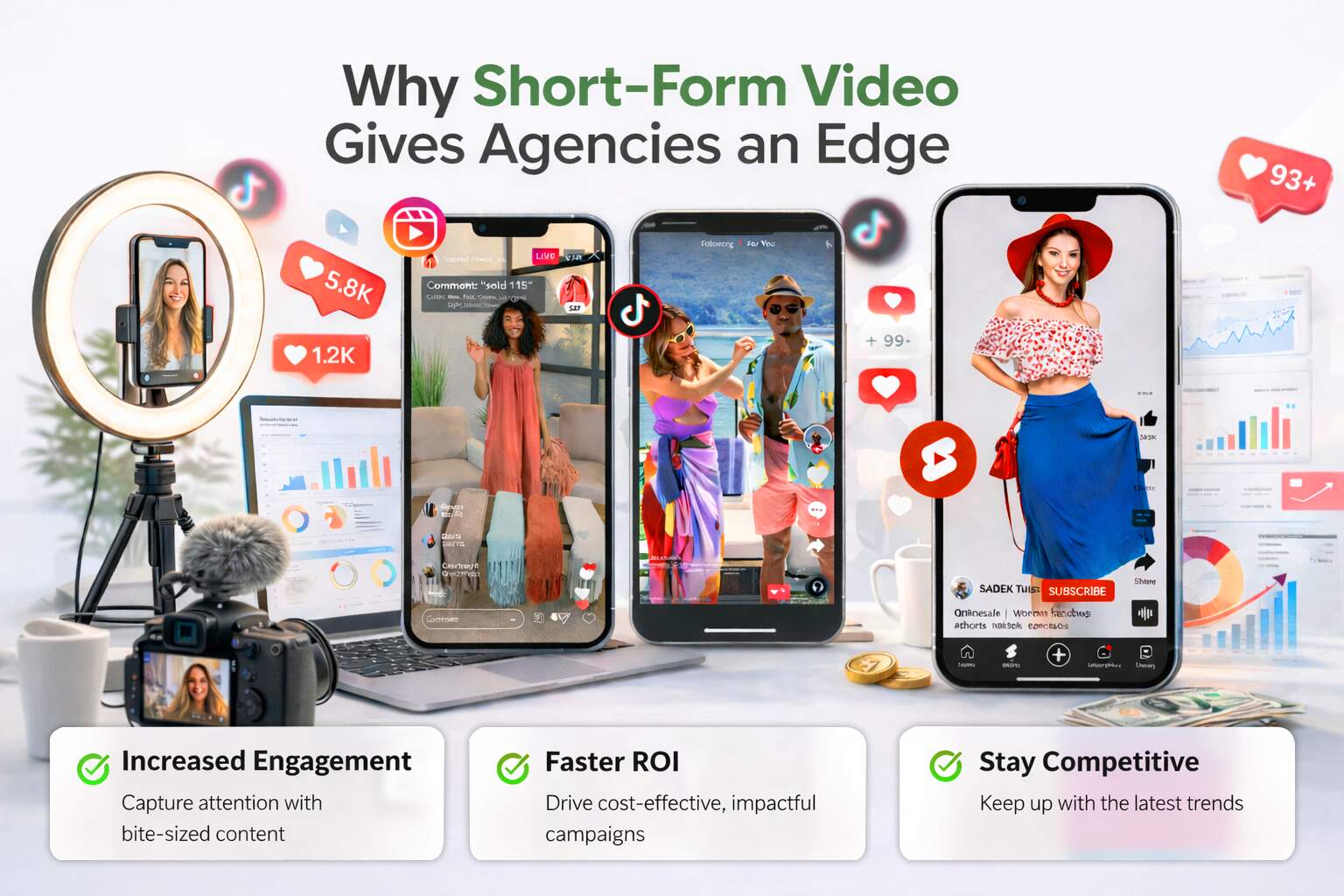
Short-form video gives agencies an edge because it aligns with how attention actually works today. Decision-makers scroll just like consumers. They do not allocate time to “discover agencies.” Instead, agencies earn attention by showing up naturally where people already spend time. This is why short-form video marketing works without resistance. It meets audiences in-feed, not behind gates.
Video also accelerates trust in a way text cannot. Seeing faces, hearing tone, and watching ideas explained builds credibility faster than written claims. This turns content into a conversion-focused video asset rather than just visibility noise. Over time, viewers begin associating the agency with clarity and competence, even if they never consciously decide to follow.
Consistency signals relevance. Agencies that publish regularly appear active and up to date. Silence, even when work is strong behind the scenes, creates doubt. A visible short-form video strategy positions agencies as involved, confident, and in demand.
The following points highlight how execution choices affect outcomes. “Do This” actions build familiarity and trust over time. “Avoid This” behaviors often look busy but fail to compound value.
Do This
- Share insights weekly: Publish thoughtful insights consistently to build familiarity, authority, and trust with scrolling decision-makers.
- Show faces and opinions: Use real faces and strong opinions to humanize your agency and accelerate audience trust.
- Focus on clarity: Prioritize clear ideas and simple explanations that viewers can quickly understand and remember.
Avoid This
- Posting only during launches: Posting only during launches makes your brand feel invisible and opportunistic between campaigns.
- Faceless, stock-style videos: Faceless or stock-style videos weaken credibility and make your agency forgettable in crowded feeds.
- Chasing trends blindly: Blindly chasing trends distracts from strategy and rarely produces sustainable business results.
Don’t Treat Reels, Shorts & TikTok the Same
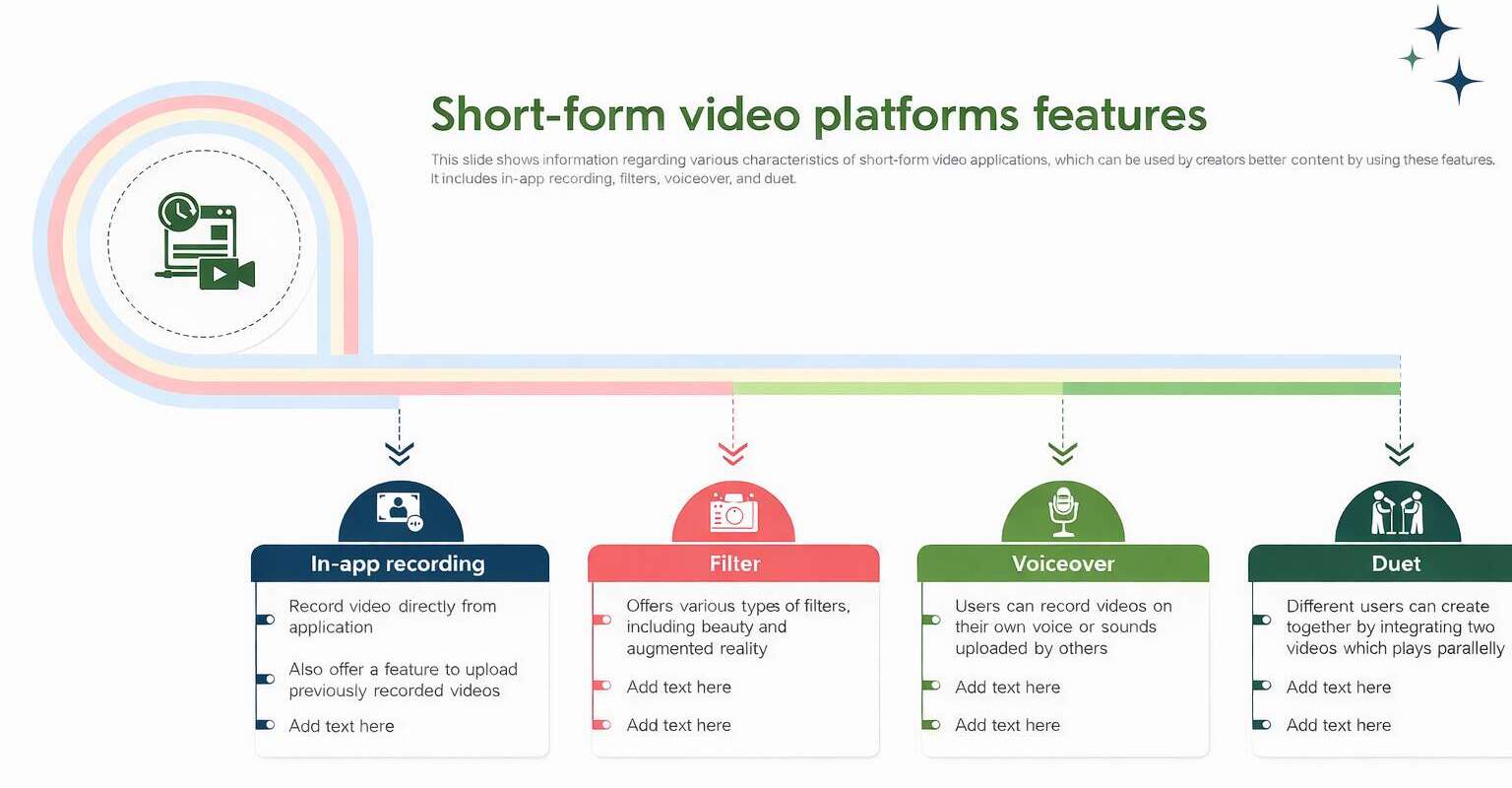
Each platform plays a distinct role, and treating them the same limits the results. Instagram Reels reward repetition and recognition. A strong Instagram reels strategy relies on recurring formats, familiar hooks, and consistent themes. When audiences repeatedly see the same agency explain useful ideas, brand recall naturally grows.
YouTube Shorts operate differently. YouTube shorts for agencies perform best when focused on education. Clear frameworks, quick explanations, and simplified concepts position agencies as teachers rather than vendors. Shorts also resurface over time through YouTube’s recommendation engine, making them ideal for performance-driven videos that compound Authority rather than disappearing quickly.
TikTok accelerates discovery. A well-executed TikTok marketing strategy exposes agencies to people who have never searched for them. TikTok prioritises interest over follower count, making it a powerful top-of-funnel channel for honest insights and strong opinions.
| Platform | Primary Role | Strategic Impact |
| Reels | Recognition | Repeated exposure builds familiarity, making agencies easier to recall when decisions arise. |
| Shorts | Authority | Educational clips position agencies as knowledgeable guides, strengthening trust over time. |
| TikTok | Discovery | Algorithm-driven reach introduces agencies to new audiences without relying on followers. |
Each platform plays a distinct role in how agencies are discovered, remembered, and trusted. Reels reinforce familiarity through repetition, Shorts build authority through education, and TikTok accelerates discovery through algorithmic reach. When agencies align content intent with each platform’s strengths, short-form video stops being random output and becomes a structured visibility and trust engine.
Posting identical videos everywhere weakens impact. Strategy requires adapting intent, not duplicating output.
How Short-Form Video Supports the Funnel
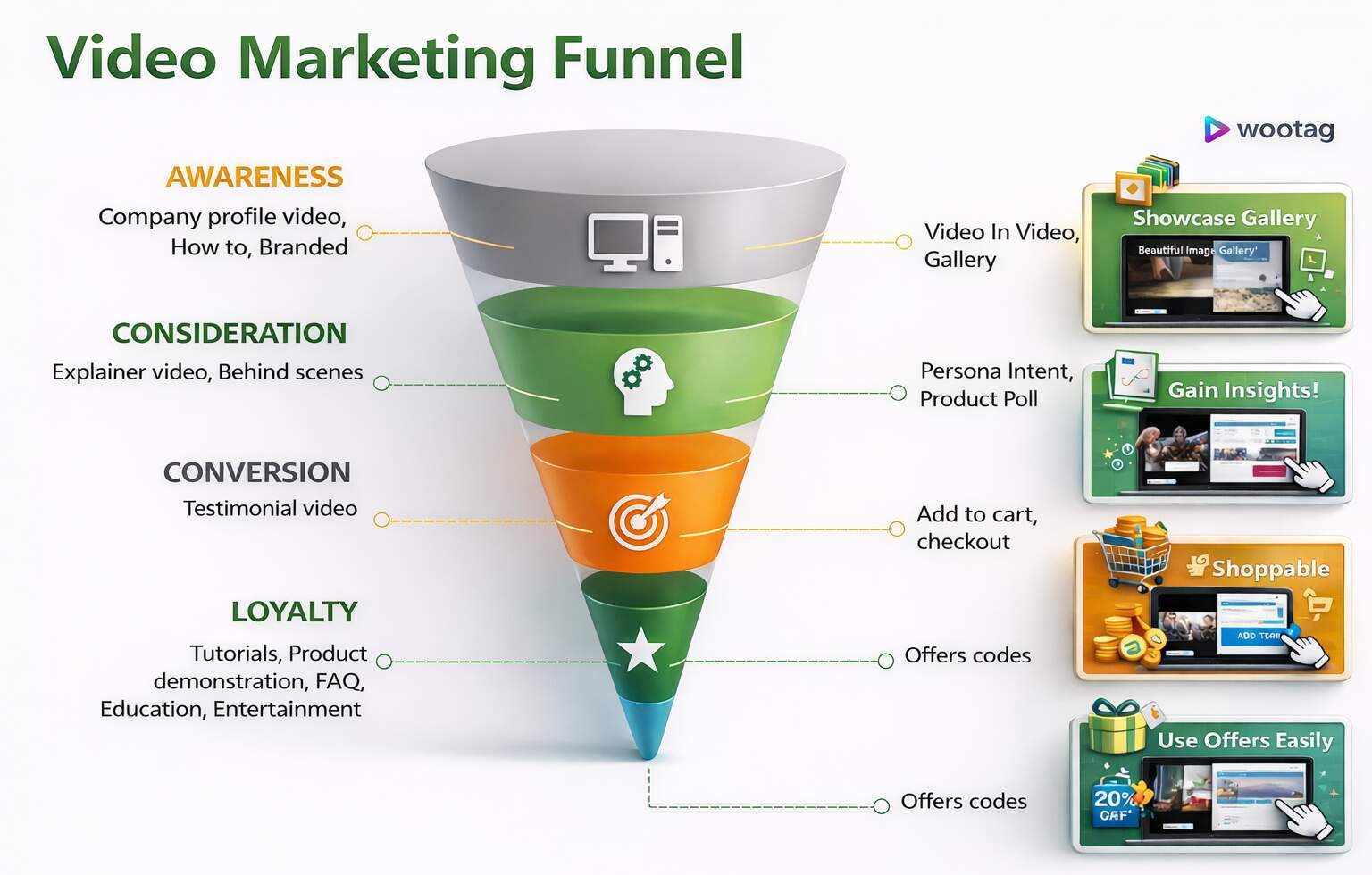
Short-form video works because it supports the funnel without forcing it. At the awareness stage, videos introduce ideas without asking for commitment. Viewers engage voluntarily, which reduces skepticism and builds openness. This is why social media video content often outperforms cold ads for first touchpoints.
Trust develops through consistency. Repeated exposure to useful content builds credibility over time. Prospects begin recognizing the agency before they need services, which naturally strengthens the content marketing funnel. This trust is subtle but powerful, because it forms without persuasion.
Conversions improve indirectly. Short-form video rarely closes deals, but it shortens decision cycles. When prospects already trust the agency, emails, ads, and landing pages perform better. This is where video content that converts influences outcomes without feeling sales-driven.
Key Takeaways Box
- Awareness feels natural, not forced
- Trust builds through repetition
- Sales conversations start warmer
Content Agencies Perform Best With
Opinion and insight videos sit at the core of an effective Short-Form Video Strategy because they reveal how an agency thinks, not just what it delivers. When agencies take a stance on industry shifts, flawed assumptions, or overused tactics, they stop sounding interchangeable. This approach strengthens short-form video marketing by replacing generic advice with perspective-driven clarity that audiences remember.
Example: An agency shares a 40-second video titled, “Why ranking reports no longer convince clients and what actually builds confidence.” That single insight reframes expectations, sparks discussion, and positions the agency as a strategic partner rather than a task executor.
Problem–solution clips consistently outperform broad tips because they feel personal. Calling out a precise pain point and explaining a practical fix creates instant relevance. This is where video content that converts performs best, because recognition happens before persuasion. These clips also work as conversion-focused video, guiding viewers toward trust instead of forcing action. Taking an example: A short video opens with, “If your ads get clicks but no leads, your landing page isn’t doing its job.” The agency explains one fix in under 30 seconds, making the content relatable and memorable.
Proof without case studies builds credibility without polish. Instead of formal success stories, agencies share lessons learned, workflow insights, or anonymized outcomes. This strengthens social media video content by making expertise feel honest and accessible.
Why Video Improves Conversions Over Time
Short-form video improves conversions by warming prospects long before they ever reach a landing page or book a call. Repeated exposure through short-form video marketing reduces friction and builds recognition over time. When someone has already seen an agency’s insights multiple times, the interaction no longer feels unfamiliar. This is where a strong Short-Form Video Strategy quietly strengthens downstream performance by building trust before intent appears.
The impact extends far beyond social platforms. Paid ads perform better when audiences already recognize the brand through ongoing social media video content. Email campaigns earn higher open rates because the sender feels familiar. Outreach feels less intrusive because it’s expected, not abrupt. These effects compound because video engagement metrics such as saves, comments, replays, and profile visits signal growing trust across the content marketing funnel.
In practical terms, short-form video works because:
- Familiar faces reduce scepticism by creating comfort, credibility, and trust before any sales conversation begins.
- Repeated ideas increase confidence by reinforcing understanding and making complex decisions feel safer over time.
- Recognition replaces persuasion when prospects already trust the agency before evaluating offers or pricing.
The biggest advantage is efficiency over time. Organic short-form video allows agencies to stay visible without relying entirely on paid spend. While it may not generate instant leads, it steadily compounds attention. Familiar brands convert faster, sales cycles shorten, and hesitation drops. This is why performance-driven video, conversion-focused video, and video content that converts function as long-term assets rather than one-off campaign tactics.
Over time, agencies often hear prospects say, “I’ve been seeing your videos for a while,” even when no video directly promoted the offer; a clear signal that trust was built well before the conversation ever began.

Not a Trend—A Long-Term Advantage
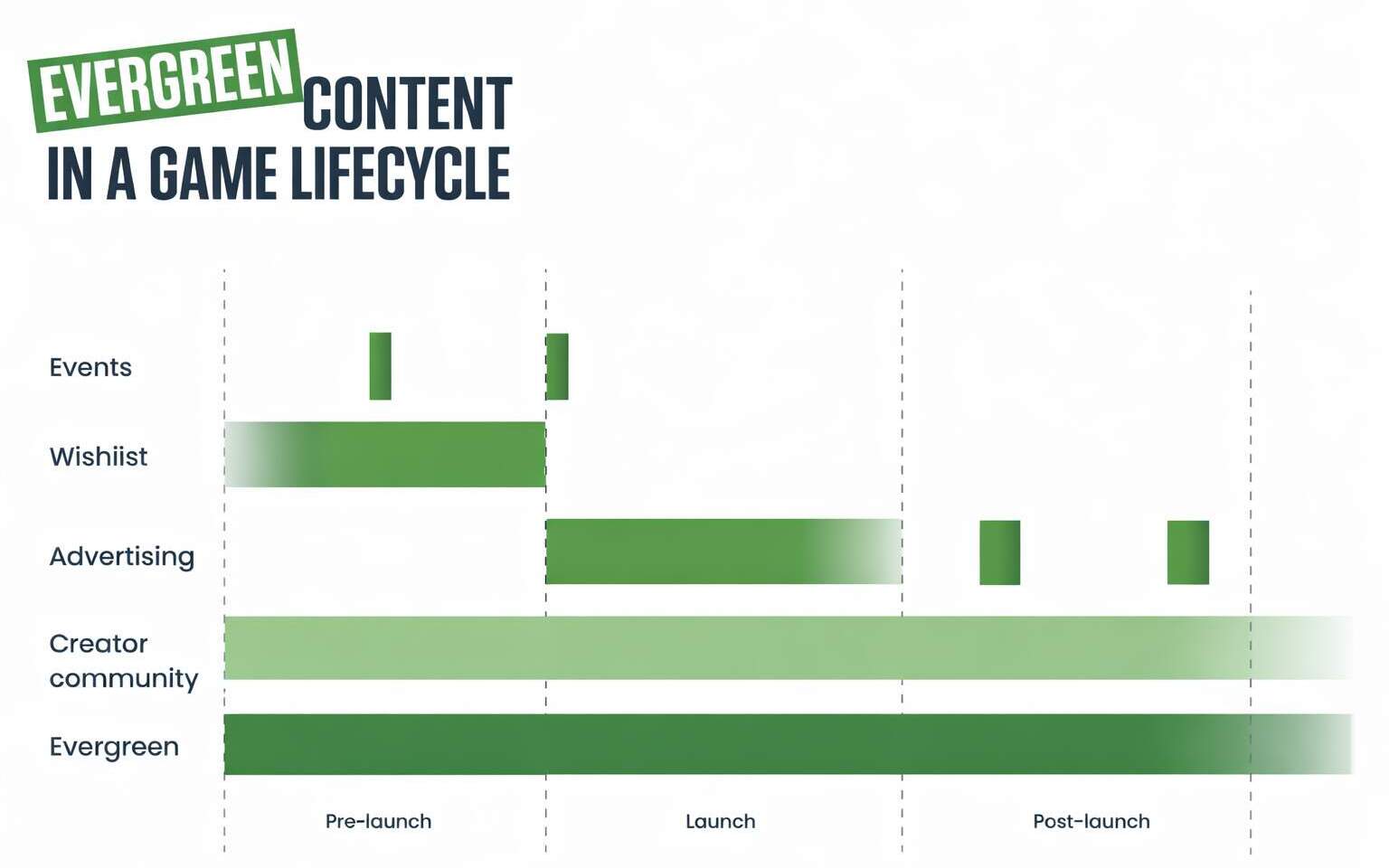
Short-form video is often mistaken for a temporary trend, but for agencies, it represents a permanent shift in how professional trust is built. By treating it as a compounding asset rather than a series of one-off posts, agencies can build a “visibility engine” that works indefinitely.
Why Video is a Sustainable Asset
- Compounding Visibility: Unlike static posts that disappear from feeds, a structured Short-Form Video Strategy ensures your content continues to surface through recommendations and profile browsing. This longevity means your ideas work for you months after they are published.
- Trust Over Virality: Strategic short-form video marketing focuses on relevance and repetition rather than viral spikes. Consistently sharing clear insights builds a foundation of reliability that no single viral hit can match.
- Warming Up the Funnel: Creating video content that converts is about steady recognition. When prospects repeatedly see your agency solve specific problems, they move from awareness to confidence without feeling pressured by a sales pitch.
- Operational Efficiency: Once an agency masters its performance-driven video workflow—covering ideation and recording—the process becomes highly scalable. This efficiency allows you to maintain a presence without team burnout.
- Shortening the Sales Cycle: A disciplined Short-Form Video Strategy acts as a pre-screening tool. It educates your audience on your methodology, leading to higher-quality inbound leads who already understand and value your expertise.
Short-form video has evolved into a repeatable growth engine that rewards clarity and consistency over entertainment. By focusing on long-term authority rather than fleeting trends, agencies turn digital visibility into a significant competitive advantage that compounds over time.
Wrapping It Up
Short-form video works in favor of agencies because it mirrors how modern audiences discover, evaluate, and begin trusting brands. A well-executed short-form video strategy lowers resistance, builds familiarity faster, and supports decision-making without aggressive selling. Instead of pushing offers, agencies earn attention through clarity, consistency, and relevance.
When Reels, Shorts, and TikTok are treated as strategic funnel assets rather than entertainment channels, visibility compounds over time. Familiarity is built earlier, skepticism fades faster, and video content starts strengthening performance across paid ads, email campaigns, and sales conversations. Gradually, agencies shift from being passively discovered to being actively remembered.
At this stage, eSign Web Services supports agencies by building organized, goal-oriented short-form systems rather than posting for visibility alone. We focus on aligning content with trust, recognition, and conversion using a strategy-first approach that integrates seamlessly into the wider marketing funnel. Today, the real risk is not testing short-form video. It is remaining invisible while competitors shape perception daily inside the feed.
Want a Smarter Short-Form Video Roadmap That Actually Converts?
If your agency is posting Reels, Shorts, or TikToks but not seeing real business impact, the problem is rarely effort. It’s alignment.
Request a short-form video strategy review with eSign Web Services. We’ll assess how your current video content supports trust, recognition, and conversions, identify gaps across platforms, and outline a focused roadmap built for long-term performance.
No trend chasing. No vanity metrics. Just a strategy designed to compound visibility and influence where decisions are made.
Frequently Asked Questions
Question: Why is short-form video so effective for agencies?
Answer: Short-form video allows agencies to show how they think, not just what they sell. In under a minute, agencies can demonstrate expertise, clarity, and perspective, which are critical trust signals for potential clients. This is why short-form video marketing works so effectively for agency visibility and credibility. When prospects repeatedly see useful insights in their feed, familiarity builds naturally. By the time they visit a website or book a call, trust already exists, reducing friction and accelerating decisions.
Question: Does short-form video replace blogs or case studies?
Answer: No, short-form video does not replace blogs or case studies; it strengthens them. Short videos are ideal for capturing attention and warming audiences at the top of the content marketing funnel, while blogs and case studies provide depth, proof, and detailed education. Together, they form a layered system where video builds familiarity and interest, and long-form content supports validation, confidence, and final conversion decisions without forcing action.
Question: Which platform should agencies prioritize first?
Answer: Agencies should prioritise the platform their ideal clients already use most. A clear Instagram Reels strategy works well for recognition and relationship-building, YouTube Shorts for agencies are effective for educational authority, and a focused TikTok marketing strategy accelerates discovery. Instead of posting everywhere, agencies see better results by mastering one platform first, learning what resonates, and then expanding or repurposing strategically.
Question: How soon can agencies expect results?
Answer: Early engagement signals such as views, saves, and comments often appear within a few weeks. However, meaningful business results take longer. Short-form video relies on repetition and familiarity, so conversion-related impact usually builds over several months. As audiences repeatedly see valuable insights, trust grows, brand recall improves, and prospects become more comfortable taking the next step when the timing feels right.
Question: Is daily posting required?
Answer: No, daily posting is not required. Consistency matters far more than frequency. Posting three to five times per week with clear intent and strong ideas is more effective than daily low-quality output. Agencies that focus on clarity and relevance create performance-driven video that builds trust over time, performs better long-term, and avoids burnout for teams responsible for content creation.
Question: Can B2B agencies benefit from short-form video?
Answer: Yes, B2B agencies benefit significantly from short-form video. B2B buyers are still people, and they consume short-form content daily. Insight-driven and educational social media video content performs especially well in B2B environments by simplifying complex ideas and demonstrating strategic thinking. Even when conversions are not immediate, repeated exposure builds familiarity that strongly influences later buying decisions.
Question: How does short-form video support conversions?
Answer: Short-form video supports conversions by warming prospects before they ever reach a landing page. Repeated exposure builds brand recall, reduces scepticism, and establishes credibility. This is how video content that converts works—by engaging informed, familiar audiences instead of persuading cold traffic. When users finally encounter an offer, they are more receptive, making conversions feel natural rather than forced.
Question: Does video quality matter?
Answer: Clarity matters more than production polish. Clear audio, readable captions, good lighting, and confident delivery consistently outperform overly produced visuals. Audiences value authenticity and usefulness over cinematic quality. As long as the message is easy to consume on mobile, simple videos can function as highly effective conversion-focused video assets that build trust and credibility for agencies.
Question: What metrics should agencies track?
Answer: Views alone do not tell the full story. Agencies should focus on video engagement metrics such as saves, comments, shares, profile visits, branded searches, and assisted conversions. These signals reveal whether content is resonating, building trust, and influencing behaviour beyond the platform. Over time, patterns between engagement and inbound leads help clarify how short-form video contributes to real business outcomes.
Question: Is short-form video a passing trend?
Answer: No, short-form video reflects a long-term shift in how people consume information. Platforms prioritise it, and audience behaviour consistently supports it. While formats and features may evolve, the preference for short, high-impact content is not going away. Agencies that invest in structured short-form systems now are building future-proof visibility and sustainable demand generation.
Author Details

Ashwani Kumar Sharma
Ashwani has been actively involved in SEO services since 2005. His expertise and distinctive work approaches have made him one of the most experienced and trusted SEO experts in the industry. He is a certified SEO and Google Ads professional. He also has strong business development skills in advanced SEO, PPC, and digital marketing strategies.


