



Signs You Need an SEO Agency (and How to Choose the Right One)

Key Takeaways
- Stalled organic growth, ranking plateaus, and slowing leads signal the signs you need an SEO agency.
- DIY SEO has limits; without structure and consistency, it becomes clear when to hire an SEO agency.
- Content that isn’t ranking and a weak local presence reveal misaligned intent, thin pages, and missing signals.
- Before you hire an SEO company, evaluate the process, reporting depth, ownership, and real case studies.
- Technical SEO problems quietly erode authority, demanding audits, clean architecture, and disciplined execution.
- Smart choosing an SEO agency depends on clarity, communication, and shared accountability across teams.
Most businesses don’t suddenly wake up and say, “Let’s sign a retainer with an SEO agency today.” It usually starts with a slow burn: your organic traffic graph stops climbing, leads trickle in instead of a flow, and competitors you barely noticed two years ago are suddenly everywhere on Google. At first, a bit of DIY SEO, the odd blog post, and occasional website tweaks were enough to get you moving. But search engines changed, your market got noisier, and “doing SEO whenever we find time” stopped being a real SEO strategy.
Here’s the part many business owners get wrong: the problem usually isn’t your product or your industry. It’s that you’ve hit the ceiling of what can be done without a dedicated, structured SEO partner. A strong SEO agency doesn’t just “do keywords”, they bring a system, a roadmap, and the execution muscle your in-house team simply doesn’t have the capacity or specialization to maintain. This guide walks you through the real signs you need an SEO agency, what to watch inside your own operations, and how to choose a partner that actually moves the needle instead of just sending fancy reports.
When DIY SEO Stops Working: Core Warning Signs
In the early stages, DIY SEO can be surprisingly effective. You launch a site, publish a few relevant pages, add some blog posts, and watch traffic climb. Then, without a dramatic event, the line flattens. That’s often the first and most obvious sign you need an SEO agency. You might see a subtle organic traffic drop, or Google Search Console impressions and clicks hovering at the same level for months despite your efforts. Meanwhile, your competitors’ graphs keep climbing even though their websites don’t look much better than yours.
Rankings tell the same story. Your key phrases sit stubbornly on page two or three, close enough to show up in tools but far enough to be irrelevant to real users. You may rank nicely for your brand name but not for the high-intent service keywords that actually drive revenue. Sometimes you get traffic, but the wrong kind; people from the wrong country, job seekers, students, or users with no commercial intent. That’s a clear sign that your SEO strategy is out of sync with real-world search behavior. When you’ve pushed DIY as far as you can and still feel stuck, it’s no longer about trying harder; it’s about bringing in expertise that can diagnose and fix the structural issues holding you back.
Internal Operational Red Flags You Can’t Ignore
Not every SEO problem shows up in a dashboard. Some of the clearest signals that you need outside help are hiding inside your own workflow. If you’re honest, does SEO live at the top of your priority list, or does it slip down every week behind sales calls, client requests, and urgent operational fires? When founders, marketing managers, or small teams are juggling social media, email, paid ads, and offline promotions, SEO becomes a “when we get time” task, and that inconsistency shows up later as lost rankings and missed opportunities.
Another strong clue that it’s time to consider when to hire an SEO agency is the way decisions are made. If blog topics are chosen by gut feeling instead of data, pages are published without proper on-page optimization, and no one is tracking performance trends in a structured way, you’re not doing strategic SEO; you’re just creating content and hoping for the best. Add heavy reliance on PPC or social ad campaigns to that picture, and the risk grows. If pausing your ad spend makes your enquiry volume crash, your business is overexposed to short-term channels. Paid campaigns are powerful, but they’re also volatile. Professional SEO services help you build an organic foundation that supports growth even when you’re not paying for every click.
Website & Technical Symptoms That Hurt Your Rankings
Your website may look polished, but behind the scenes, silent issues can seriously harm visibility and user trust. These problems rarely crash your site, which is why most business owners overlook them, yet they are some of the strongest signals affecting SEO performance. When Google encounters technical friction, it lowers your authority, delays indexing, and pushes competitors above you even if your content is strong.
Key Technical Warning Signs You Should Never Ignore
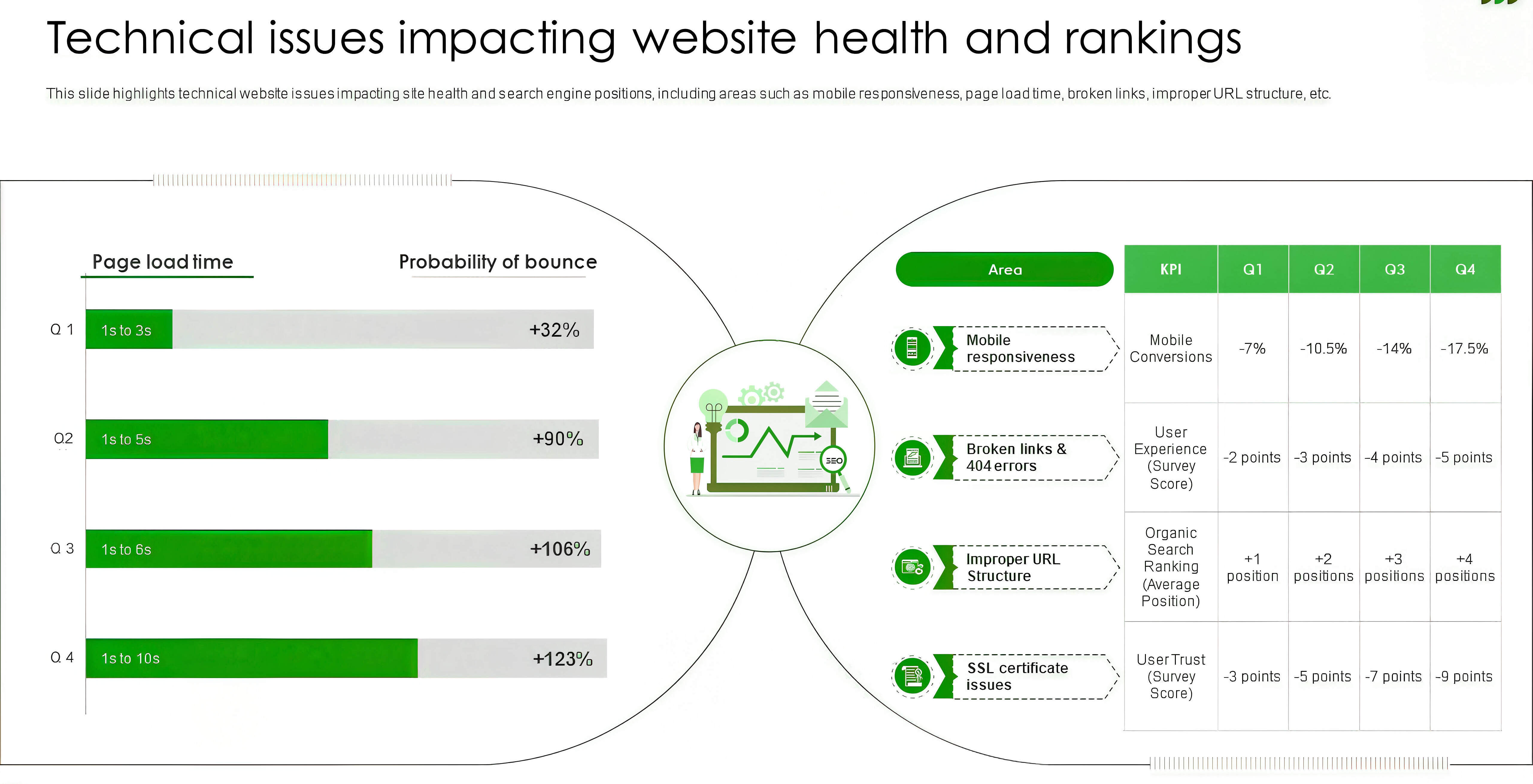
- Slow Page Speed on Mobile — Heavy scripts, large images, and weak optimization lead to poor Core Web Vitals, causing users to bounce and Google to penalize your pages.
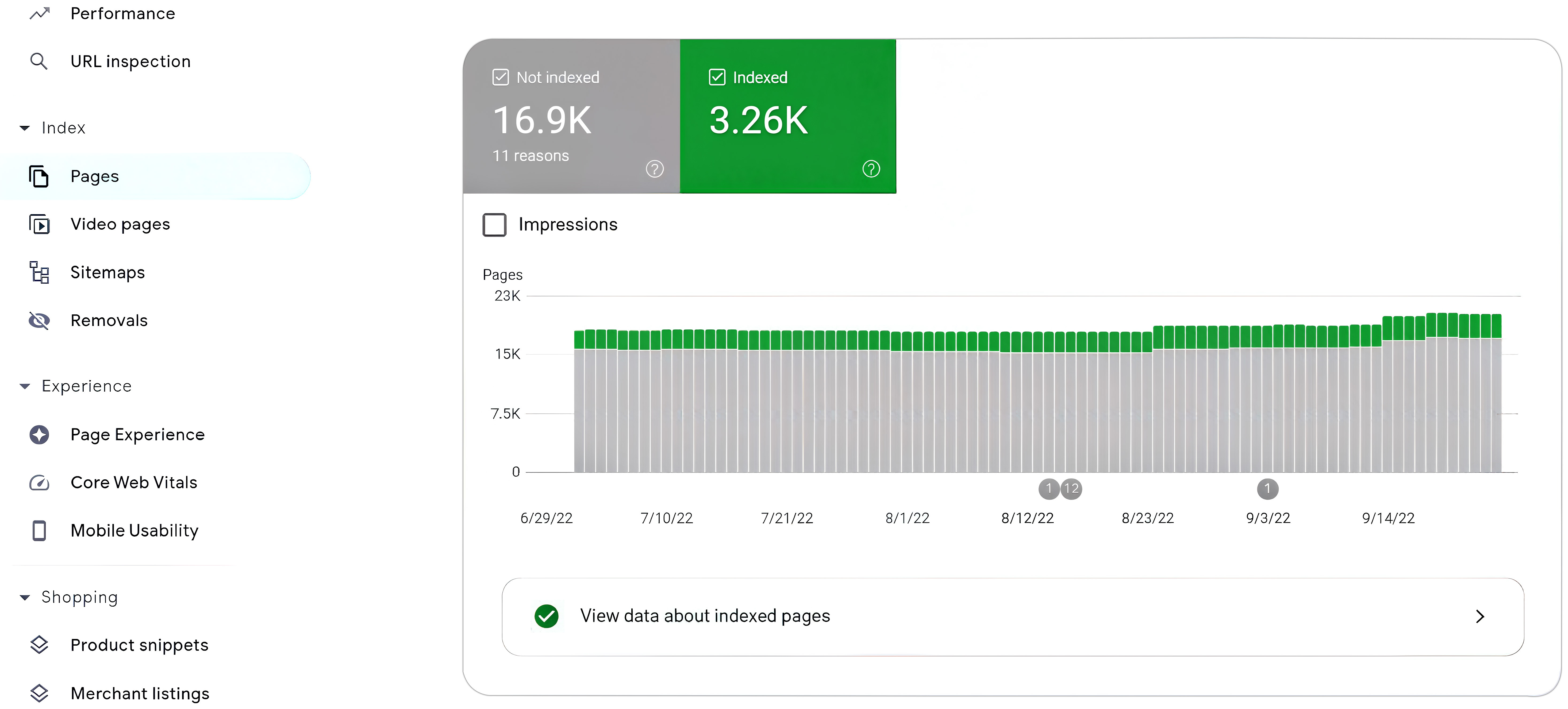
- Indexing & Crawlability Issues — Errors like “Crawled – currently not indexed,” duplicate URLs, or broken sitemaps prevent your best pages from appearing in search results.
- Broken Internal Linking Structure — Orphan pages, weak anchor pathways, and inconsistent linking make it harder for Google to understand your site’s hierarchy.
- Poor Mobile Experience — Layout shifts, broken buttons, and slow rendering hurt engagement and damage mobile-first rankings.
- Messy Site Architecture — Confusing URL patterns, deep folder structures, or duplicated paths dilute authority and disrupt topical relevance.
These issues cannot be fixed with more blogs or keyword tweaks. They require a structured technical SEO audit and expert implementation; the kind of disciplined work a skilled SEO agency handles while you focus on running your business.
Content and Local Visibility Gaps That Block Growth
Content is often where business owners feel most confident; until they realize that publishing more doesn’t automatically mean ranking more. If your articles rarely appear in the top 10 for meaningful queries, or you see post after post with almost no organic traffic, it’s a sign your content doesn’t line up with search intent. This is classic content, not ranking territory. It usually happens when topics aren’t mapped to specific keywords, pages don’t go deep enough to answer real questions, or formatting and optimization are treated as afterthoughts.
Local SEO visibility is another big gap, especially for service companies and brick-and-mortar brands. If your competitors dominate the local map pack while your listing is buried or missing entirely, you’re leaving money on the table. An incomplete or outdated Google Business Profile, inconsistent citations, and weak location pages all undermine your presence when users search “near me” or by city. At this point, most businesses realize they need local SEO help, not just basic content updates. This is where an experienced SEO agency for small business becomes invaluable, because they understand how to combine on-page optimization with strong local signals to boost visibility where it matters most.
To see how content and local gaps impact results, look at this quick comparison:
| Issue | What It Causes | What an Agency Fixes |
| Content not ranking | Low visibility | Intent-driven topics + smarter optimization |
| Weak local presence | Fewer local enquiries | GBP optimization + local landing pages |
| Thin service pages | Poor conversion rates | Deeper copy, proof elements, and UX improvements |
| No funnel-based content | Unqualified or cold leads | Awareness, comparison, and decision-stage assets |
A strong team not only fixes the gaps but builds a cleaner foundation that supports long-term visibility and better conversions. With the right technical structure in place, every piece of content you publish performs more predictably, and ranking improvements start compounding naturally. This is how technical stability turns into a competitive advantage, one that helps your brand stay visible even as algorithms evolve.
When It’s Definitely Time to Bring in an SEO Agency
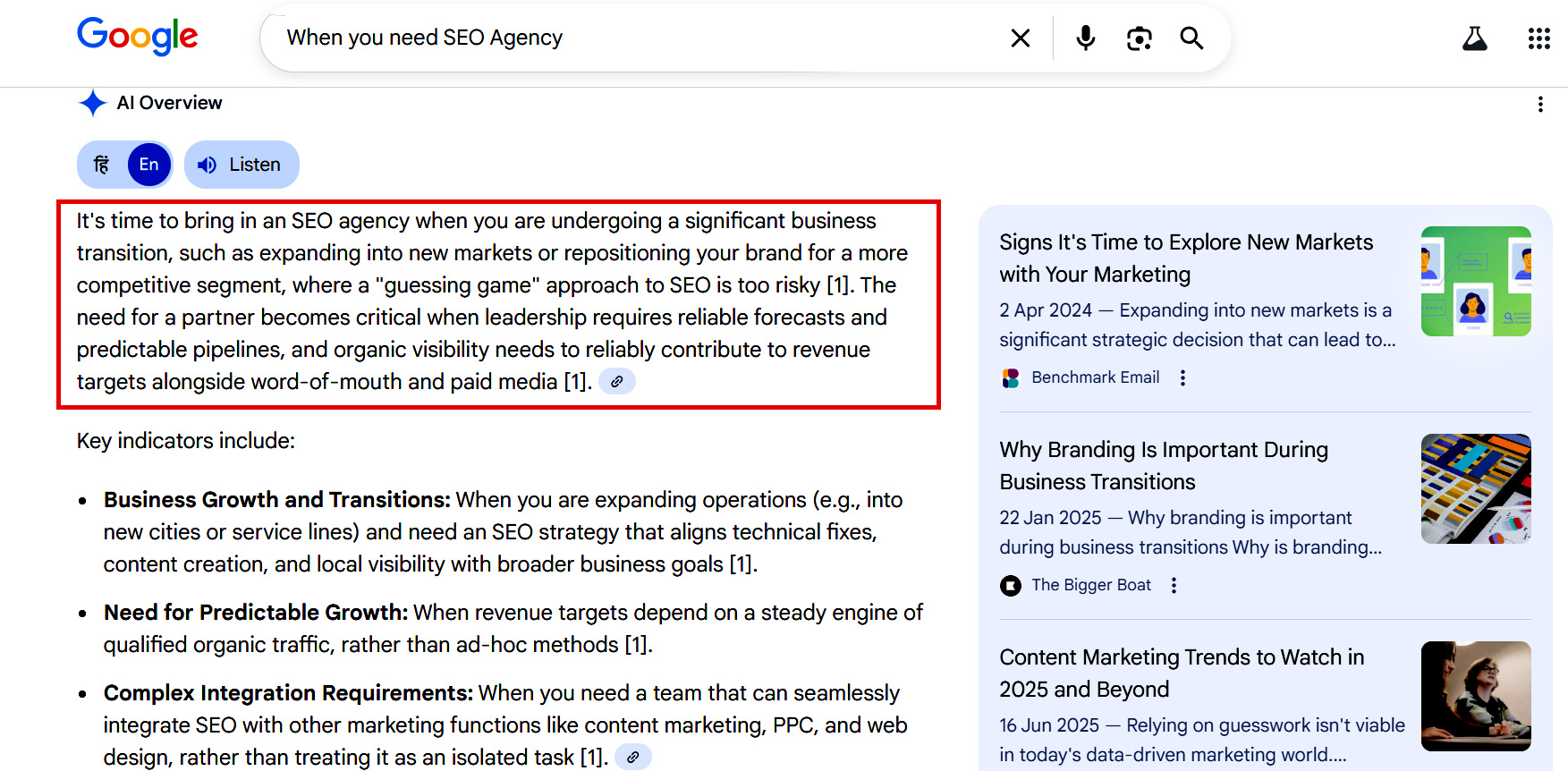
There’s a difference between “we should probably improve our SEO” and “we can’t afford not to get help.” The latter usually happens when you’re in a phase of clear transition or growth. Maybe you’re expanding into new cities, adding a new line of services, or repositioning your brand for a more competitive segment. In those situations, guessing your way through SEO is too risky. You need a partner that can align technical fixes, content, and local visibility with your broader business goals; that’s when many companies decide to hire an SEO company support rather than patch things internally.
Another critical moment is when leadership begins to ask for reliable forecasts and predictable pipelines. If your revenue targets depend on more than word of mouth and paid media, you need organic visibility to pull its weight. SEO won’t turn into an overnight goldmine, but done right, it becomes a steady engine of qualified traffic. This is also when integration matters. You don’t just want a vendor doing isolated tasks; you want a team that understands how SEO interacts with your content marketing, your PPC strategy, and your web design choices. At that point, the question isn’t whether you need help; it’s which SEO partner can truly own this channel with you and drive compounding results over time.
How to Choose the Right SEO Agency
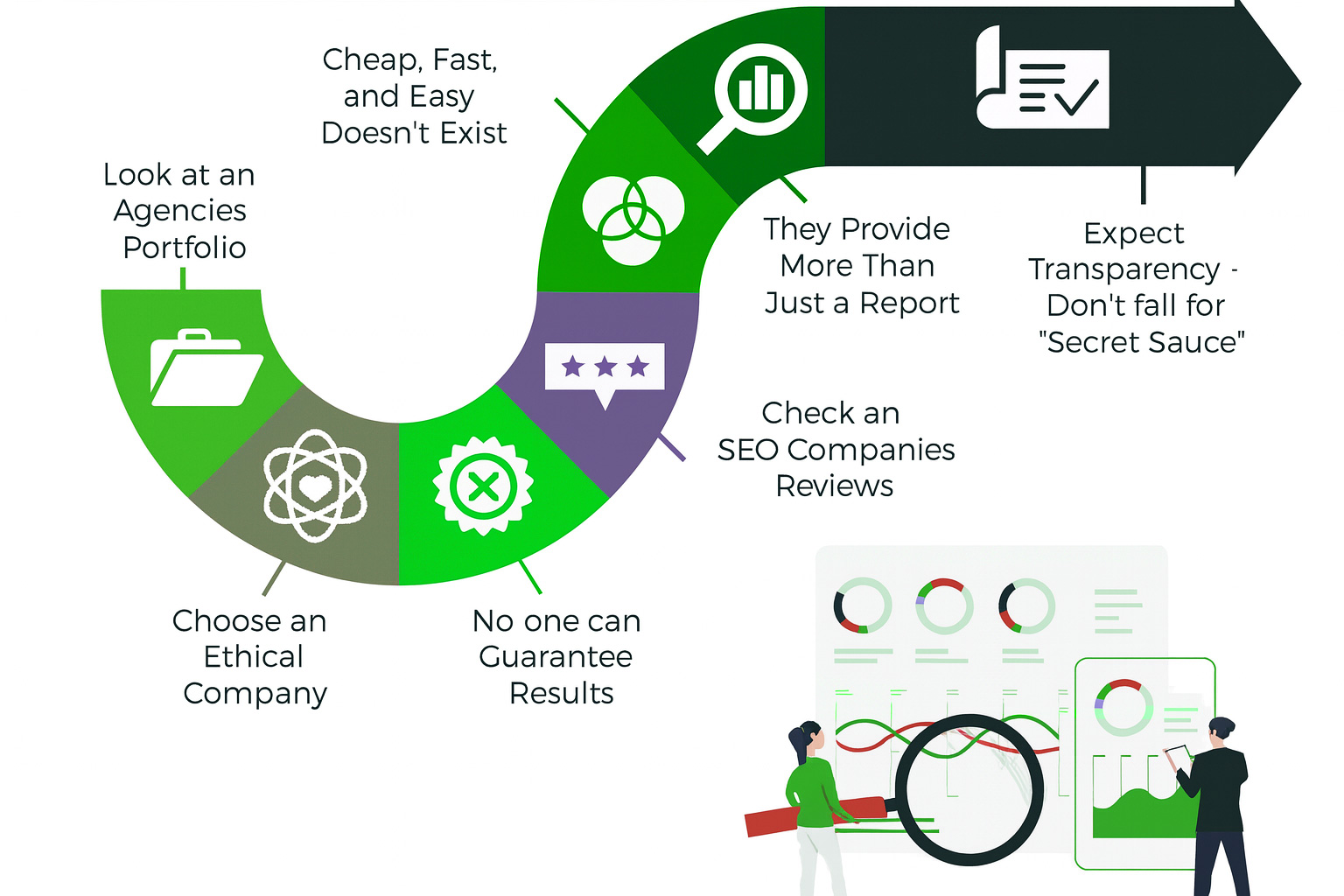
Once you’ve accepted that you need outside help, the real challenge begins: choosing an SEO agency you can trust. On the surface, many agencies sound similar. They all talk about rankings, traffic, and “proven frameworks.” But beneath the pitch, strong agencies distinguish themselves by process, transparency, and the depth of their expertise. They can walk you through how they approach audits, keyword research, technical clean-up, content planning, and link acquisition, and they do it in clear language, not just jargon. They present real case studies with specific outcomes rather than vague “success stories.”
Price can be a misleading filter, too. Extremely cheap offers are almost always a red flag, especially if they promise guaranteed Google ranking jumps or rapid results. On the other hand, a fair investment with clearly defined deliverables, timelines, and reporting standards usually signals a team that takes accountability seriously. Communication is another important test. Good agencies are proactive, structured, and accessible. You should never feel like you’re chasing updates or wondering what’s happening behind the scenes.
Quick Comparison When Choosing an SEO Agency
| Factor | Strong Agency | Weak Agency |
| Strategy | Documented, tailored, long-term SEO strategy | Generic, one-size-fits-all |
| Reporting | Clear, metrics-driven, regular | Rank-only screenshots |
| Team Structure | Dedicated SEO, content, and technical specialists | One overworked generalist |
| Pricing | Transparent and aligned with scope | Confusing, suspiciously low, or undefined |
| Communication | Proactive, scheduled, accountable | Slow, reactive, or unclear |
Having this lens helps you separate polished sales talk from real operational maturity. It also protects you from agencies that rely on generic playbooks instead of real expertise. When you know what to look for, you stop choosing based on promises, and start choosing based on proof, structure, and long-term fit.
Questions to Ask Before Hiring an SEO Agency
Before you sign any contract, the questions you ask will reveal whether the agency is built for long-term value or short-term churn. Start with their overall approach to SEO strategy. Ask how they balance technical work, on-page optimization, content, and off-page efforts, and how they adapt their methodology for different industries or business models. You’re not looking for a magic formula; you’re looking for evidence that they understand the moving parts and know how to prioritize them for your situation.
Next, dig into how they measure success. Rankings matter, but they’re not the final destination. A serious agency talks about conversions, qualified leads, revenue influence, and user engagement; not just position changes. Ask about their typical timeline for early wins and stronger traction. While no one can promise exact outcomes, experienced teams can outline realistic phases: SEO audit, foundation fixes, content rollout, and expansion. Finally, ask who you’ll actually be working with. You want to know whether you’ll have access to strategists and specialists or only to an account manager relaying messages. The more open and specific their answers, the easier it is to trust them as a genuine SEO partner.
Making the Most of Your SEO Partnership
Hiring an agency isn’t the finish line; it’s the starting point of a partnership that works best when both sides are engaged. To get full value from professional SEO services, you need to be transparent about your goals, constraints, and expectations from day one. Are you trying to drive more demo requests, phone calls, store visits, or online purchases? Which services or locations matter most? Clear priorities help the agency design a roadmap that supports actual business outcomes rather than vanity metrics.
Regular communication keeps the relationship productive. Monthly or bi-weekly calls, structured reports, and open feedback loops make it easier to adjust tactics as you learn what works. SEO is not static, and the best results come when you treat it as an ongoing experiment; test, measure, refine, and repeat. Over time, the compounding effect becomes visible: stronger rankings, more qualified traffic, better local presence, and higher conversion rates. When both your internal team and your external SEO agency operate in sync, your website evolves from a digital brochure into a dependable, scalable growth asset.
In Essence
You don’t need an agency just because “everyone else has one.” You need one when your current efforts stop moving the needle and the gap between you and your competitors widens. The most important signs you need an SEO agency include stagnant or declining traffic, weak rankings for high-intent keywords, unresolved Google ranking issues, technical SEO problems you can’t diagnose, content that doesn’t perform, and internal bandwidth that simply isn’t enough to manage SEO at the level your market now demands. Ignoring those signals usually means paying more later; either in lost opportunity or emergency fixes.
Choosing an SEO agency is less about chasing big promises and more about evaluating process, transparency, and alignment with your goals. When you work with a team that understands how organic search connects to your brand, your offers, and your other marketing channels, SEO becomes more than a checklist. It becomes a reliable growth engine that continues to work long after individual campaigns end.
Ready to Turn These Signs Into a Growth Plan?
If you’re ready to stop guessing and start scaling, partner with an SEO provider that treats your growth like a shared mission; not a monthly deliverable. eSign Web Services brings the strategy, structure, and execution you need to outrank competitors who’ve been ahead for too long.
Reach out today and let’s build an SEO roadmap that doesn’t just help you catch up, it puts you confidently ahead of the competition.
Frequently Asked Questions
Author Details

Ashwani Kumar Sharma
Ashwani has been actively involved in SEO services since 2005. His expertise and distinctive work approaches have made him one of the most experienced and trusted SEO experts in the industry. He is a certified SEO and Google Ads professional. He also has strong business development skills in advanced SEO, PPC, and digital marketing strategies.


