



8 Social Media Content Ideas for Small Businesses on a Budget

Key Takeaways
- Authentic, unpolished content consistently outperforms high-budget visuals by building trust, relatability, and stronger emotional connections.
- Consistency matters more than posting daily; a realistic, repeatable schedule drives long-term engagement and brand recall.
- Free and native tools like Canva and Creator Studio make content creation affordable, efficient, and scalable.
- Repurposing existing blogs, emails, and testimonials maximizes reach while saving time, effort, and marketing spend.
- User-generated content strengthens credibility, boosts visibility, and turns customers into powerful brand advocates organically.
- Engagement metrics like saves, shares, and comments reveal true performance better than follower counts alone.
In today’s scroll-happy digital world, generating attention on social media depends more on how well-thought-out your approach is than how much money you have. Small businesses frequently believe they can’t compete with the luxurious, high-profile content that floods TikTok and Instagram. The truth is that, more often than you might imagine, personality, consistency, and clever narrative work better than professional advertisements.
Instead of ads, consumers need a connection. Instead of gloss, they are attracted to genuineness. Therefore, if you’ve been delaying creating content because you believe you need a graphic designer, a cameraperson, and a five-figure advertising budget, you should definitely reconsider. From iPhone shot behind-the-scenes reels to reposted customer love, content that feels real often wins hearts and wallets. This is exactly why digital marketing works best when strategy and authenticity come before spend.
This article will explain, through eight effective, easy-to-implement social media content ideas, how to create budget-friendly social media tips. Whether you’re a one-person brand or managing multiple client accounts, these ideas will help you boost visibility, engagement, and conversions, without breaking the bank.
Why Budget Content Often Outperforms “Polished” Posts
Here’s a surprising truth: high-budget material may sometimes lower engagement.
Ads with a lot of production value feel like propaganda. Additionally, they frequently fall short unless you’re executing a paid campaign or a product launch. They are ignored by audiences who see it as just another sales pitch. On the other hand, informal images and low-fidelity movies seem more authentic, particularly when they showcase your team, beliefs, or culture. Being human is the cornerstone of affordable social media marketing.
A behind-the-scenes clip filmed on your phone? That might outperform your best studio-shot post. Why? Because people relate to people. Viewers are more likely to pause for a raw, relatable story than a sterile promo. On Instagram, TikTok, and even LinkedIn, imperfect often equals impactful.
You build media visibility and trust on social media when people feel like they’re getting a glimpse into your life rather than just another ad. The more real you are, the more likely your brand will be remembered and supported.
Content Idea #1: Behind-the-Scenes Moments
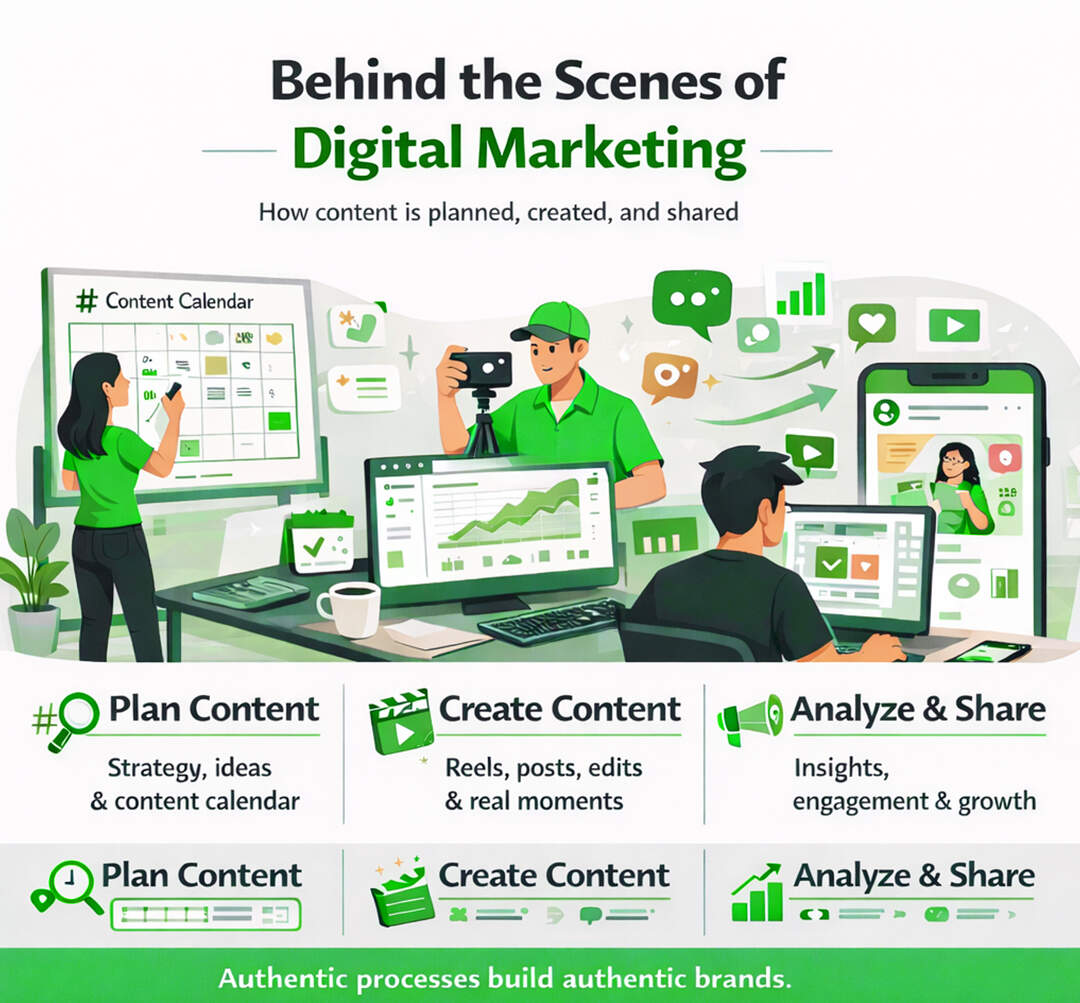
What does your business actually look like when no one is watching? That is the content people stop for. A Monday setup, a last-minute client request, the first draft of a new product, or the calm routine before the rush all tell a story. Behind-the-scenes posts make your brand feel real by showing the process, not the polish. They also build trust faster than “perfect” graphics, because viewers can sense what is genuine.
Use short phone clips, quick photos, boomerangs, or simple story highlights to capture the day-to-day without overthinking it. Show packaging, prep work, a small mistake and how you fixed it, or the little moments that shape your work. Add a poll, a question sticker, or a “vote on the next option” prompt. It turns passive viewers into participants and gives you easy ideas for tomorrow’s content.
Simple behind-the-scenes angles you can rotate weekly:
- Packing and dispatch “mini-timelapse”
- A quick “tool of the day” or “product ingredient” close-up
- A 10-second before/after workspace setup
- A fast “what we’re working on this week” clip
- Customer order highlights (with names blurred if needed)
- A small lesson learned from a mistake or delay
Did you know? Behind-the-scenes content often performs well because it triggers curiosity and keeps viewers watching longer. Platforms tend to reward posts that hold attention, so even a simple 8–12 second clip showing a real process can outpace a highly edited promo.
When used consistently, this becomes a reliable part of your social media content strategy and makes your brand feel human rather than corporate. Behind-the-scenes content performs especially well on Stories and Reels because it fits the casual format people expect there. It is one of the simplest ways to grow small business online without spending on ads, because it builds community, familiarity, and trust over time.
Content Idea #2: Reviews, Testimonials, and Real Feedback
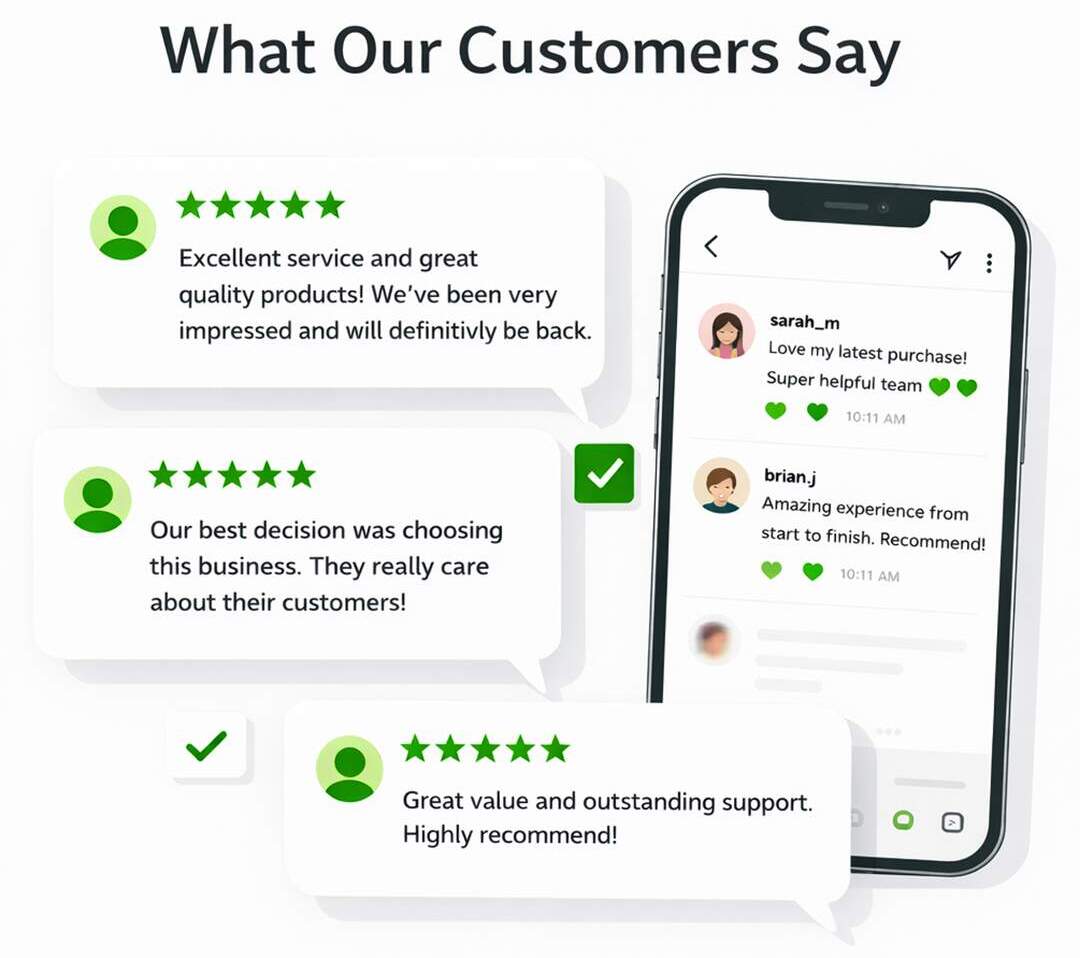
Social proof builds instant credibility for small businesses. Sharing screenshots of positive reviews, short customer testimonials, or real feedback messages helps potential buyers trust your brand faster. Reviews offer quick reassurance, testimonials explain outcomes in more detail, and real feedback adds authenticity. Use free tools like Canva to turn quotes into clean visuals or carousels. Asking for feedback through follow-up emails or review links keeps this content flowing without extra cost or effort.
1) Reviews (Quick Trust Triggers)
Reviews work because they are quick to scan and easy to trust. A short Google review, a Yelp comment, or a simple 5-star rating screenshot can act as an instant reassurance for someone who is still undecided. People want proof without effort, and reviews deliver that clarity in seconds. When shared consistently, they reduce hesitation and build confidence before a customer ever clicks a link or sends a message. The goal is not persuasion, but immediate comfort and credibility.
Low-effort review formats that look premium:
- “Review of the Week” graphic (one line + star rating)
- Carousel: 3 reviews, each answering a different concern (price, service, quality)
- Story stack: review screenshot + “Want this result?” poll
- Pinned post: “Start here: What customers say”
2) Testimonials (Story-Based Persuasion)
Testimonials go deeper than reviews by telling a complete story. They explain why someone chose your business, the problem they were facing, and what improved after working with you. This context helps potential customers see themselves in the same situation. Because testimonials feel like short, real-world case studies, they build emotional trust, not just surface-level confidence. This makes them especially effective at turning hesitant or cold audiences into warmer leads who are closer to making a decision.
Innovative testimonial angles:
- “Before / During / After” carousel (3 slides, simple and powerful)
- “Customer Voice” Reel: selfie clip + captions + one takeaway line
- “Myth vs Reality” post using a customer quote (“I thought it would be…” / “It was actually…”)
- “Outcome Snapshot”: problem → process → result (3 bullets in the caption)
Did you know? Testimonials that mention a specific outcome (time saved, stress reduced, faster delivery, clearer results) usually convert better than “great service” testimonials.
3) Real Feedback (Raw Proof That Feels Human)
Real feedback works precisely because it is not polished. Direct messages, email snippets, story replies, comments, or repeat-customer notes feel natural and unscripted. These everyday interactions show how people actually experience your business, not how you market it. Sharing this type of feedback is especially powerful for social media for small businesses, as it signals that your brand is active, responsive, and genuinely trusted. It also supports low-cost marketing strategies by turning real conversations into credible content without additional production or advertising spend.
Real feedback formats that feel fresh:
- “DM Wall” carousel: blur names, highlight key lines, keep it clean
- “Comment Spotlight”: screenshot a comment + your reply underneath
- “Customer Questions” story series: question → your answer → a follow-up message
- “Behind-the-review”: show the message that led to the final review (with permission)
Did you know? Feedback posts often earn more saves and replies because they feel like a real conversation, not a planned campaign.
Quick Rule to Make All Three Work Better
Always pair social proof with a light, non-salesy prompt:
- “Want to see more results like this?”
- “Curious what this looked like behind the scenes?”
- “Should we share more customer stories like this?”
That keeps it interactive, builds engagement, and makes your proof feel like community—not marketing.
Content Idea #3: Educational Tips & Quick How-Tos
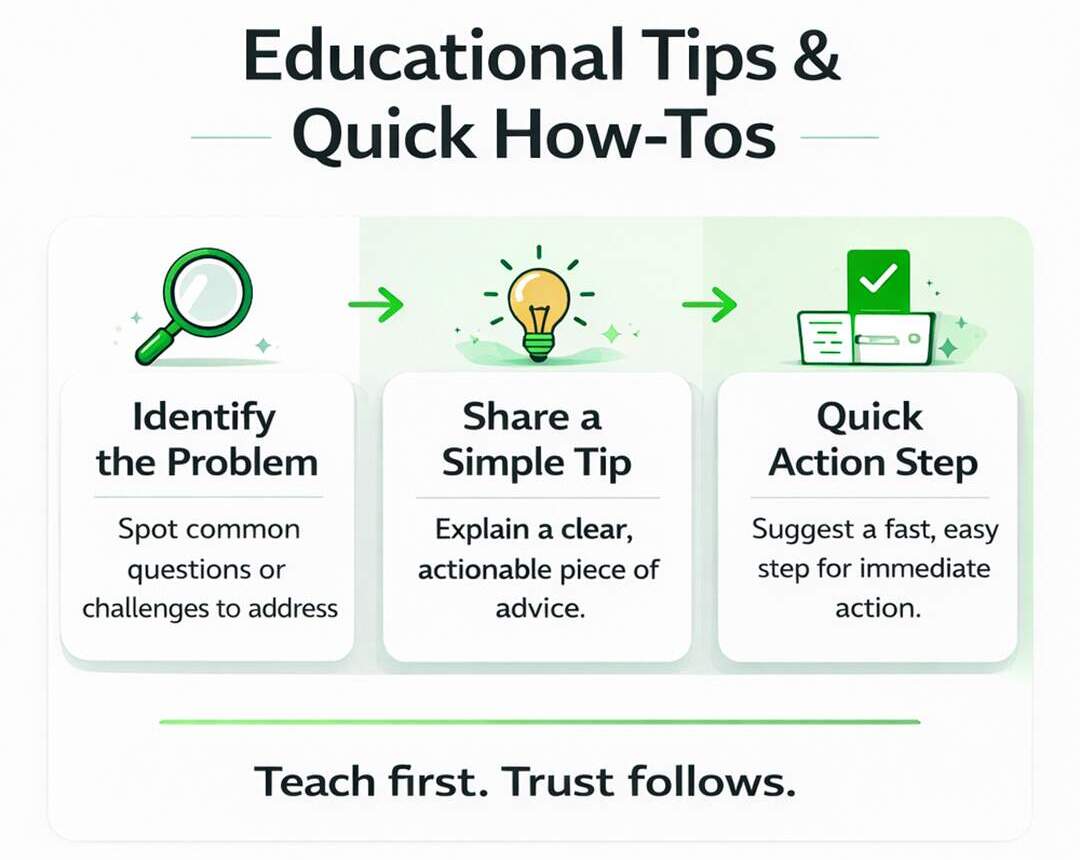
Teach, don’t just tell. One of the fastest ways to earn attention and trust on social platforms is to solve a small problem before asking for anything in return. Educational content does exactly that. Instead of selling, it helps. Instead of pushing, it guides. This is why educational posts sit at the core of an effective social media content strategy. When people learn something useful from your page, they are far more likely to remember your brand and return when they are ready to take action.
Start by breaking your product or service into simple, bite-sized lessons. A bakery might share “How to know when your dough is overproofed,” while a consultant could post “How to structure your first pitch in three steps.” A service business might explain “How to prepare before booking a provider” or “What to check before making a decision.” These posts work best when they are clear, specific, and easy to apply.
Use short reels, swipeable carousels, or single-image tips to deliver value quickly. For example, a carousel could explain “3 mistakes to avoid,” followed by a final slide with a quick takeaway. A reel might show a simple before-and-after or a step-by-step process in under 20 seconds. These formats encourage saves and shares, which help your content reach more people organically.
Did you know? Posts that get saved and shared often stay visible longer in feeds. That makes educational content one of the most dependable social media content ideas for building authority, engagement, and long-term visibility without spending on ads.
Content Idea #4: Before-and-After Results
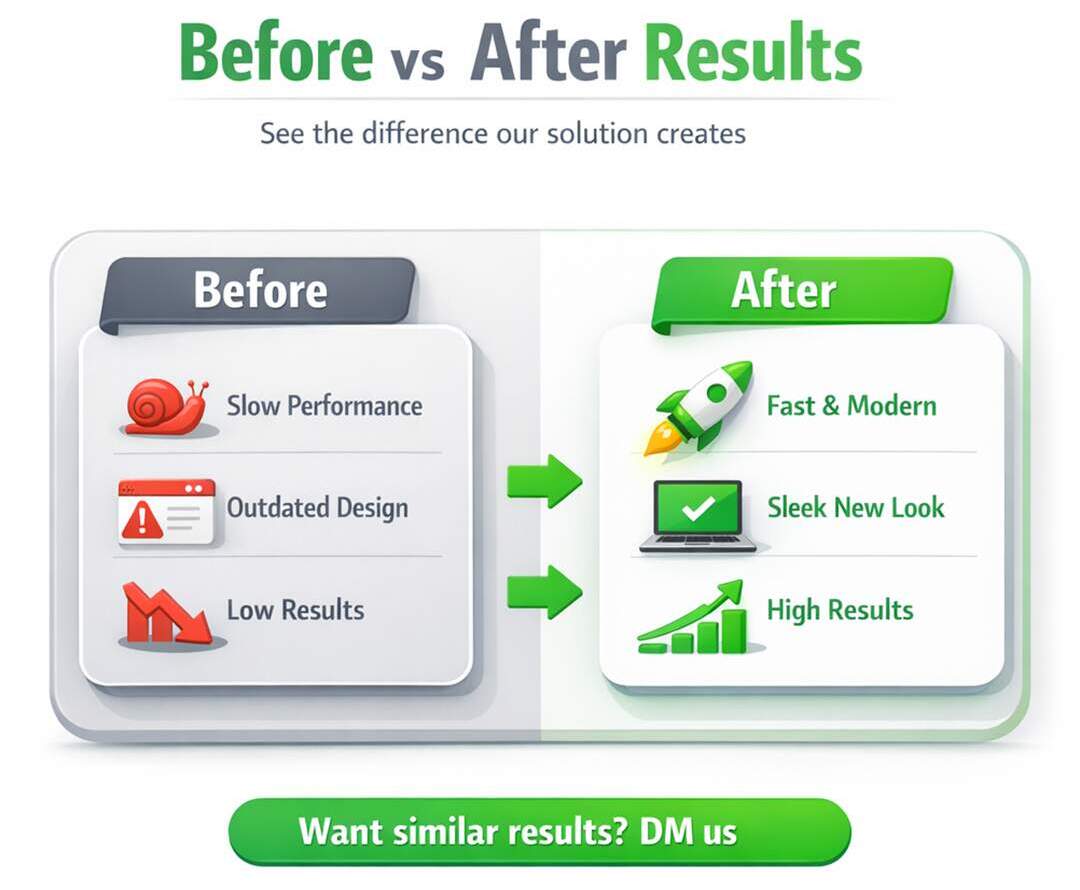
Few content formats stop the scroll as reliably as transformation. Before-and-after posts work because they show progress instantly, without needing long explanations or persuasion. Whether it’s a redesigned website, a home makeover, a fitness transformation, or a process improvement, this format answers a viewer’s biggest question in seconds: what changed, and why does it matter? When done well, before-and-after content builds trust by replacing claims with visible proof, making it one of the most effective ways to communicate value without sounding sales-driven.
Before: Set the Context Clearly
The “before” stage should focus on the real problem. Show the starting point honestly, whether it’s clutter, low performance, outdated visuals, or inefficiencies in a process. Relatability matters here. Viewers should recognize the situation and think, “That looks familiar.” Avoid exaggeration. A realistic baseline makes the transformation feel achievable and credible rather than staged.
After: What Changed and Why It Matters
- A clear visual improvement that is easy to notice at a glance
- Better functionality, usability, or appearance compared to before
- Reduced time, effort, or friction in the process
- Results that feel practical and attainable, not overpromised
- Customer feedback or outcomes that validate the change
This contrast-driven approach strengthens content creation for small businesses by letting results speak louder than captions. Adding a short explanation of the timeline and outcome turns a simple visual into a complete story. On platforms like Facebook, Instagram, and Pinterest, this style of visual storytelling performs especially well and creates a natural opening for soft calls to action, such as inviting viewers to message for similar results.
- Fun fact: Before-and-after content often keeps viewers engaged longer because the brain naturally wants to compare outcomes. That extended attention increases the chances of saves, shares, and profile visits—signals that help boost reach organically.
Content Idea #5: User-Generated Content (UGC) and Community Posts
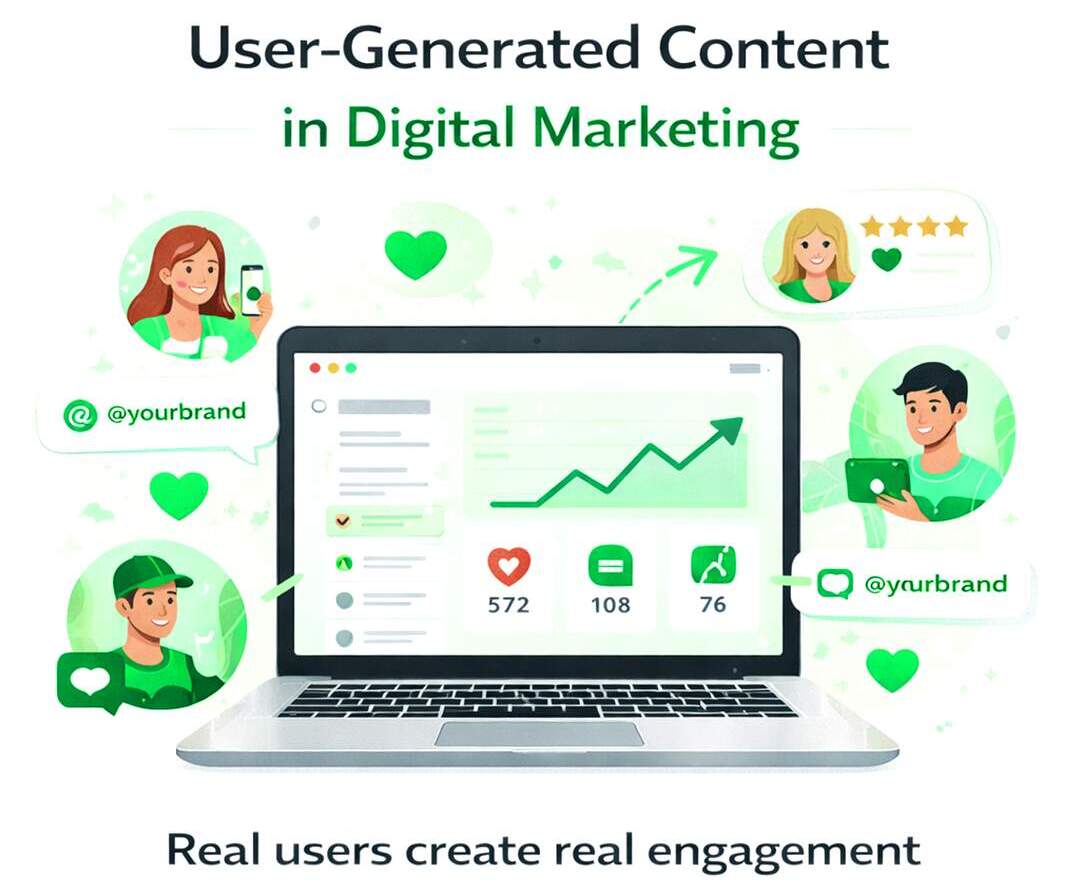
User-generated content (UGC) isn’t just a nice-to-have—it’s one of the most budget-friendly social media tips that delivers credibility, reach, and engagement in one swoop. When your real customers share stories, photos, or even reviews, it creates powerful word of mouth. These posts feel more trustworthy than branded ads, especially in a world oversaturated with polished campaigns. Whether it’s a photo of your product in use or a customer tagging your business in their story, that’s free content you can reshare and amplify across your channels.
The beauty of UGC is its ability to foster connection. Small businesses thrive on community, and celebrating your followers helps reinforce loyalty while boosting your social media visibility. You can prompt UGC by running fun challenges, offering giveaways, or simply asking questions like “How do you use [product] in your daily life?” Then, when you share those responses, you’re not just showcasing a product—you’re celebrating your customers. It’s a form of affordable social media marketing that creates genuine engagement.
Many platforms reward these organic interactions. Instagram’s algorithm favors posts with high engagement, while Facebook groups or comment threads can organically build reach when your fans chime in. Always get permission before reposting, and give credit to the creator. Encourage reviews, testimonials, and real moments that reflect the value your brand offers. Over time, this builds a visual archive of authenticity. And remember, you’re not just creating content—you’re curating a community that markets for you.
Content Idea #6: Stories for Daily Visibility
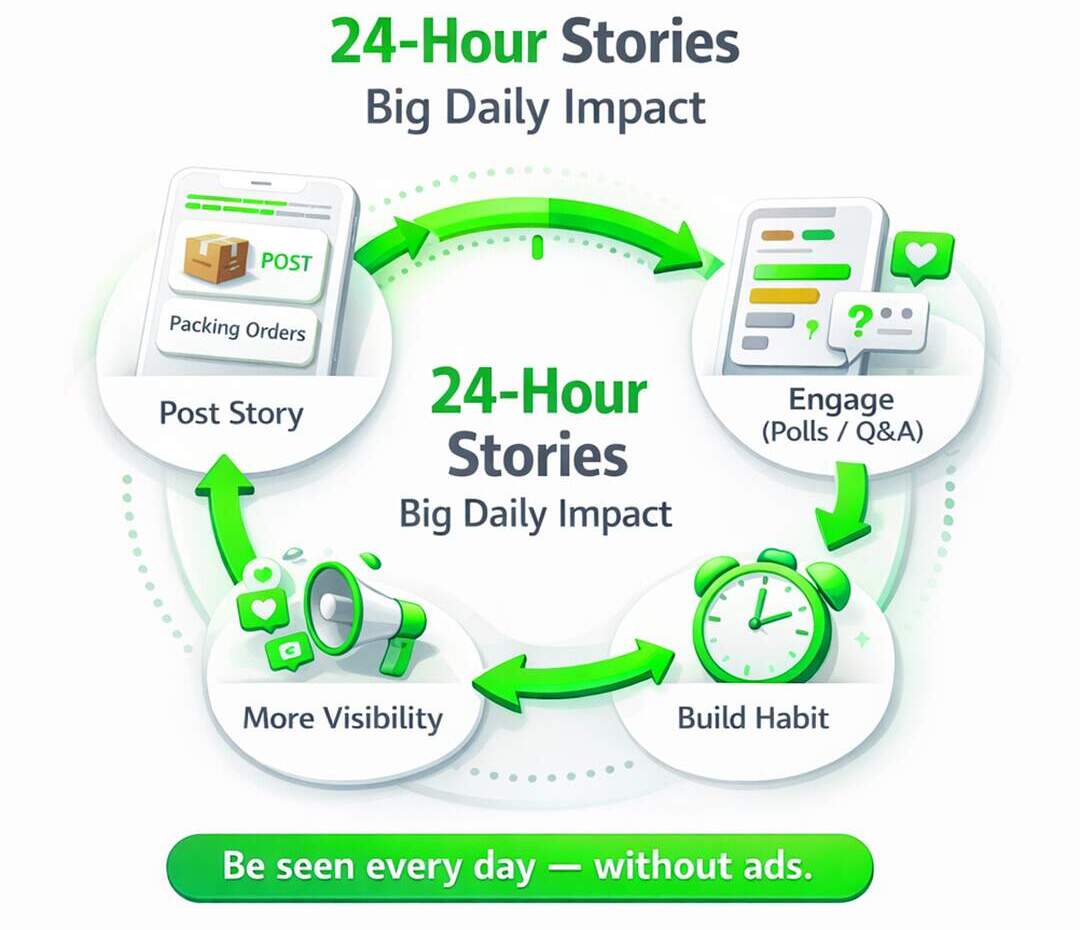
Stories on social platforms offer small businesses a simple way to stay visible without heavy production or constant posting pressure. Because they appear first in the feed and disappear quickly, stories encourage frequent sharing that feels natural rather than forced. This makes them one of the most effective low-cost marketing strategies for maintaining daily presence, testing ideas, and building familiarity through short, informal updates that reflect real moments from your business.
Here’s a clean, point-based version that keeps the message sharp, informative, and aligned with your keywords—ready to paste:
Stories for Daily Visibility
- Stories on Instagram and Facebook are powerful low-cost marketing strategies because they sit at the top of the feed, disappear in 24 hours, and don’t require polished production. This makes them ideal for small businesses that want frequent visibility without creative burnout.
- Sharing everyday moments like order packing, event prep, sneak peeks, or casual team updates fits naturally into a sustainable social media content strategy focused on consistency rather than perfection.
- Interactive features such as polls, sliders, Q&As, and links turn passive viewers into active participants. This steady interaction helps nurture warm leads, improve engagement metrics, and keep your brand top-of-mind without paid promotion.
- Stories are also perfect for experimentation. Because they are temporary, you can test content ideas, messaging, or formats before committing them to permanent posts or campaigns.
- Use Highlights to extend the life of your best stories. Organizing them into Categories like “Behind-the-Scenes,” “Tips,” or “Customer Love” helps new visitors quickly understand your brand and builds trust from the first profile visit.
- Over time, daily stories create a rhythm. This consistent presence makes your business feel approachable, real, and reliably part of your audience’s routine—exactly what long-term visibility depends on.
When used consistently, stories become more than temporary posts—they become a habit your audience expects. By focusing on simple updates, interactive features, and organized highlights like Behind-the-Scenes, Tips, or Customer Love, businesses can strengthen their social media content strategy without increasing spend. Over time, this steady rhythm builds trust, improves engagement, and keeps your brand present in everyday scrolling moments where real connections are formed.
Content Idea #7: Founder and Team Stories
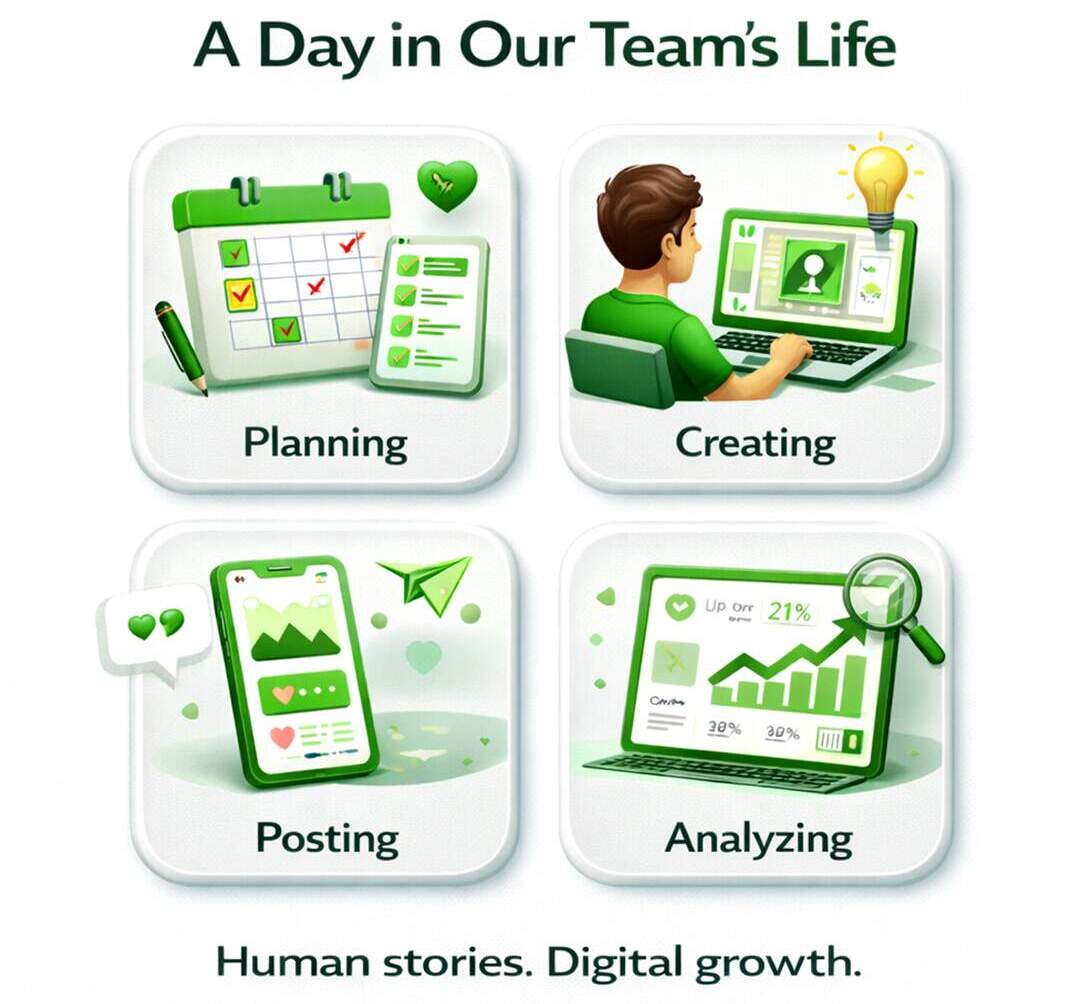
People follow people, not logos. You can significantly humanize your brand by sharing anecdotes about the founder, staff, or behind-the-scenes moments from your team. In fact, this type of content creation for small businesses often outperforms ads because it builds an emotional connection with audiences. Share why your founder started the company, what challenges your team has overcome, or spotlight team members with fun bios or “a day in the life” features.
This approach works especially well for local brands, service providers, and artisans. Your audience wants to see the hands and faces behind making a product. Your company feels more intimate when team members post on social media. It increases conversions and fosters trust. In a sea of corporate monotony, these authentic narratives—from Instagram carousel pictures that chronicle your journey to TikTok’s brief introductions—create captivating moments.
And yes, it’s budget-friendly; no fancy cameras needed. Candid shots, smartphone videos, or even short text-based posts work. Try pairing founder quotes with a photo, or recording a quick message about a recent win or challenge. These posts can boost social media engagement tips by prompting comments and shares. “I love how real this is,” or “This is why I buy from you!”—these are the responses that deepen loyalty. It’s not just marketing; it’s storytelling with purpose.
- Real-life example of founder and team story that work:
A short post from the founder sharing why the business was started and what the first year actually looked like. Talk about one challenge that nearly made you quit, how you pushed through it, and what keeps you going today. Pair it with a candid photo of you at work or a simple selfie video.
Content Idea #8: Reuse & Repurpose Existing Content
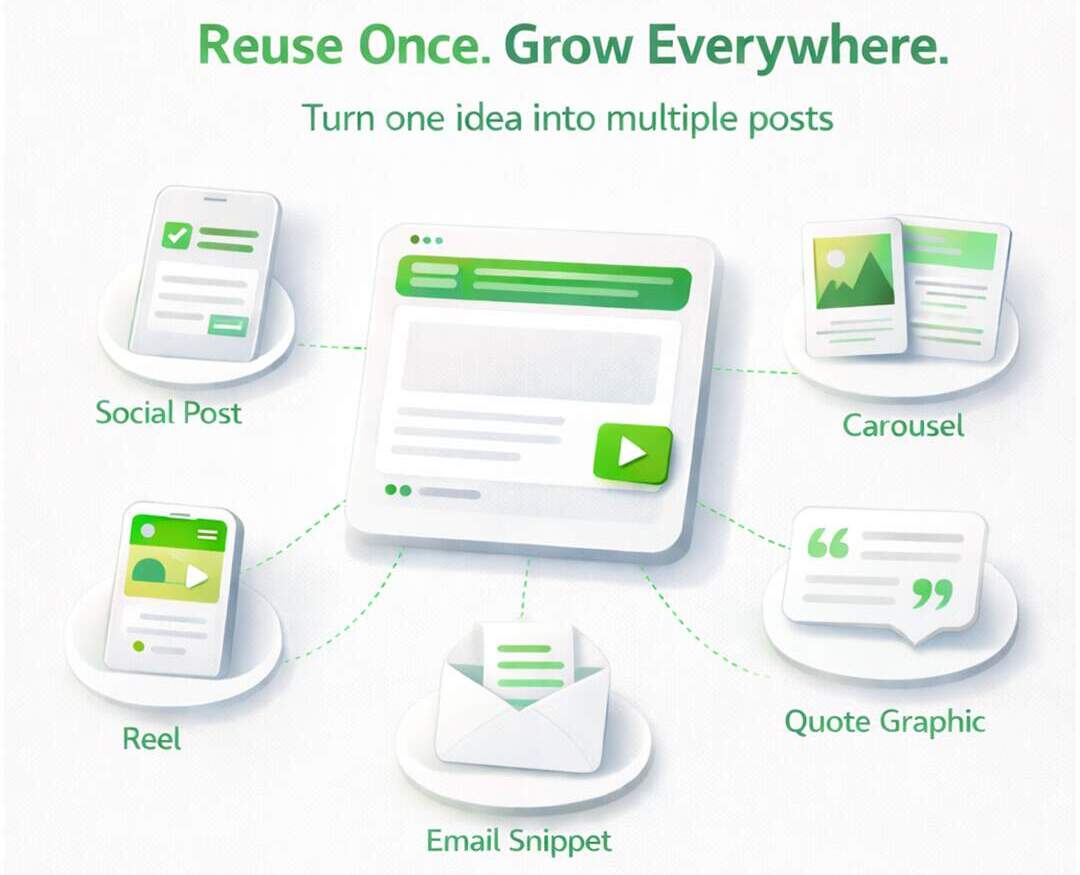
Think of your content like a kitchen pantry. Before running to buy more ingredients, see what you already have. Repurposing is one of the smartest social media content ideas for businesses on a budget. If you write a blog post, you can turn parts of it into social media captions. And if you host a webinar, clip 30-second highlights to make reels. That email campaign? Turn key takeaways into carousels or quote graphics.
Repurposing stretches every piece of content you’ve worked hard to create. It gives you more mileage with less effort—exactly what social media for small businesses needs. It also reinforces your messaging across channels, improving recall and consistency. A single customer testimonial can become a Facebook post, a story, a quote image, and a case study snippet. When you plan content with repurposing in mind, your strategy becomes leaner and smarter.
Tools like Canva, Descript, and repurpose.io make it easier to break down and remix content into new formats. This is also where scheduling platforms shine—they let you plug repurposed content into weeks without reinventing the wheel daily. In the end, your best-performing content isn’t always new—it’s often what’s been polished and reshared at the right time. Repurposing is the backbone of a sustainable, budget-friendly social media tip stack that works in the long term.
How to Create a Budget-Friendly Social Media Content Plan
Start by identifying what your audience cares about and what content types you can consistently create. Then, map those ideas to a basic weekly calendar—like BTS Mondays, Testimonial Tuesdays, How-To Thursdays. Consistency trumps quantity.
Use free tools like Canva for graphics, CapCut for video edits, and Meta’s Creator Studio or Buffer for scheduling. Stick to a repeatable workflow, so you spend less time figuring things out and more time creating.
Align your social media for small businesses strategy with broader goals—whether it’s awareness, engagement, or sales. Measure what performs, double down on winners, and trim the fluff. Please keep it simple, scrappy, and smart.
Common Mistakes Small Businesses Should Avoid
Avoid being too promotional. If every post feels like a sales pitch, engagement will drop. Focus on value: entertain, educate, or inspire. Keep offers occasional and meaningful.
Don’t post and ghost. Show up in comments, reply to DMs, and engage back. Social media isn’t just a megaphone—it’s a conversation. Algorithm rewards come with interaction.
Also, skipping analytics is costly. You can’t improve what you don’t measure. To grow small business online, track engagement, reach, and save. Adjust content based on insights, not assumptions.
Wrapping Up with Impact
Small budgets don’t hold you back—they push you to create content that’s more human, more honest, and more relatable. While larger companies often get lost behind polished branding and high-production campaigns, small businesses have something far more powerful: proximity. You’re closer to your customers, more accessible, and better positioned to tell stories that actually matter.
Whether it’s a quick behind-the-scenes reel, a testimonial from a satisfied client, or a five-second story that captures a daily win, social media content ideas built on authenticity will always outshine staged perfection. Platforms like Instagram, TikTok, and even LinkedIn now favor realness. That’s your edge.
Instead of chasing every trend, small brands can focus on meaningful engagement. Comment back. Reshare a customer’s post. Share your journey, wins, and lessons learned. This is where connection happens—and connection converts.
Consistency will always beat complexity. You don’t need to post every day, but you do need to show up with intention. Over time, this builds visibility, trust, and a community that’s ready to support and grow with you.
And remember, it’s not about reaching everyone; it’s about reaching the right ones with content that feels real, timely, and useful.
Turn Strategy Into Growth with Esign Web Services
Ready to stop guessing and start scaling? At Esign Web Services, we help small businesses craft low-cost, high-impact content strategies that build trust and drive results. Let’s audit your existing content and design a roadmap that fuels growth without draining your budget.
Book Your Free Discovery Call Now →
Frequently Asked Questions
Question: How often should small businesses post on social media?
Answer: Consistency is far more important for small businesses than daily posting. Three to five high-quality posts a week on the platforms that are most important to your audience is a reasonable objective. While daily posting that wears you out typically results in inconsistency, posting less frequently but making frequent appearances fosters familiarity and trust. Establish a timetable that you can stick to over time. You can progressively increase frequency without compromising quality once your process is comfortable.
Question: Which social media platforms work best for small businesses on a budget?
Answer: For small businesses, consistency is far more crucial than daily posting. It’s reasonable to aim for three to five excellent posts per week on the platforms that matter most to your audience. Posting less frequently but making frequent appearances promotes familiarity and trust, whereas daily posting that wears you out usually leads to inconsistency. Make a schedule that you can follow over time. Once your process is comfortable, you can gradually increase frequency without sacrificing quality.
Question: How can small businesses measure the success of their social media content?
Answer: Success is more than just having a large number of followers. Since they indicate sincere interest, please pay close attention to engagement signals such as comments, shares, saves, and direct messages. Use analytics tools to monitor website visits from social media sites to determine whether content motivates action. Customers mentioning your social media posts or finding your company on Facebook or Instagram are important offline indicators as well. These indicators often reveal effects before changes in sales figures.
Question: What tools can help small businesses create content without hiring professionals?
Answer: Most small businesses already have the most powerful tool they need: a smartphone. Modern phone cameras produce content that works perfectly on social media. Free tools like Canva help with design, while CapCut or built-in editors handle basic video edits. Scheduling tools such as Buffer or Meta Creator Studio help you stay consistent. These tools require learning time, not money, making them ideal for budget-conscious teams.
Question: How long does it take to see results from social media marketing efforts?
Answer: Social media is a long-term strategy rather than a quick fix. If you post regularly, you might see increased engagement in the first month, but significant business outcomes typically take three to six months. It takes time to establish community, visibility, and trust. Prioritize interaction and relevance over quick sales in the beginning. When audiences feel connected to your brand, conversions tend to follow naturally.
Question: Is it okay to reuse the same content across platforms?
Answer: Yes, and it’s usually a wise choice. Reusing content guarantees message coherence and saves time. While modifying captions, formats, or images to fit each platform’s aesthetic, you can reuse the same concept. An Instagram carousel can be transformed into a brief Facebook update or LinkedIn post. When done carefully, content reuse increases reach without adding to the workload.
Question: Do I need video content to grow on social media?
Answer: Although it is not required, a video can increase reach. Many businesses use text-based posts, carousels, and images to grow successfully. Relevance, not format, is crucial. Start with short films or narratives recorded on your phone if you find video intimidating. Try different things over time to see what works. Clarity and consistency, not forcing formats you don’t feel comfortable creating, are what lead to growth.
Question: Should small businesses avoid promotional posts completely?
Answer: No. Promotion is necessary, but balance is everything. When every post sells, audiences disengage. Aim to provide value first through tips, stories, and insights, then introduce promotions naturally. A common guideline is to share helpful or engaging content most of the time, with occasional direct offers. When your audience trusts your content, they are more receptive to your promotions.
Question: What tools can help create low-cost content?
Answer: Native and free tools are more than enough for the majority of small businesses. Graphics are handled in Canva, visuals are managed in phone editing apps, and platform-native features like Instagram Stories and LinkedIn posts eliminate the need for additional steps. These tools lessen reliance on professionals and expensive software. They enable you to create clear, impactful content that feels genuine rather than overdone with a little practice.
Question: How do I know which content ideas work best?
Answer: Look beyond likes. Saves, shares, comments, and profile visits usually signal stronger interest. Content that people save or share indicates lasting value. Review insights regularly and notice patterns in what performs well. Over time, your audience will show you what they care about. Let those signals guide your future content decisions, rather than guessing or unthinkingly copying competitors.
Author Details

Ashwani Kumar Sharma
Ashwani has been actively involved in SEO services since 2005. His expertise and distinctive work approaches have made him one of the most experienced and trusted SEO experts in the industry. He is a certified SEO and Google Ads professional. He also has strong business development skills in advanced SEO, PPC, and digital marketing strategies.


