


10 Reasons Why Your Business Needs Digital Marketing


Customers increasingly use the internet to search for products, compare businesses, read reviews, communicate with companies, and make purchases. For businesses, this created more than another advertising channel. Digital marketing offered ways to become easier to find, reach relevant audiences, measure customer actions, and adjust marketing activity based on actual results. The following ten reasons explain why it has become an important part of business marketing.
1. Your Customers Are Already Online
A business needs to be visible where potential customers spend their time. People use search engines to answer questions, social networks to discover brands, websites to compare services, and online reviews to decide which businesses deserve their attention.
This does not mean every company needs to appear on every digital platform. A business should identify where its customers research, compare, and communicate, then concentrate its efforts on those channels. Digital marketing becomes valuable when it helps the company appear during those moments rather than simply increasing its overall online activity.
2. Search Marketing Helps Customers Find Your Business
Customers often turn to a search engine when they already know what type of information, product, or service they need. For example, somebody searching for a local accountant, roofing contractor, computer repair company, or office furniture supplier is showing a clear interest in that subject. A business that appears when these searches happen has an opportunity to reach the customer before a competitor does.
Search engine optimization can help improve the organic visibility of useful website pages. Paid search can provide another route by allowing businesses to advertise around relevant queries. The objective should not simply be to generate more visitors. The business needs to become visible for searches that have a genuine connection with what it provides.
3. Local Businesses Can Reach Nearby Customers
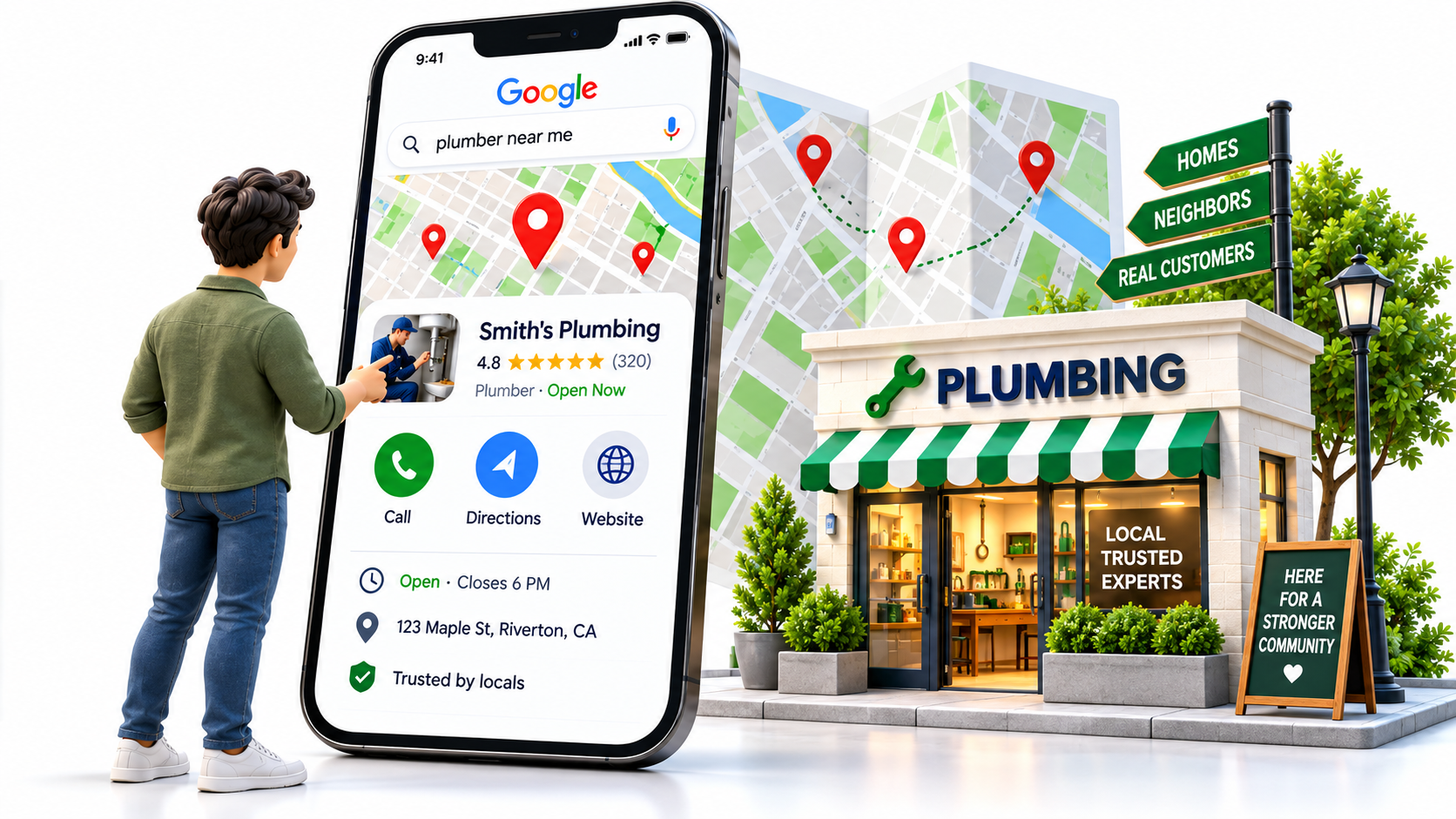
Digital marketing is equally important for companies serving a limited geographical area. BrightLocal’s consumer research found that 93% of US consumers had used the internet to find a local business, while 34% searched for local businesses every day. For a restaurant, dentist, plumber, retailer, repair company, or professional service, this makes local visibility particularly useful.
Businesses could strengthen their presence through Google My Business, Google Maps, accurate business details, useful location information, reviews, local website pages, and relevant citations. A well-planned local search marketing strategy can therefore help a company become easier to find when nearby customers are actively looking for its services.
4. You Can Target More Relevant Audiences
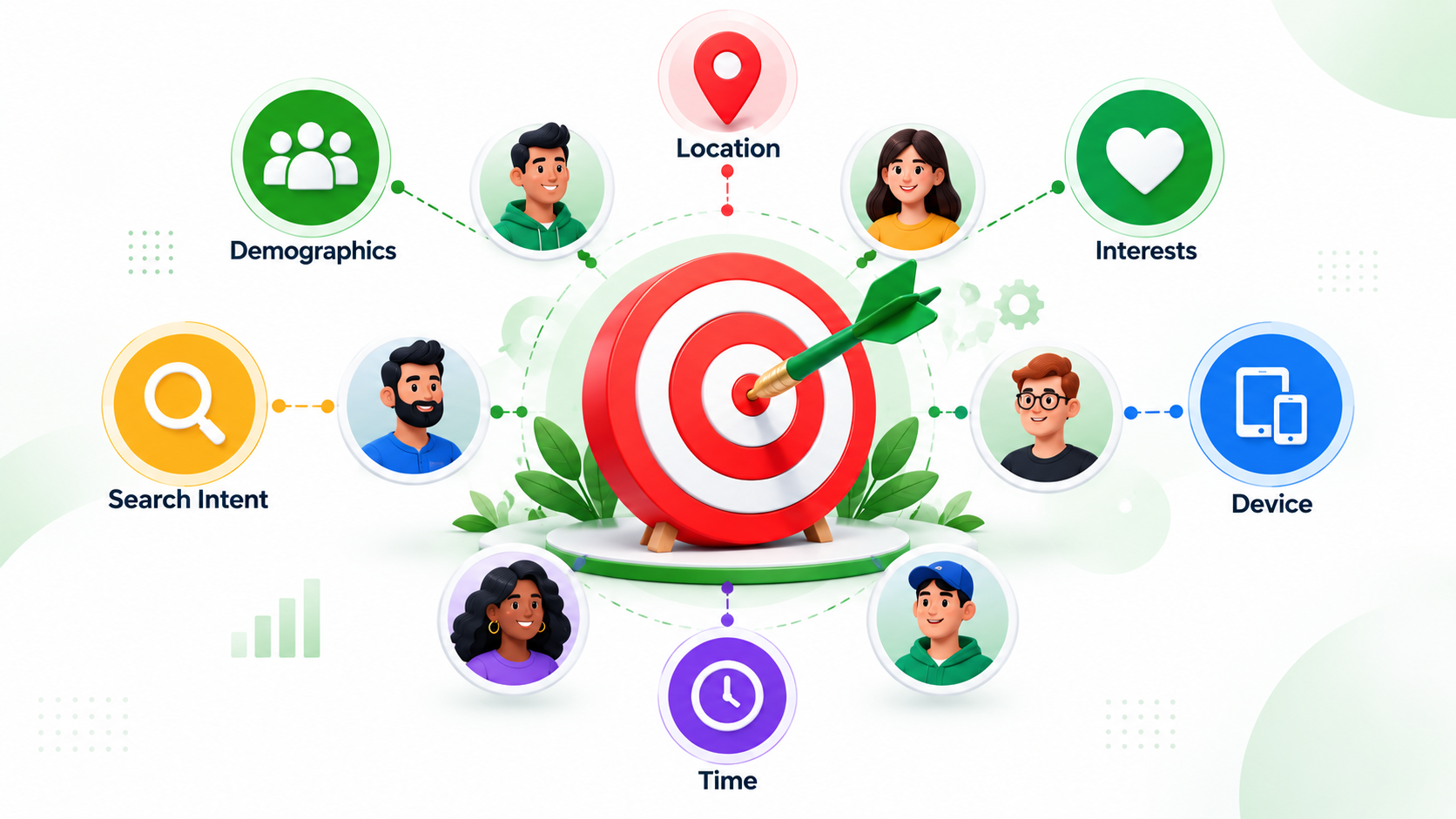
Traditional advertising can provide broad exposure, but the people seeing an advertisement may not always be interested in the offer. Digital marketing gives businesses more ways to narrow that audience. Paid search can target people according to the searches they make. Advertising platforms can also use factors such as location, device, interests, demographics, or audience behaviour, depending on the platform and campaign.
A local business, for example, does not necessarily need to pay for advertisements shown across an entire country. It may be able to focus spending on the cities or regions it actually serves. Better targeting does not guarantee better results, but it can reduce some of the waste that occurs when a message is shown to people with little connection to the product or service.
5. Marketing Performance Can Be Measured More Clearly
One important advantage of digital marketing is that businesses can observe what happens after people interact with a campaign. Website visits, advertisement clicks, enquiries, purchases, calls, downloads, registrations, and other actions can be tracked when the correct measurement is in place.
This makes it possible to answer practical questions. Which campaign is generating enquiries? Which advertisement receives clicks but produces few sales? Which pages encourage visitors to contact the business? Which source sends the most useful customers?
Traffic alone should not define success. A campaign that generates 500 relevant visitors and 20 enquiries may provide more business value than one generating 2,000 visitors and almost no customer action. Digital measurement helps businesses move from asking “How many people saw our marketing?” to “What did those people actually do?”
6. Businesses Have More Control Over Advertising Spend
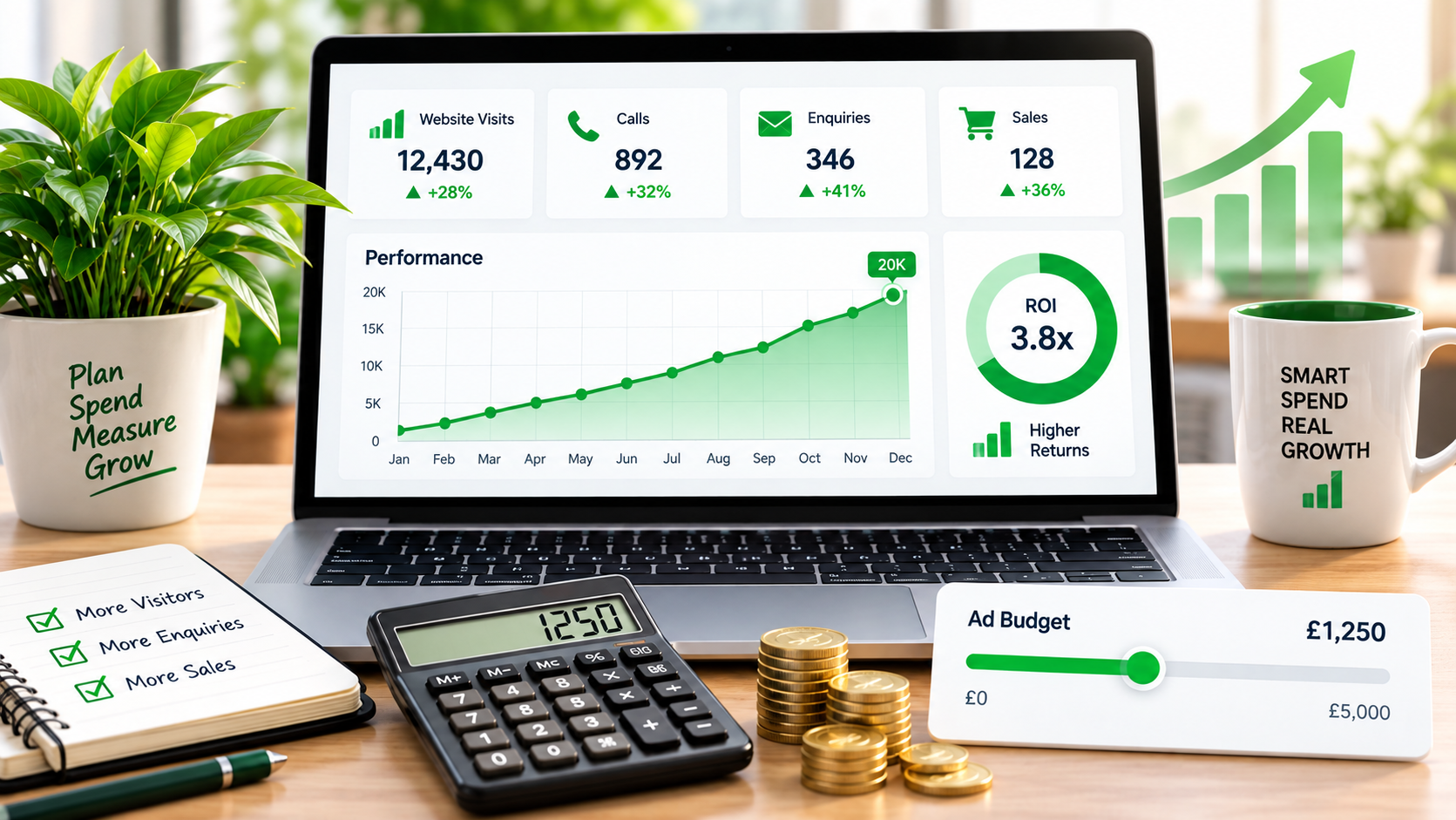
Digital campaigns can also make marketing budgets easier to control. With pay-per-click advertising, businesses can decide how much they are prepared to spend and then monitor how that spending relates to clicks and conversions. This does not mean online advertising is automatically inexpensive. Competitive searches can have high costs, and poorly targeted campaigns can waste money quickly.
The advantage is visibility into the spending. If one campaign consumes budget but produces few meaningful results, the business can investigate the keywords, targeting, advertisements, or landing page instead of continuing to spend without understanding performance. Budget decisions can therefore be connected more closely to cost per lead, cost per sale, and customer value.
7. Digital Marketing Supports the Growth of Online Buying
Online purchasing was already growing, and changing consumer behaviour accelerated that movement. Customers could research products on a website before visiting a store, compare prices before making contact, or discover a business digitally even when the final transaction happened offline.
Digital marketing could therefore support several stages of a buying journey, from initial discovery to comparison and purchase. Businesses needed clear product or service information so customers could continue their research without unnecessary difficulty.
8. Social Media Creates More Ways to Communicate
For businesses, social media could support communication, content distribution, customer service, brand awareness, and traffic generation. The value was not simply in accumulating followers. A company could share useful information, respond to questions, announce changes, promote products, demonstrate expertise, or keep existing customers aware of what was happening.
The most suitable platform depended on the audience. A business did not need to maintain several inactive profiles simply because those networks existed. A better approach was to understand how to use social networking for business marketing and concentrate on platforms where meaningful customer interaction was possible.
9. Mobile Experience Affects Marketing Results
Customers were no longer accessing business websites only from desktop computers. That made mobile usability an important part of digital marketing. Someone may discover a company through search, an advertisement, social media, or an email while using a phone. If the website then becomes difficult to read, slow to use, or awkward to navigate, the marketing has generated a visitor without creating a good customer experience.
A responsive web design can help content adjust across different screen sizes. Phone numbers should be easy to find, forms should work properly, navigation should remain simple, and important information should not disappear from the mobile version of the website.
10. Online Reviews Can Influence Customer Decisions
Digital marketing is also connected with reputation. Before contacting a company, customers can search its name, read reviews, examine ratings, and compare the experiences reported by other people. That makes reviews more than a side issue. Businesses should make it easy for genuine customers to leave honest feedback and should monitor what people are saying about them online.
Responses are important too. A professional response to criticism can show potential customers that the company takes feedback seriously. Digital visibility may help customers discover the business, but trust often influences whether they take the next step.
Digital Marketing Works Better When the Channels Connect
Search, paid advertising, social media, local visibility, content, email, and websites should not operate as completely separate activities. A potential customer might first discover a company through Google, read an article on its website, check customer reviews, visit its social profile, and return later to request a quote.
Google’s consumer research during this period described purchasing decisions as a more complicated journey involving searches, advertisements, links, clicks, and online content rather than one simple path from awareness to purchase. This means businesses do not necessarily need every marketing channel. They need the channels that make sense for their customers and business goals to work together.
Make Digital Marketing Part of the Business Strategy
Digital marketing had become important because customer behaviour was increasingly connected to search engines, websites, social networks, mobile devices, reviews, and online purchasing. The business case is practical. Digital channels can help a company become easier to find, reach relevant audiences, support local discovery, control advertising expenditure, measure customer actions, and improve campaigns using actual performance data.
The starting point should always be the business goal. Decide whether the priority is leads, sales, bookings, local customers, brand visibility, or repeat business. Then choose the digital channels that directly support that objective. For businesses that need a coordinated approach, professional digital marketing services can help connect search, paid advertising, social media, website performance, and measurement around clear business goals.
Comments
Author Details

Ashwani Kumar Sharma
Ashwani has been actively involved in SEO services since 2005. His expertise and distinctive work approaches have made him one of the most experienced and trusted SEO experts in the industry. He is a certified SEO and Google Ads professional. He also has strong business development skills in advanced SEO, PPC, and digital marketing strategies.


Wow! Finally I got a blog from where I know how to truly take useful information regarding my
study and knowledge.