



Why Your SEO Campaign Isn’t Delivering Results (Signs & Fixes)


Key Takeaways
- Unrealistic timelines and poor tracking make SEO results taking too long feel like failure.
- Wrong keyword targeting and search intent mismatch quietly block qualified leads and conversions.
- Over-optimized pages with keyword stuffing and thin content weaken long-term ranking potential.
- Hidden technical SEO issues quietly sabotage crawlability, speed, and user experience.
- Weak backlink quality limits authority growth even when content and structure are strong.
- Sustainable recovery requires sequencing fixes, not random monthly SEO actions.
- Fixing bad SEO results depends on disciplined diagnosis, prioritization, and consistent performance measurement.
You can be publishing blogs consistently, refining title tags, and reviewing analytics every week, yet still feel like nothing moves. Rankings fluctuate, organic traffic not increasing in any meaningful way, and the sales pipeline looks no better than it did months ago. That’s usually when the doubt sets in, and someone says the words every marketer eventually mutters: our SEO campaign not working.
The uncomfortable truth is that SEO still works extremely well, but only when it’s built on clear strategy, clean data, and solid foundations. Most underperforming campaigns don’t struggle because the niche is impossible or competitors are unbeatable. They battle because success was never clearly defined beyond rankings, key performance data was unreliable, and critical technical SEO issues were quietly ignored from day one.
This article breaks down the most common reasons behind fixing bad SEO results, explains why SEO results taking too long is often a symptom rather than the true problem, and shows how to fix SEO problems in a structured way that actually helps improve SEO rankings where revenue is generated; not just where charts look good.
Unrealistic Expectations and Timeline Confusion
Most campaigns start dying at the expectation stage. Stakeholders secretly expect SEO to behave like ads: spend now, get results next month. Reality is slower and more layered. A new or low-authority domain may need 6 to 12 months before growth feels consistent, especially in competitive spaces where Google algorithm updates constantly raise the bar. When no one explains this, normal progress looks like failure, and leadership tags the SEO campaign not working far too early.
Measurement makes it worse. If reporting centers only on positions and impressions, you’re optimizing for the wrong scoreboard. Rankings without calls, form fills, demos, or assisted revenue are just noise. You can think you’re fixing bad SEO results while absolutely nothing changes for your business. Add weak baselines; where Google Search Console or GA4 weren’t set up cleanly, and you can’t even prove whether anything moved.
Signs:
- Panic about SEO results taking too long with no realistic competitive benchmarks.
- “Wins” mean a few higher rankings, not more qualified inquiries.
Fixes:
- Define conversion KPIs first, then rankings.
- Set realistic timeframes by niche and domain strength.
- Use clean analytics to track whether actions actually fix SEO problems over time.
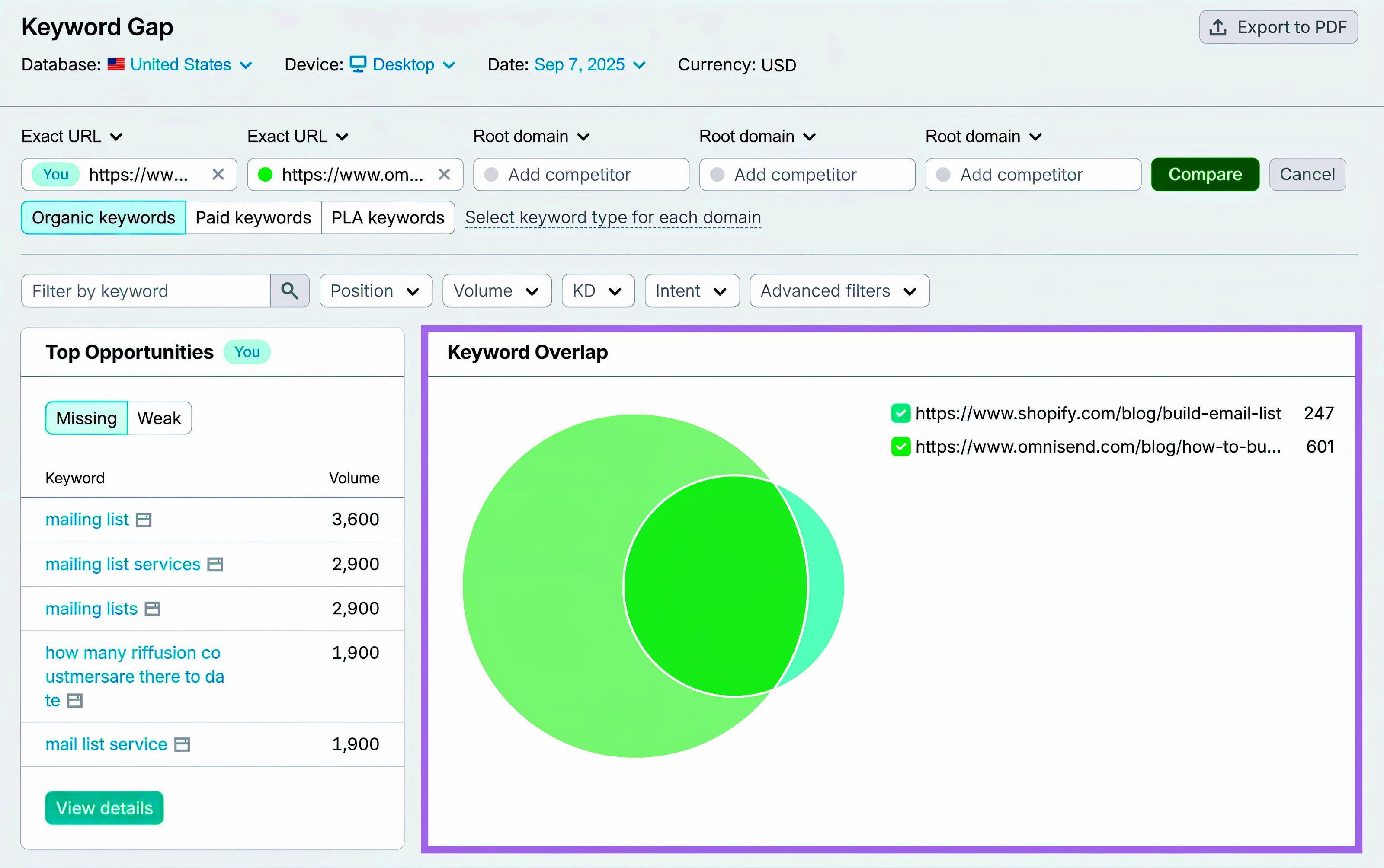
Targeting the Wrong Keywords and Search Intent
If you’re ranking for more terms but organic traffic not increasing in leads, you almost certainly aimed at the wrong keywords or matched the right keywords with the wrong content type. That’s where the nastiest SEO strategy mistakes hide.
Most teams chase glamorous, high-volume phrases that impress in tools but don’t resonate with people who are years away from buying. You rank for “what is X” while “X pricing”, “X services near me”, or “best X for Y” barely exist on your site. At the same time, the deeper problem is search intent mismatch. Users land expecting a pricing breakdown and end up with a fluffy opinion piece. Or they want a how-to guide, but then slam into a sales page.
Over time, this poor engagement tells Google your result isn’t a good answer. The damage grows quietly with every update, as the Google algorithm continues to evolve.
Signs:
- Deep impressions, low clicks on money pages.
- Traffic clusters on blogs that never convert.
Fixes:
- Re-map keywords by funnel stage and intent (informational, commercial, transactional, local).
- Align content formats with what already ranks: guides for education, focused landing pages for closing.
- Use this as a core lever in fixing bad SEO results, not an afterthought.
On-Page SEO: Under-Optimized vs. Over-Mechanize
On-page is where most teams feel confident, yet audits reveal the same gaps: titles that sell the brand instead of the solution, multiple H1s fighting for attention, shallow sections padded with filler, and pages named “Solutions” when users actually search “local SEO audit” or “ecommerce CRO services.” Then the pendulum swings hard into over-optimization.
Someone reads an outdated guide and starts forcing phrases everywhere. Suddenly, body copy is riddled with obvious keyword stuffing, robotic phrasing, and random repetition of terms like Fixing bad SEO results in places they don’t belong. At the same time, the site quietly carries tons of thin content; short, generic pages with no examples, no process, no proof, and no genuine relevance.
Modern systems trained to detect unhelpful content are unforgiving here. With every wave of Google algorithm updates, those weak or artificial pages drag down your average quality and make it harder to improve SEO rankings even when you publish something strong.
Signs:
- Pages read like they’re written “for Google,” not humans.
- Many URLs targeting similar phrases compete with each other.
Fixes:
- One main topic per URL; remove or merge thin content.
- Use natural language; avoid keyword stuffing.
- Strengthen headings and internal links so pages support each other rather than cannibalize one another.
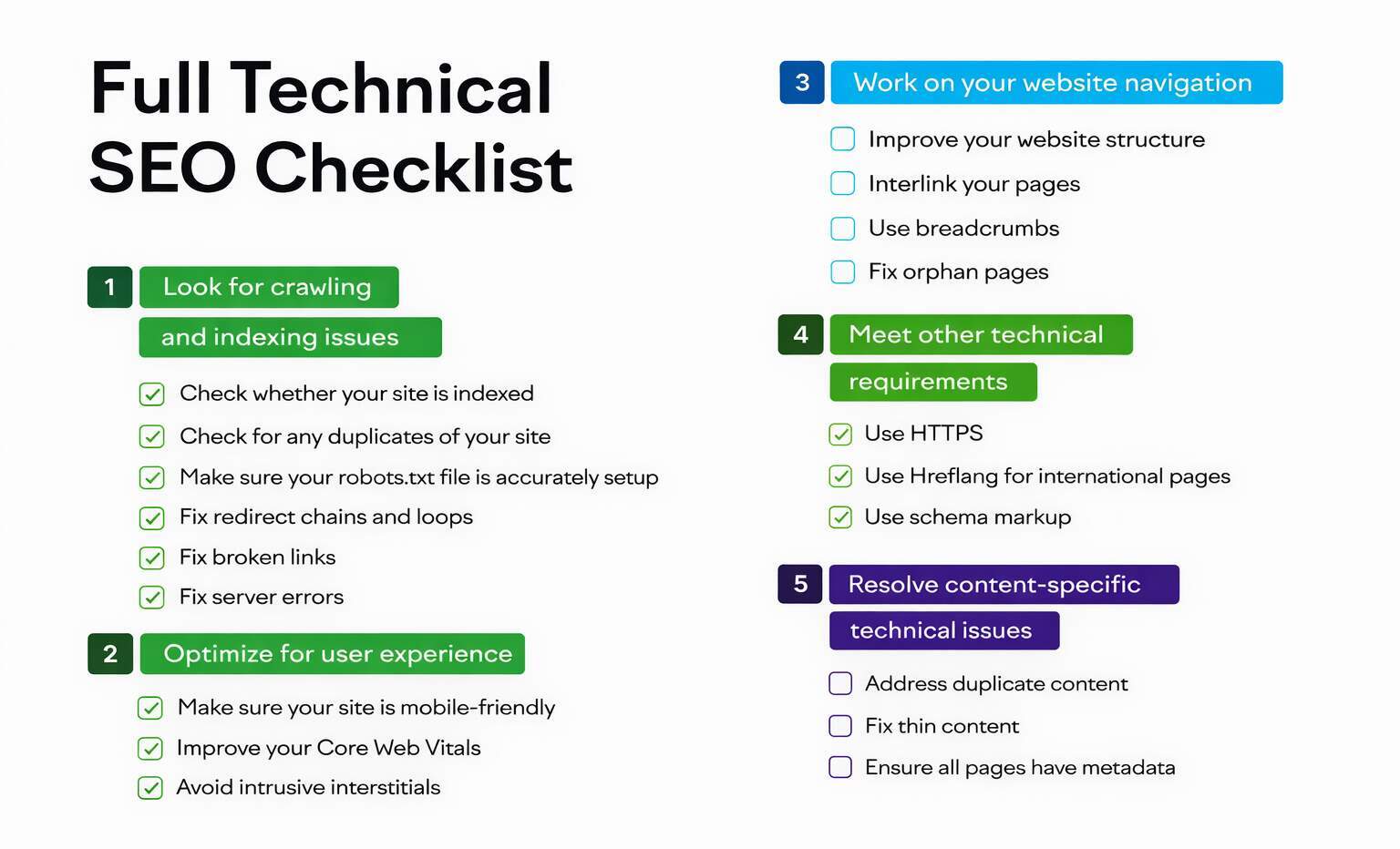
Technical SEO Issues That Quietly Kill Performance
Behind many “we’ve done everything” complaints is a website that’s simply painful to crawl or use. Slow hosting, bloated themes, heavy scripts, and uncompressed media all roll into serious technical SEO issues. Google’s own research shows that users quickly abandon slow mobile sites, and that abandonment sends a horrendous signal. If half your traffic bounces before the hero loads, it’s no surprise that organic traffic not increasing or that your SEO campaign not working and feels unsolvable.
Crawl and indexing problems compound this. If your XML sitemap is outdated, canonical tags misfire, or robots.txt blocks key folders, search engines waste crawl budget on junk while revenue pages wait in the dark. A messy internal structure where critical offers sit four or five clicks away quietly tells bots these URLs don’t matter much.
Signs:
- Big gaps between the number of pages on the site and the pages indexed.
- Strong content that never gains impressions.
Fixes:
- Audit and repair technical SEO issues: Core Web Vitals, sitemaps, canonicals, robots, and internal linking depth.
- Make sure important pages are fast, mobile-friendly, and reachable in three clicks.
- Treat this as non-negotiable infrastructure in Fixing bad SEO results, not “IT’s problem.”
Authority, Backlink Quality, and Trust Signals
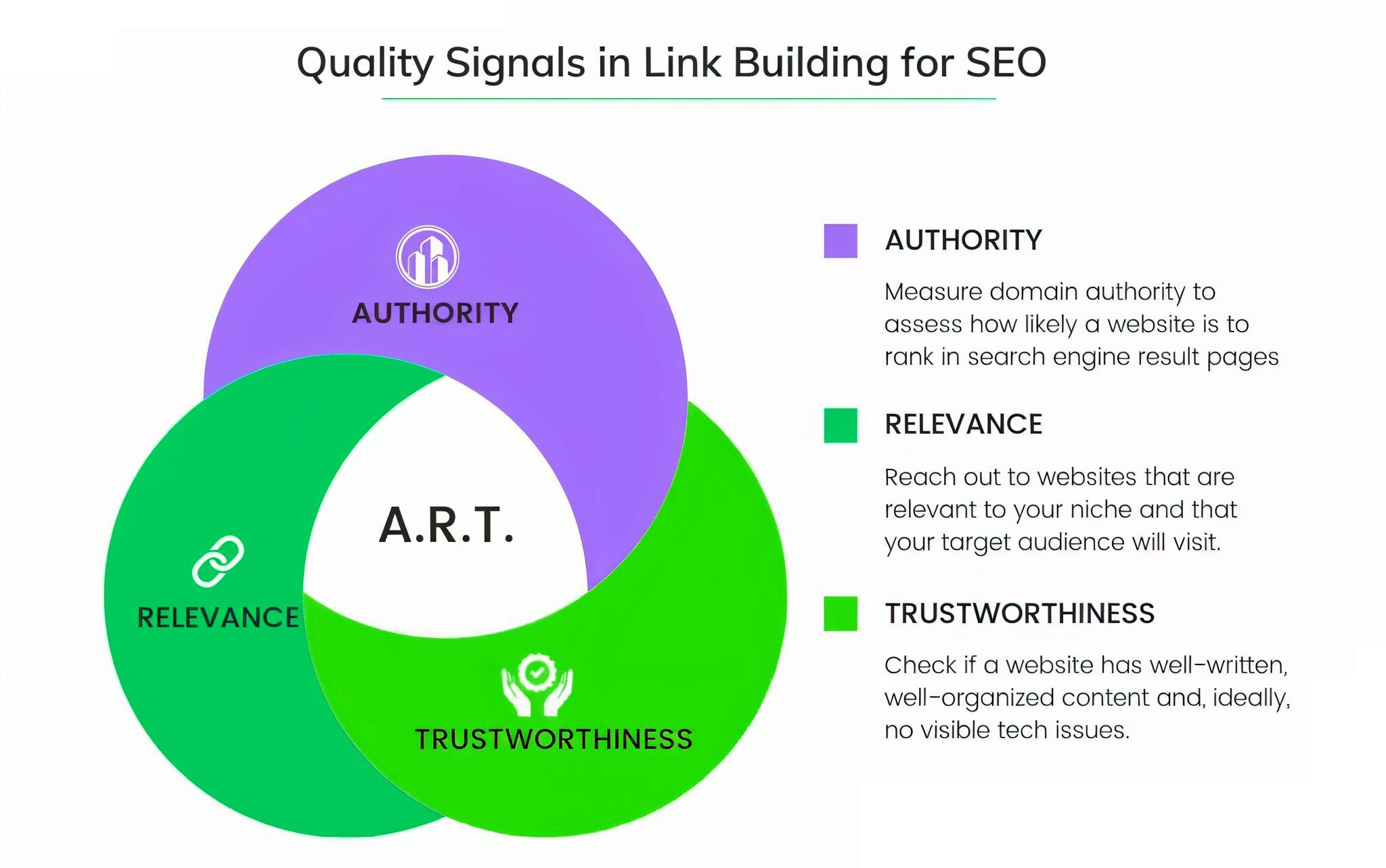
Even a technically clean site with great content will plateau if nobody important on the web is willing to stand next to your brand. That’s where authority and backlink quality come into play.
Google still uses links as a major relevance and trust signal, but the rules have changed: relevance and context beat raw volume. Ten relevant mentions from industry blogs, partners, and local news often matter more than hundreds of random directory profiles. If your link graph is full of noise, every significant set of Google algorithm updates becomes a risk event.
On-page trust is the second half. If landing pages meant to improve SEO rankings have no testimonials, no case studies, no clear outcomes, and generic stock photos, users hesitate and drop even when they find you. That’s how a site can “rank but not bank.”
Signs:
- Many links from irrelevant or low-quality sites, very few from real authorities.
- Minimal reviews, social proof, or case studies on key pages.
Fixes:
- Prune harmful links, then build better-quality backlinks through PR, partnerships, and useful content.
- Add authentic proof: reviews, logos, case studies, and strong about pages.
- Make authority and trust core parts of fixing bad SEO results, not optional add-ons.
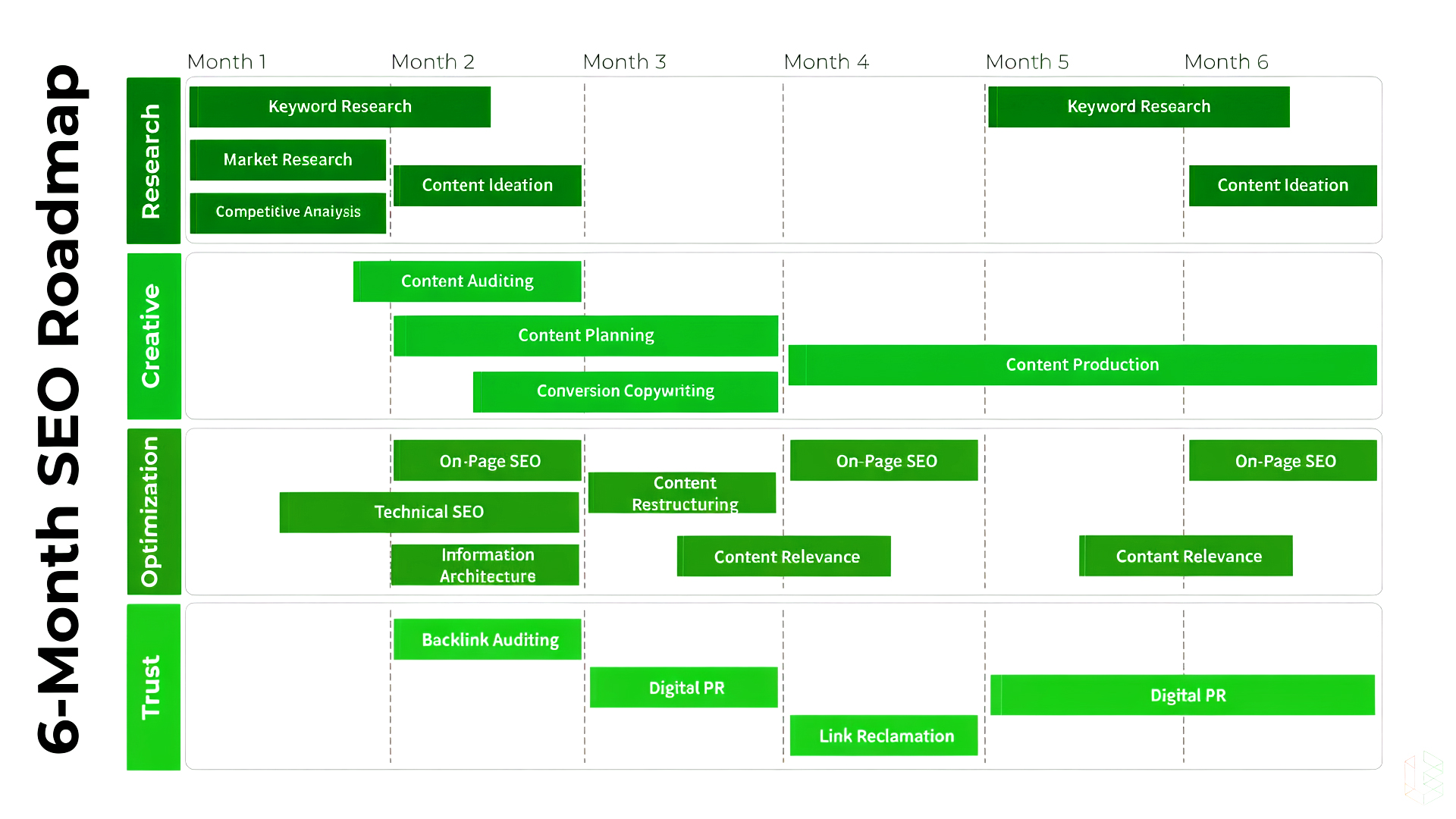
A Practical Recovery Roadmap (Signs & Fixes in One View)
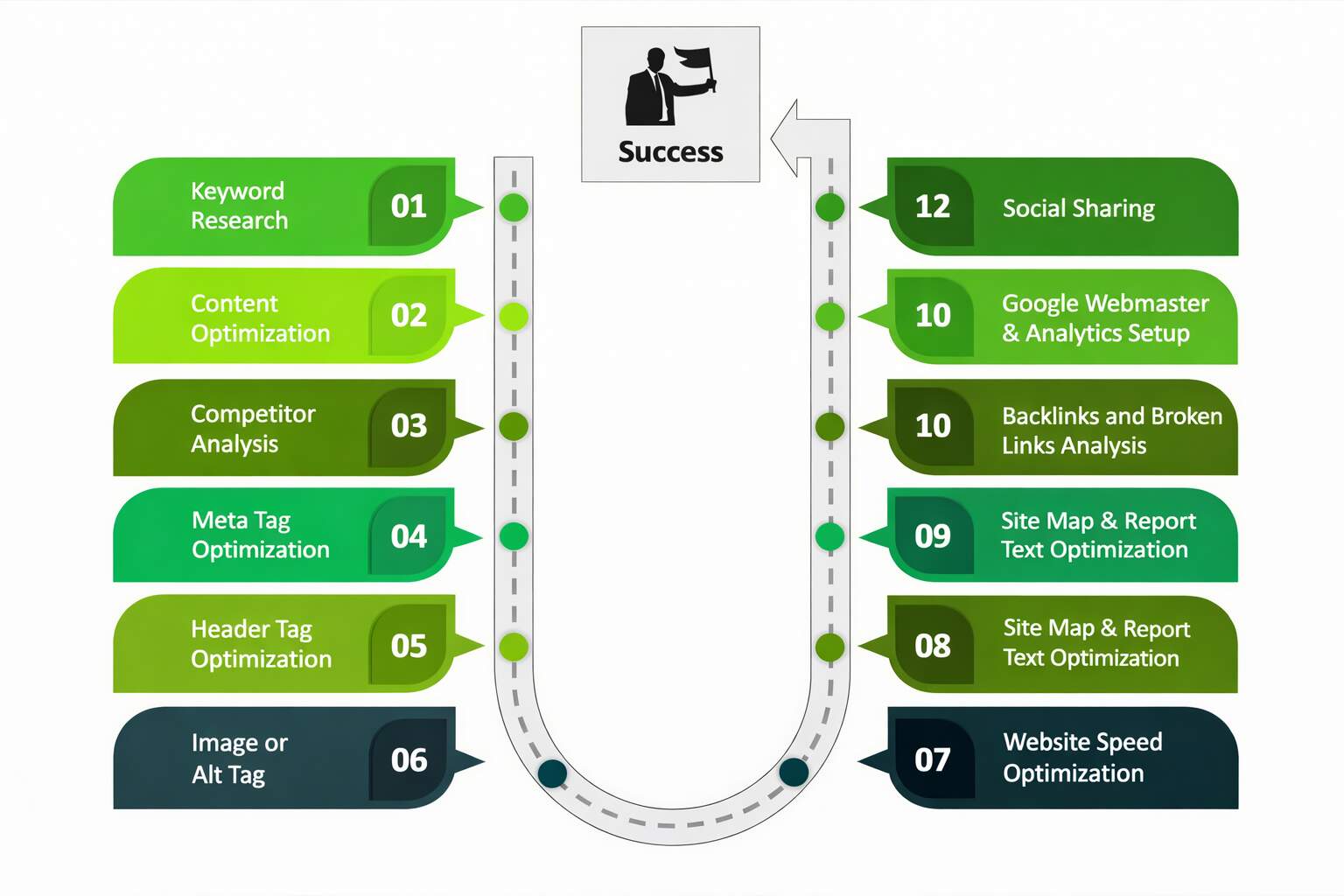
At some point, you have to stop diagnosing and start operating. A real recovery roadmap for fixing bad SEO results doesn’t jump randomly between tasks; it follows a clear, visible sequence. The roadmap you see here reflects exactly how recovery should work in practice: strategy first, structure next, authority last. Every step prepares the ground for the one that follows, so fixes compound instead of canceling each other out.
Signs your roadmap is missing:
- Monthly “SEO work” looks scattered: a blog one week, a small title tweak the next.
- No one on the team can explain which action is actually meant to fix SEO problems or when results should appear.
Fixes that actually work (mapped to the roadmap):
- Strategy & Intent Setup: Start with keyword research, competitor analysis, and content optimization so every later fix supports real search demand.
- Technical & Structural Repair: Meta tags, header tags, image/alt tags, site speed, anchor text, and sitemap optimization create the foundation Google can crawl, understand, and rank.
- Authority & Performance Systems: Backlink quality and analysis, broken link fixes, analytics setup, and controlled social distribution strengthen trust and tracking at scale.
When you run recovery this way, you stop chasing random charts. You build a structured system that consistently improves SEO rankings for the pages tied to revenue, and you eliminate the illusion of an “SEO campaign not working” by replacing guessing with execution.
Visual and Screenshot Ideas to Support the Signs & Fixes Theme
Words explain; visuals prove. To reinforce the “signs and fixes” concept, think of each graphic as a before/after reveal. For expectations and timelines, show a Google Search Console chart where impressions rise, but clicks stay flat; a clear sign of a search intent mismatch or weak snippets. Then, next to it, a later screenshot after fixes reflecting better CTR.
For technical SEO issues, capture PageSpeed Insights or Lighthouse results before and after optimization, with Core Web Vitals scores improving. Add captions like: “This is what real fixing bad SEO results looks like under the hood.”
You can use a pie chart to show the proportions of pages that suffered from thin content, slow performance, or weak backlink quality at the start of the engagement. That visual makes invisible SEO strategy mistakes tangible to non-SEO stakeholders.
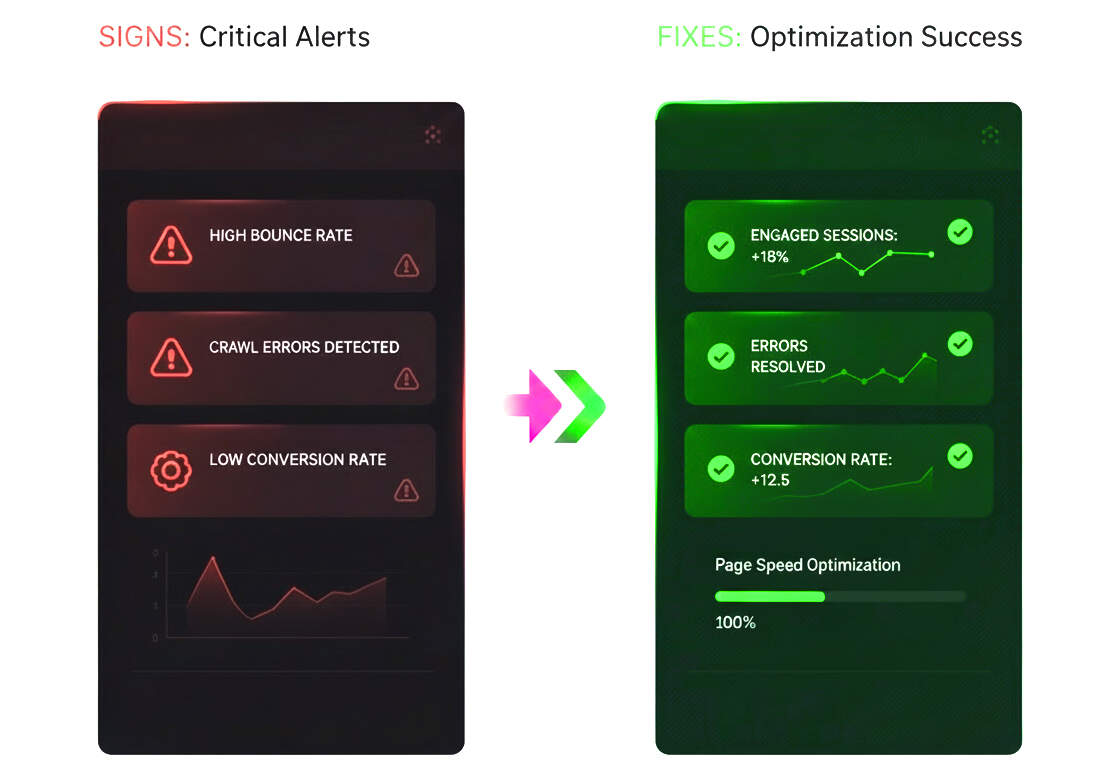
Signs vs Fix Visual Concept:
- Left side: red icons labeled “Signs” (high bounce, slow load, poor CTR).
- Right side: green icons labeled “Fixes” (engaged sessions, faster speed, higher conversions).
The more clearly your visuals connect a specific sign to a particular fix, the easier it becomes to justify investment and show the real impact of fixing bad SEO results over time.
Ongoing Action Checklist to Prevent Future Slumps
Even after you fix SEO problems, entropy creeps back in unless you have habits. Think of a short, recurring checklist that focuses only on the most important signs and fixes.
Signs to watch each month:
- Core pages are suddenly losing impressions or clicks after Google algorithm updates.
- New content drifting into keyword stuffing or shallow thin content under deadline pressure.
- Organic traffic not increasing to key service pages while blog traffic grows.
- Sudden spikes or drops in referring domains indicate changes in backlink quality.
Fixes to apply regularly:
- Tighten briefs so writers keep depth and intent aligned with targets.
- Re-run core technical checks after big design or plugin changes.
- Review internal links whenever you publish major new assets.
- Replace vanity reports with dashboards that tie changes to leads and revenue.
This is how you prevent a good campaign from sliding back into a quiet SEO campaign not working narrative. Mature teams don’t just celebrate wins; they harden systems so fixing bad SEO results becomes a repeatable habit, not a one-time rescue mission.
In Essence
When you zoom out, most failing campaigns look similar: unrealistic expectations, misaligned keywords, fragile on-page structure, ignored technical SEO issues, weak backlink quality, and a lack of a shared definition of success. None of that means SEO is broken. It means the signals were there, but no one translated them into specific fixes.
Real recovery doesn’t require burning everything down. It requires being ruthless about what each symptom is telling you and disciplined about which fix comes first. You start seeing fixing bad SEO results not as a mysterious art, but as a sequence of decisions anyone can understand: diagnose, prioritize, implement, measure, repeat. Over time, that’s exactly how you improve SEO rankings and rebuild trust in search as a channel.
Get Your 90-Day SEO Recovery Map
Your SEO doesn’t need another guess; it needs a real game plan. Get a data-backed, 90-day recovery roadmap from eSign Web Services that pinpoints exactly what’s stalling your growth, which fixes will create momentum fastest, and where your biggest ranking opportunities are hiding right now.
We break down your strategy gaps, technical barriers, content weaknesses, and authority leaks into one clear execution plan built for results, not reports.
If your SEO results taking too long and progress feels invisible, this is how you take control again.
Get My 90-Day SEO Recovery Map Now!
Freqently Asked Questions
Author Details

Ashwani Kumar Sharma
Ashwani has been actively involved in SEO services since 2005. His expertise and distinctive work approaches have made him one of the most experienced and trusted SEO experts in the industry. He is a certified SEO and Google Ads professional. He also has strong business development skills in advanced SEO, PPC, and digital marketing strategies.


