



10 Essential Features Every Business Website Must Have in 2026

Key takeaways
- Modern websites must act as sales engines, support hubs, and conversion tools; not simple digital brochures.
- Strong security with zero‑trust systems and real‑time threat detection is essential for user confidence and protection.
- Intelligent UX requires personalization, accessibility‑first design, and lightning‑fast loading to retain modern users.
- AI chatbots provide 24/7 automated guidance, improving customer experience and boosting overall conversions.
- Real‑time analytics help businesses understand behavior instantly and make data-backed decisions that drive growth.
- Mobile‑first, responsive design determines engagement, rankings, and user trust across all devices in 2026.
In 2026, a business website isn’t just a digital footprint; it’s your sales team, storefront, customer support, and data center all in one. With user behavior shifting faster than ever and new technologies, such as AI, voice assistants, and evolving data privacy laws, reshaping the digital landscape, your site must evolve accordingly. Visitors no longer tolerate clunky navigation, unclear messaging, or slow load speeds. They want answers fast, trust signals instantly, and value immediately.
Today’s consumers browse across multiple devices, expect hyper-personalized experiences, and make snap judgments about credibility within seconds. Your website needs to not only look great but also function flawlessly across various screen sizes, integrate smart automation, and comply with privacy standards such as GDPR and CCPA. It’s no longer about having a presence; it’s about owning attention.
These expectations make business website features more crucial than ever, especially as website design trends 2026 shift toward personalization, speed, and automation. Modern brands must embrace modern website features by 2026, prioritize essential website elements for small businesses, and understand the key component of a professional and friendly website to remain competitive in the evolving marketplace.
If your site doesn’t deliver that within seconds, they’re gone; and likely headed to a competitor who gets it. This article breaks down the must-have website features that define success in 2026. From AI-powered chatbots to green hosting, we’re going beyond the basics with actionable strategies tailored for small businesses, startups, and growth-hungry brands. Let’s dive into what makes a modern site not just functional, but phenomenal.
1. Advanced Security and Privacy Protection
Security is no longer just a backend concern; it’s a customer-facing feature that makes or breaks trust. In 2026, cyber threats are sharper, users are savvier, and regulators are stricter. So, what’s the new standard? Multi-layered authentication, including biometric login and two-factor systems, is essential to keep both user data and business assets safe.
Don’t just lock the door; install a smart lock with AI that learns threats before they strike. Businesses need zero-trust architecture, meaning that no one, whether internal or external, gains access without proper verification and authentication. Add in real-time threat detection powered by machine learning, and you’ll catch suspicious behavior before it becomes a breach.
But defense isn’t enough. Today’s users want privacy control. That means dynamic consent popups (GDPR/CCPA compliant), automated data deletion protocols, and transparent, regularly updated privacy policies. Bonus: These steps also reduce your legal exposure.
A secure website in 2026 isn’t hidden; it’s proudly visible with SSL certificates, security trust badges, and fast incident response protocols. If you want to go a step deeper, start with a technical SEO checklist for a healthy, secure site. In a digital world, trust builds brands, and breaches break them. Business website features must start with safety or risk being left behind.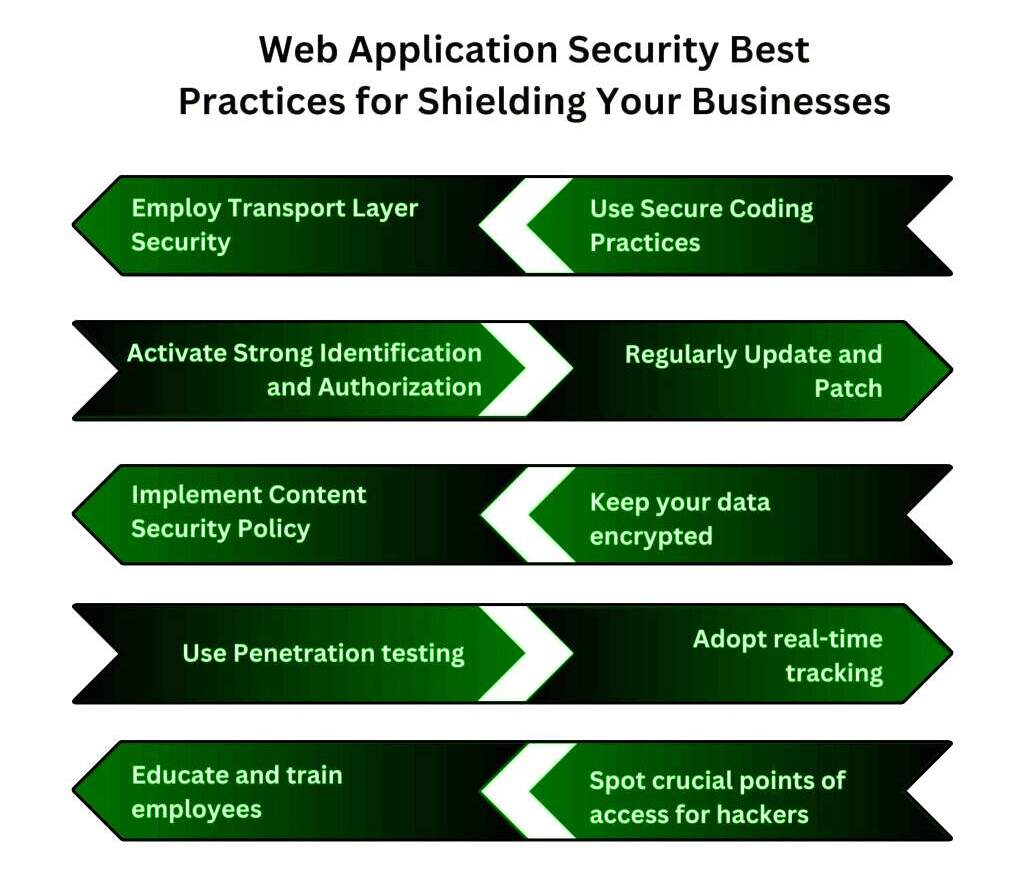
2. Intelligent User Experience (UX) Optimization
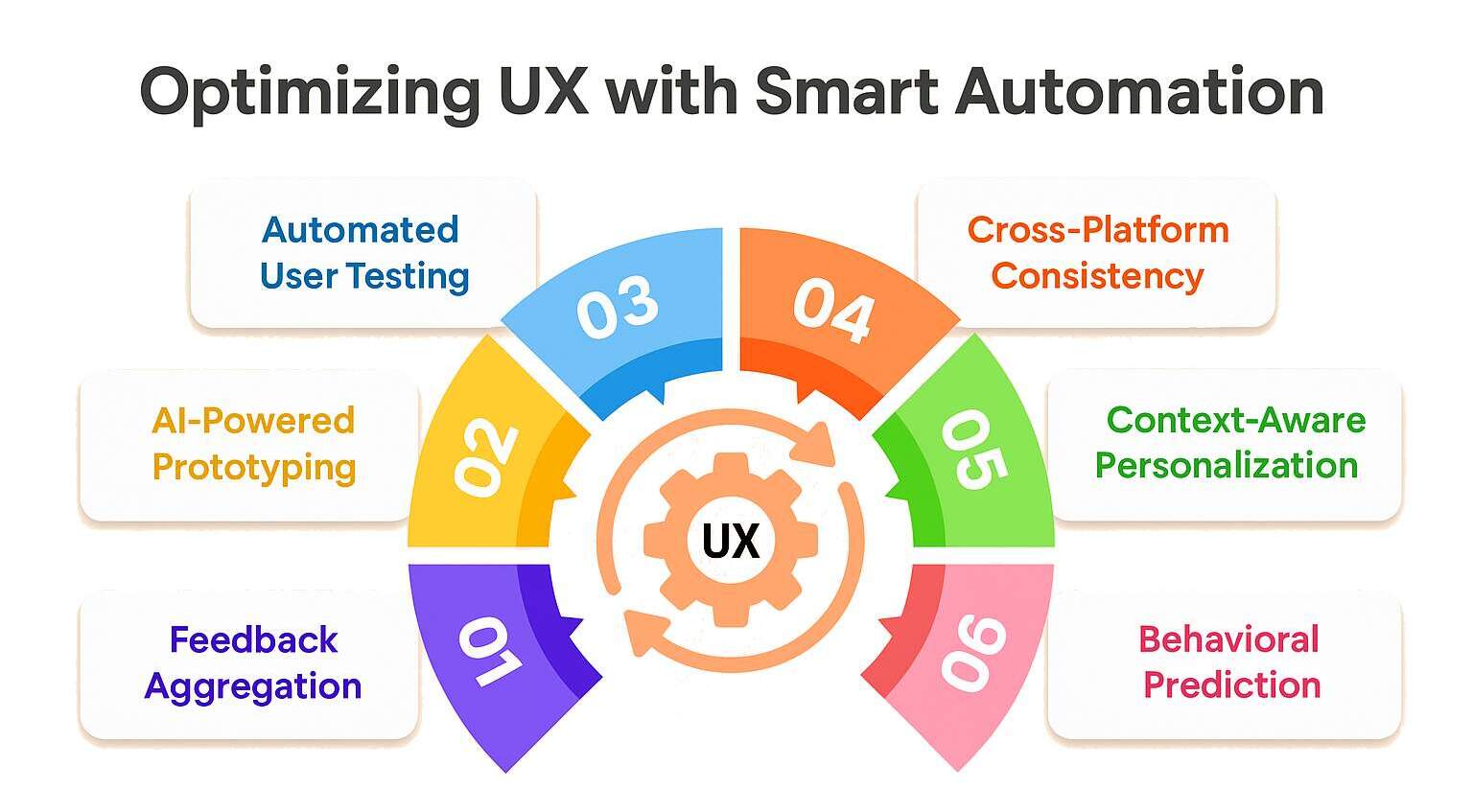
The line between good design and great experience has never been thinner, and in 2026, users expect your website to read their minds. Intelligent UX isn’t just about visuals; it’s about context. It’s about showing the right product, blog, or CTA based on how someone landed on your site and what they’ve viewed before.
Adaptive interfaces now shift based on device behavior, location, or even time of day. Implement performance-first loading systems that serve compressed assets and defer scripts until they are necessary. That means sub-second load speeds, even on slow mobile networks; and as why fast websites win more customers and it shows, that speed directly impacts revenue. Your users won’t wait, nearly half bounce if a page takes more than three seconds to load.
Now add accessibility-first design: think screen-reader compatibility, high-contrast toggles, and multilingual interfaces. Avoiding the major technical errors in web design helps keep your UX clean and conversion-ready. Google and users both reward inclusive design. Use tools like Google Lighthouse or WAVE to audit your site’s performance and compliance.
If your UX isn’t responsive, predictive, and accessible, it’s not ready for 2026. Nail this, and your website becomes more than a destination; it becomes a journey your users actually enjoy.
3. AI Chatbots & Smart Customer Support
Say goodbye to outdated contact forms and long hold times. In 2026, real-time customer support starts the moment someone lands on your site, and AI powers it. Today’s most advanced websites deploy AI-powered chatbots that not only answer FAQs but also guide the customer journey.
These bots understand intent using natural language processing and even learn from past interactions to improve accuracy. They can recommend products, book appointments, or escalate issues to human agents seamlessly. The best part? They work 24/7, in multiple languages, and never seem to tire.
Smart businesses also leverage predictive support; think personalized help content that appears before the user even clicks “support.” Integrated knowledge bases, smart search tools, and behavior-based triggers further enhance the experience. For example, if a user hesitates at checkout, the chatbot might pop up with a payment-related FAQ or live agent link.
Whether you’re a startup with lean staff or a scaling SMB, AI tools offer enterprise-grade support on a budget. Don’t just react; proactively engage. That’s the future of customer service. For businesses embracing modern website features 2026, smart engagement isn’t a bonus. It’s the baseline.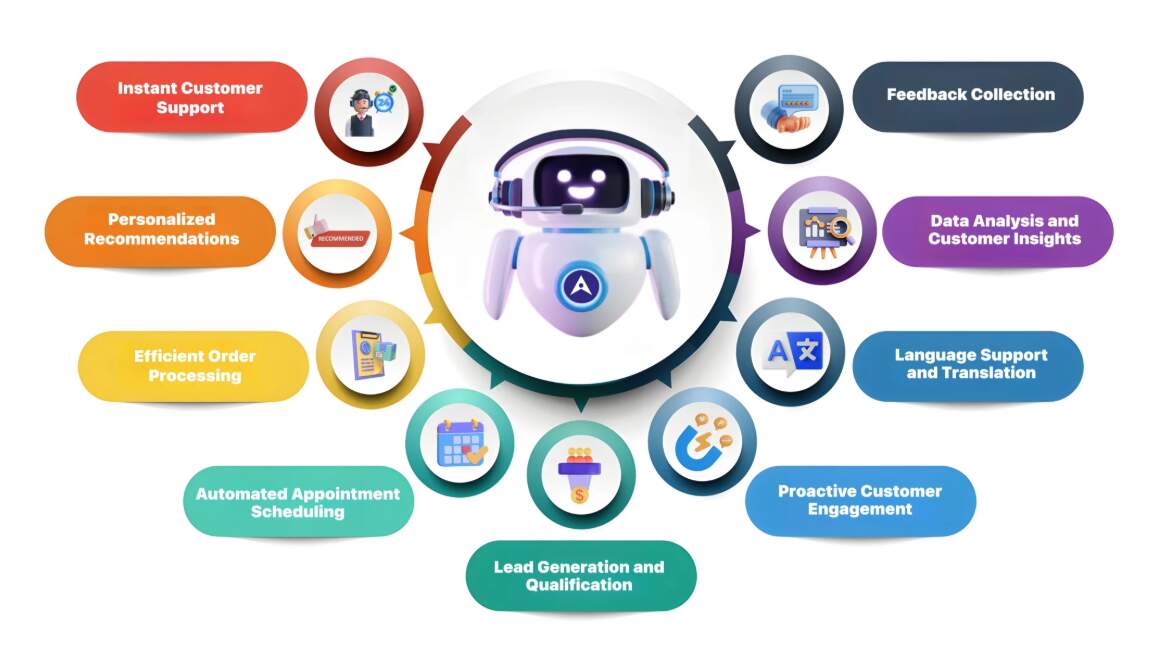
4. Real-Time Analytics & Data Intelligence
Gone are the days of guessing what works. In 2026, real-time analytics isn’t just an extra; it’s one of the most vital business website features that fuels performance, growth, and precision. Every click, scroll, and hesitation on your website becomes a data point you can instantly leverage to improve user experience, tweak content, and optimize conversion funnels.
Modern platforms, such as Matomo, Heap, or even enhanced Google Analytics 4, offer real-time behavior flow mapping, heatmaps, engagement metrics, and AI-driven predictions. Want to know which blog post leads to the most email sign-ups? Or which product page causes drop-offs? Your data tells you, instantly.
The key is integration. Connect your website with CRM tools like HubSpot, sales platforms like Shopify, or automation tools like Zapier to turn insights into actionable steps. For example, if bounce rates spike on mobile after a design tweak, you’ll see it in real time; and fix it before losing customers.
Data empowers small businesses to act like enterprises. And when live data, not hunches, backs your decisions, you’ll convert more, faster. For anyone serious about website essentials for small businesses, real-time analytics isn’t just helpful; it’s your competitive edge.
5. Mobile-First & Responsive Architecture
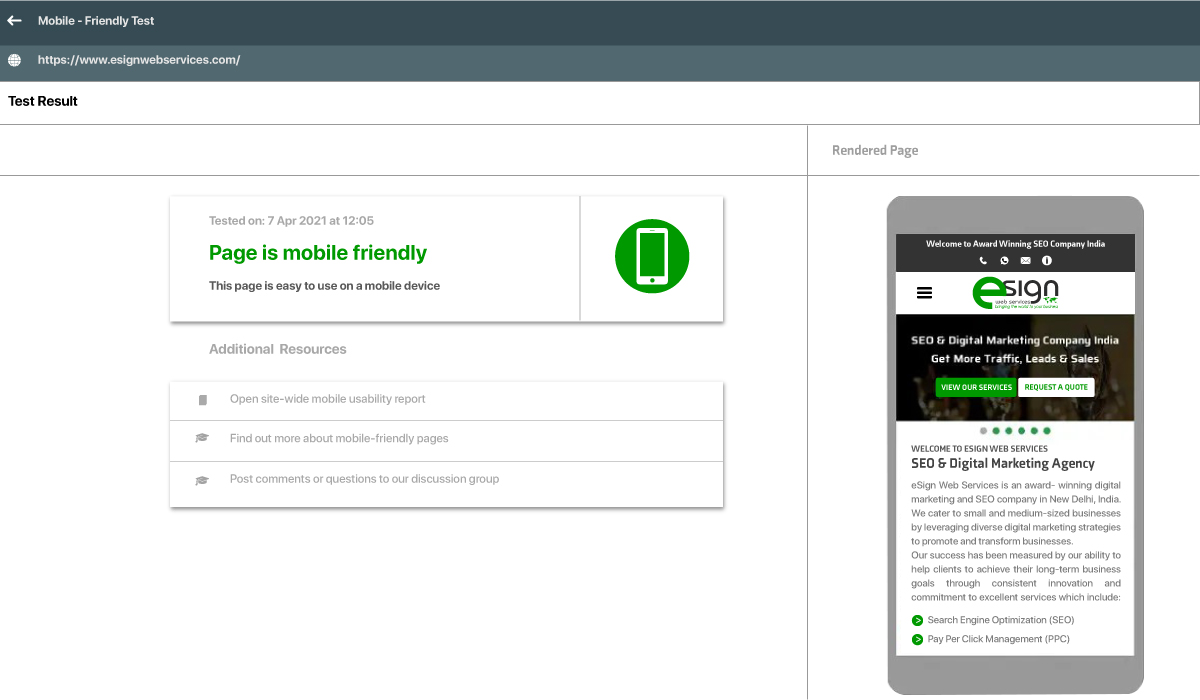
The significance of responsive web design is bigger than ever – mobile-first design is no longer an afterthought, it’s the starting point. In 2026, over 75% of global website traffic originates from smartphones. If your website doesn’t work seamlessly on a 6-inch screen, you’re bleeding visitors, and credibility.
Responsive design today means more than flexible grids. It means optimizing touch zones, collapsible menus, tap-friendly forms, and adaptive media formats. Your site should function like a native app; smooth, intuitive, and gesture-optimized.
Utilize flexible CSS frameworks like Bootstrap 5, responsive image tools like Cloudinary, and Google’s mobile-first testing tools to ensure your experience is optimized for every screen. From foldable phones to smartwatches, your content should load fast and look sharp.
In the realm of key elements for a professional website, mobile-first architecture takes center stage. If it doesn’t look good on mobile, it doesn’t matter.
6. Voice Search & Visual Navigation
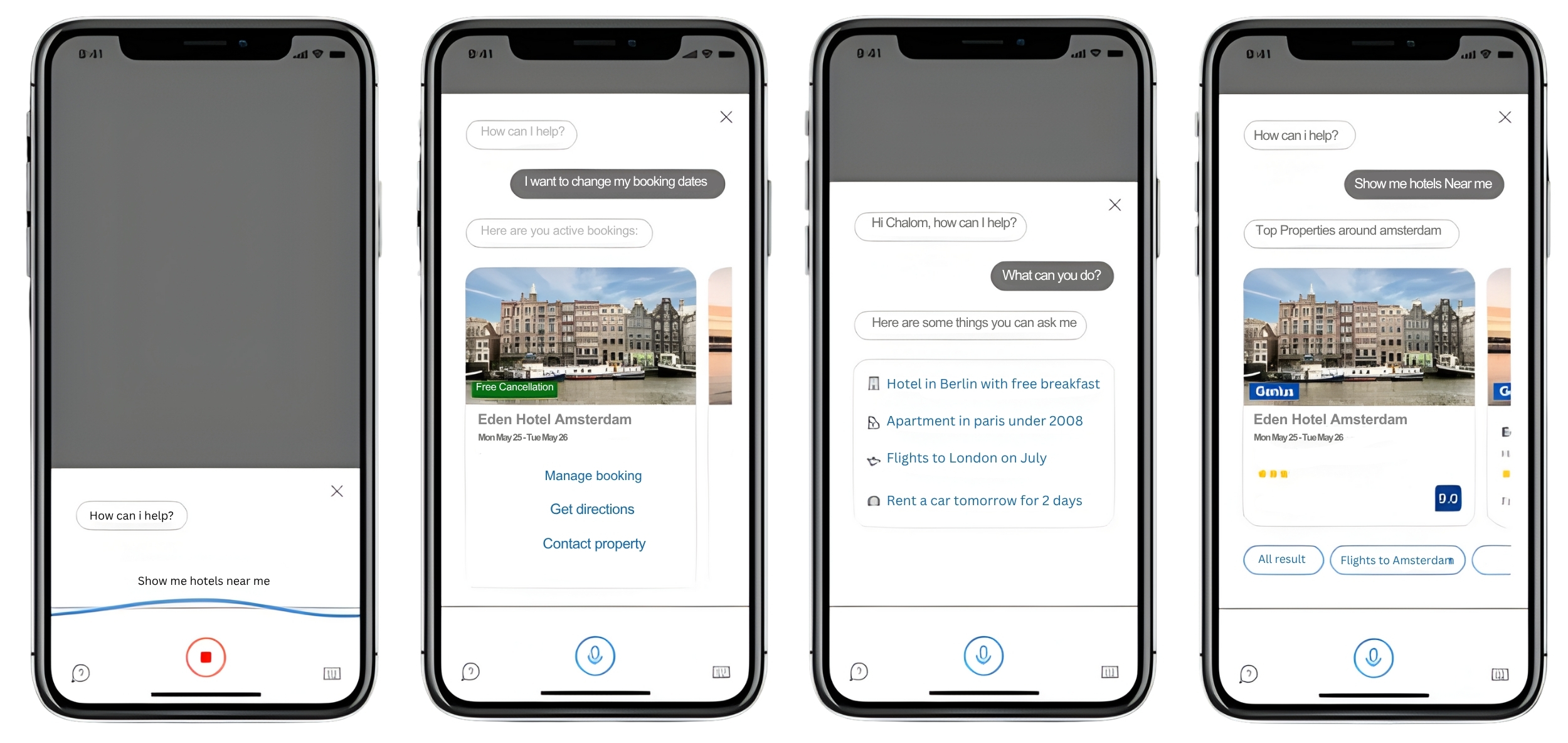
Typing is so 2020. In 2026, users are increasingly relying on voice assistants and visual tools to navigate online. If your site can’t be found by voice or explored visually, you’re not just behind, you’re invisible to a growing segment of searchers.
Let’s start with voice search optimization. It’s not enough to rank on Google; you need to be the featured answer that Alexa, Siri, or Google Assistant reads out loud. This involves utilizing natural language queries, structured data (schema markup), and mobile-first indexing , all built on smart SEO keyword research guide principles.
Meanwhile, visual search enables users to upload photos or utilize image-recognition tools to find what they’re looking for, especially in eCommerce. Platforms like Pinterest Lens and Google Lens are training users to expect this functionality. Is your site ready to meet that expectation?
Include alt text, image metadata, and AI-powered search bars that support images and voice commands. Bonus: It also boosts accessibility. Combine this with predictive suggestions and you’ll help users find what they want; before they realize they want it.
If your website doesn’t speak their language, literally, it’s time for a rethink. In 2026, modern website features mean meeting people on their terms: eyes, voice, and all.
7. Conversion-Focused Layouts
You don’t build a business website for fun; you build it to convert. By 2026, conversion‑driven design will be one of the most defining business website features separating high-performing brands from those that fade into digital noise. Every scroll, every button, and every animation must work with a single purpose: guiding the user closer to action.
Start with a hierarchy that breathes. White space is your friend. Use bold headlines, concise subheads, and high-contrast CTAs that stand out without overwhelming. Want higher conversions? Use F-shaped reading patterns and heatmap insights from tools like Hotjar to place key elements where users naturally look.
Then, layer in micro-interactions; subtle animations that reward clicks or highlight form fields when hovered. These gestures build a subconscious sense of progress. Add trust-building elements like live counters, urgency bars, or social proof tickers (“22 people just booked this!”).
If you need inspiration, study what makes a high-performance lead generation website convert consistently. Navigation stripped down. Lead generation forms are concise and straightforward. Use A/B testing tools like Google Optimize or ConvertKit to tweak colors, placement, or headlines based on what your audience actually clicks.
8. Sustainability & Green Hosting
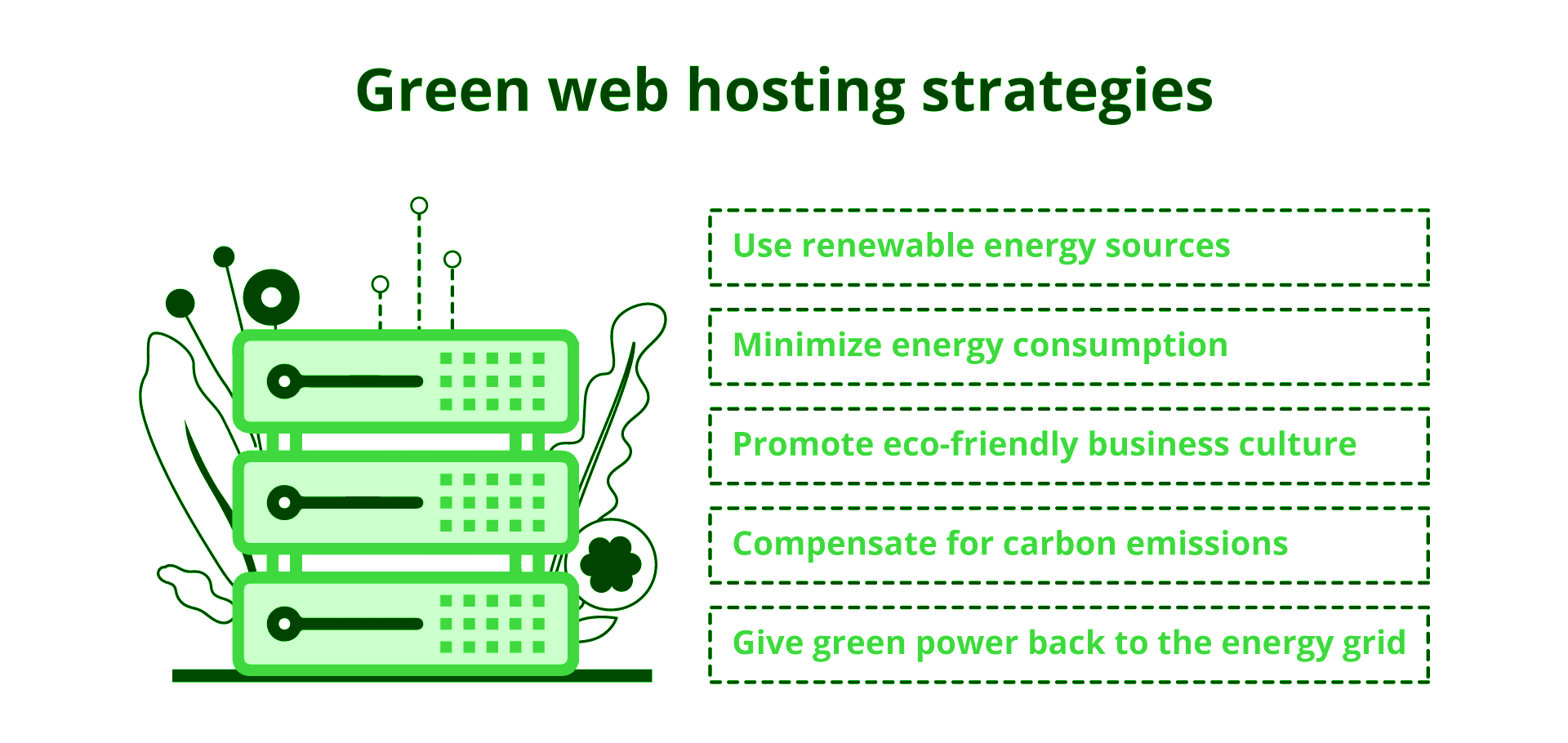
Consumers care about the planet, and so should your site. In 2026, sustainability is no longer a buzzword; it’s a brand differentiator. Smart businesses are showcasing their green credentials right on their homepages. Start by switching to green web hosting providers that use renewable energy. Providers like GreenGeeks, DreamHost, or Kinsta now offer high-speed hosting powered by renewable energy sources, including wind and solar.
Then reduce your site’s carbon footprint with lightweight frameworks, image compression, lazy loading, and caching systems. Utilize carbon measurement tools, such as the Website Carbon Calculator, to audit and optimize your environmental impact.
Even better? Display your sustainability badge in the footer or “About Us” section. Transparency wins trust.Want proof this matters? A 2025 IBM report revealed that 57% of consumers are willing to adjust their online shopping habits to minimize environmental impact.Bonus: Green sites often load faster (less energy = less bloat), improve SEO rankings, and reduce hosting costs.
While your competitors focus on aesthetics, you’ll be building a lean, mean, and earth-friendly machine. In the world of website design trends 2026, sustainability sells.
9. Scalable CMS & Modular Design
In 2026, agility is king. Whether you’re a lean startup or a growing small business, your site must be easy to update, expand, and manage without constant development work. Choosing that stack starts with knowledge of finding the ideal platform for your website design.
Think of your website as Lego. You need interchangeable, reusable blocks, such as text modules, image blocks, and CTA panels; that non-tech teams can easily manage. Headless CMS platforms, such as Contentful or Strapi, provide that flexibility. Even WordPress with Elementor or Webflow offers drag-and-drop control without code.
This isn’t just about ease; it’s about speed to market. Want to launch a new service page? Drop in a pre-approved module, add content, and go live. Need to scale your blog or product catalog? Templates scale with you. Utilize CMS features that include version control, user role management, and workflow automation to ensure your marketing, content, and development teams stay aligned.
A scalable site saves time, reduces maintenance costs, and supports long-term growth. If your backend still feels like a jigsaw puzzle with missing pieces, it’s time to modernize. This is one of the most critical key elements of a professional website; especially as your team grows or your offers evolve.
10. Trust Signals & Social Proof
You can have the best design and fastest site, but without trust? You’re toast. In 2026, consumers crave transparency and third-party validation more than ever. That means your site must demonstrate its trustworthiness, not just claim it. Trust begins with social proof, including real testimonials, star ratings, verified reviews, client logos, and case studies. Use rotating sliders or embedded review feeds (from Google, Clutch, or Yelp) to keep things dynamic.
Include trust badges; such as SSL certification, secure payment icons, refund guarantees, and partner logos; to reduce bounce rates and increase confidence. Want to make it more persuasive? Add video testimonials or “as featured in” sections that showcase media mentions. A strong Google Business Profile optimization strategy amplifies those maps and reviews even more.
And if you’re in a regulated industry (such as legal, finance, or healthcare), demonstrate compliance with relevant certifications and data security frameworks. People buy from brands they trust, and trust is built in pixels. Ensure this critical layer is incorporated into your must-have website features strategy.
Final Thoughts: Build a Website That Works While You Sleep
In 2026, a business website isn’t just your online identity, it’s your smartest employee, your best closer, and your most tireless rep. Every element we’ve discussed in this article isn’t just a checklist item, it’s part of the core business website features that directly impact sales, trust, and growth.
This isn’t about staying current; it’s about staying competitive. The bar is higher, the audience sharper, and the expectations steeper. If your website still reflects the pre-2020 internet, you’re not just outdated, you’re leaking leads daily.
- Imagine a homepage that adapts to every user in real-time
- AI chatbots that handle support even while you sleep
- Blazing-fast speeds that retain attention and reduce bounce
- Design decisions driven by real-time analytics, not hunches
- Green hosting that resonates with value-driven customers
- Modular, scalable structures that let you grow without friction
These aren’t dreams. These are modern website features 2026 businesses are already implementing.
Let eSign Web Services Build It for the Future
If you’re serious about growth, it’s time to stop patching up your old site and start building a 2026-ready digital platform. Whether you’re revamping or starting from scratch, the team at eSign Web Services delivers business website features tailored for conversion, search visibility, and long-term success.
From website design trends 2026 to next-gen integrations, we build more than websites—we build platforms that work while you sleep and scale while you grow.
Get in touch with eSign Web Services for a free quote, and together we’ll craft something built to lead, not just exist.
Frequently Asked Questions
Question: How much should a business expect to invest in implementing these features by 2026?
Answer: Small businesses may invest $25,000–$75,000, while enterprises can exceed $200,000. Focus on high-impact must have website features that deliver strong ROI, customer value, and align with modern website features 2026.
Question: Which features should be implemented first for maximum impact?
Answer: Begin with security, responsive and mobile-friendly design, and mobile-first design. These are core pillars in website design trends 2026, ensuring user trust, fast access, and a foundation for future upgrades.
Question: How often should businesses update their website features?
Answer: Update minor elements monthly and review major features quarterly. An annual audit helps align with key elements of a professional website and keeps your site competitive with modern website features 2026.
Question: Can small businesses realistically implement all these features?
Answer: Yes. By using SaaS tools and phased rollouts, website essentials for small businesses are now affordable, scalable, and don’t demand deep technical expertise to deliver impactful digital performance.
Question: What happens to businesses that ignore these website upgrades?
Answer: Ignoring essential business website features results in lost leads, weak engagement, and outdated UX. In 2026, customers expect modern website features 2026 and they’ll switch to competitors who meet those standards.
Question: How important is site speed in 2026?
Answer: Site speed is mission-critical. A fast website loading speed improves SEO, conversions, and UX. Even a short delay drives users away, making performance a non-negotiable aspect of must have website features.
Question: Are AI chatbots still relevant or overhyped?
Answer: They’re vital. AI chatbots and customer support offer 24/7 engagement, reduce operational load, and provide instant answers, perfect for delivering personalization in line with website design trends 2026.
Question: Do voice assistants influence website features?
Answer: Absolutely. Voice search optimization is becoming essential. Structuring content for natural queries enhances discoverability and ensures alignment with how modern users interact with tech in modern website features 2026.
Author Details

Ashwani Kumar Sharma
Ashwani has been actively involved in SEO services since 2005. His expertise and distinctive work approaches have made him one of the most experienced and trusted SEO experts in the industry. He is a certified SEO and Google Ads professional. He also has strong business development skills in advanced SEO, PPC, and digital marketing strategies.


