



How to Make Your Website AI-Ready: Content, Structure, Schema & User Experience

Key Takeaways:
- An AI-ready website is not built through one special GEO tactic or schema type. It requires strong SEO, content, technical, entity, authority, and UX foundations.
- AI search systems need content that is easy to discover, interpret, retrieve, and trust.
- Website architecture should clearly connect topics, services, locations, entities, and supporting content.
- Schema markup helps machines understand page meaning, but it is not a shortcut to AI visibility.
- Content should answer important questions directly while also providing depth, evidence, and original information.
- Businesses should measure traditional SEO performance and emerging AI visibility together.
- The strongest approach is to make the website useful for people first and easier for search and AI systems to interpret second.
Search is changing quickly. People still use Google, but they are also finding answers through Google AI Overviews, ChatGPT Search, Gemini, Perplexity, and other AI-driven platforms. Instead of opening several search results, users can now ask detailed questions, compare options, and receive summarized answers within seconds.
For businesses, this creates a new challenge: is the website ready to be understood in this changing search environment?
Building an AI-ready website does not mean chasing special AI tricks or publishing large amounts of automated content. The same SEO basics still matter, including useful content, clear site structure, technical accessibility, trustworthy information, and a smooth user experience.
The main difference is that content now needs to be easy to find, understand, extract, verify, and connect with the right business or topic. In this blog, we will explore how to make a website AI-ready through better content, structure, schema, technical SEO, authority, and user experience.
What Does an “AI-Ready Website” Actually Mean?
An AI-friendly website is a site where important information is easy to find and does not leave unnecessary room for confusion. Think about someone searching for “An accounting service for a small company operating in several states”. They may want to know what the service covers, whether the provider understands multi-state requirements, where the company operates, what experience it has, and what the next step would be.
If those details are scattered across different pages, buried under vague marketing copy, or described differently from one section of the site to another, understanding the business becomes harder. The same basic issue applies to AI systems. A website that is genuinely ready for AI-powered discovery needs a few things working together.
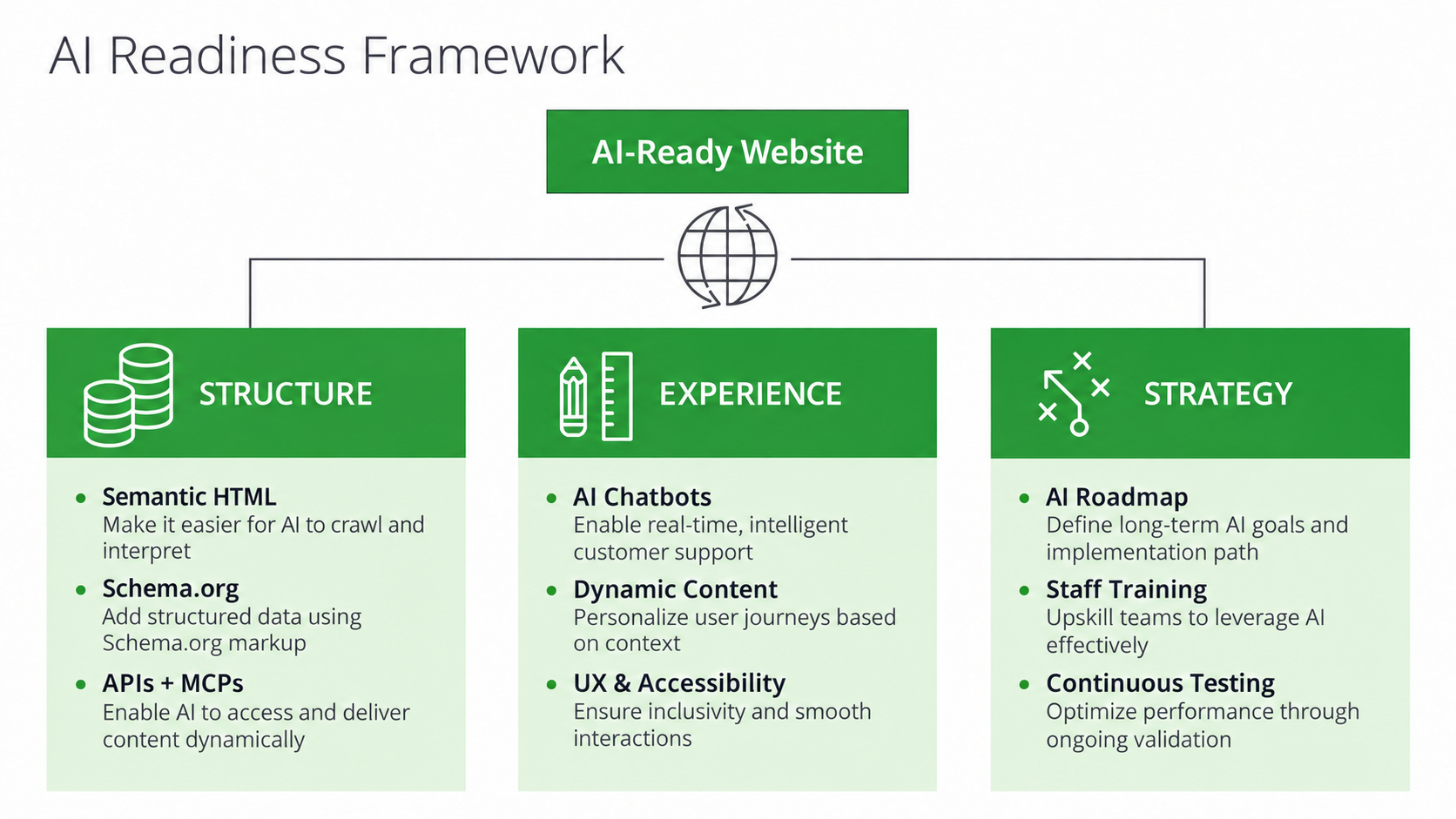
An AI-ready website is not one technical feature. It is the result of content, structure, accessibility, clarity, authority, and usability working together.
AI-Friendly Website = Clear Information + Easy Understanding
AI-Ready Does Not Mean Replacing Traditional SEO
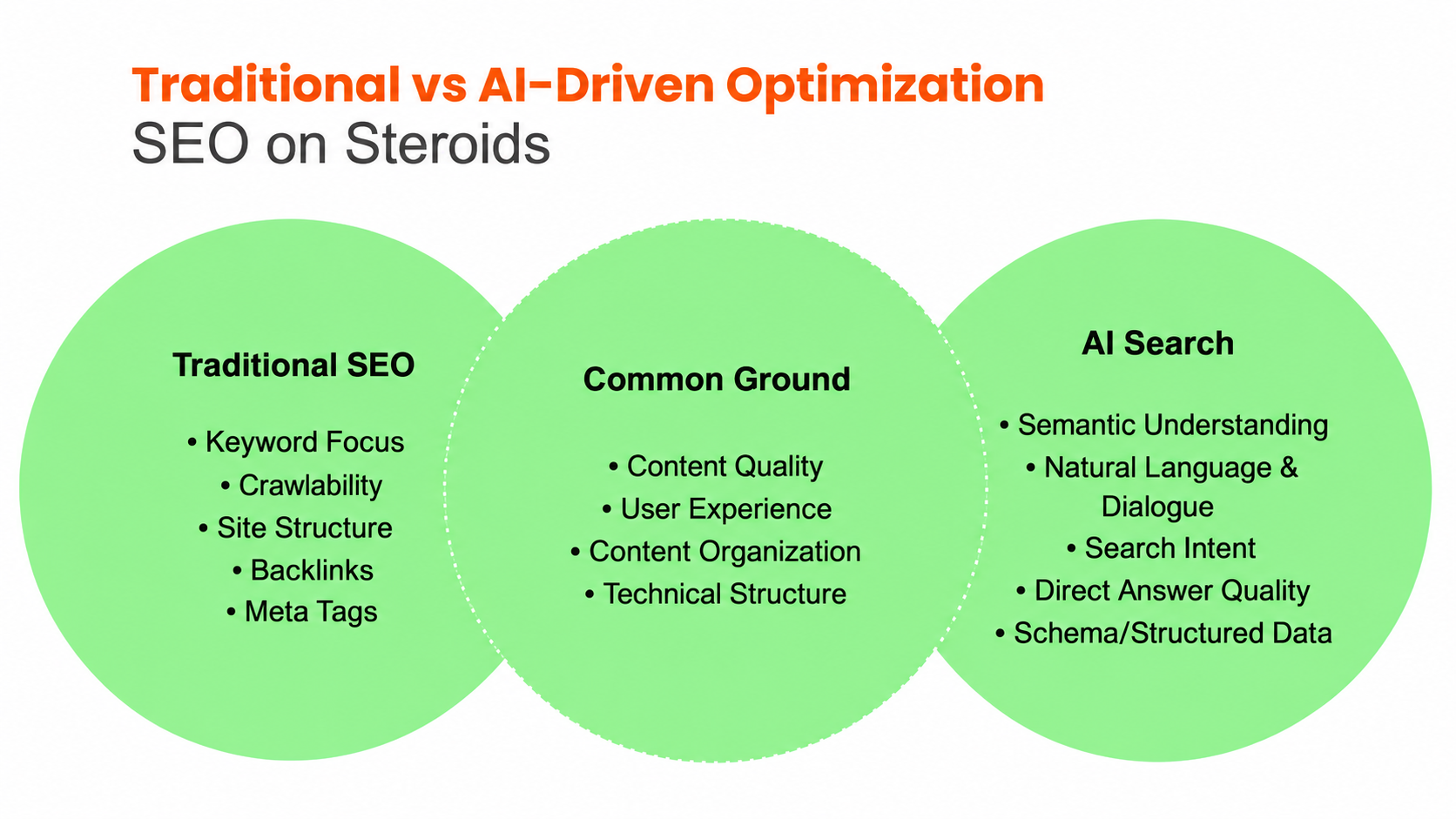
There is a growing tendency to treat SEO and AI optimization as two completely different things. In practice, they overlap far more than they differ.
Generative Engine Optimization, or GEO, focuses on making information easier to understand and potentially use in generative search experiences. Answer Engine Optimization, or AEO, puts more attention on answering questions clearly and usefully. AI SEO is often used as a wider term for adapting optimization strategies to AI-powered search. A sensible GEO website optimization strategy therefore starts with the website’s existing SEO foundation. The same applies to AEO website optimization.
Businesses trying to optimize websites for ChatGPT discovery or optimize websites for Google AI Overviews do not need to create strange AI-only versions of their content. In most cases, they need to improve the quality and clarity of the pages customers are already using.
Pillar 1 – Build Content AI Systems Can Understand and Use
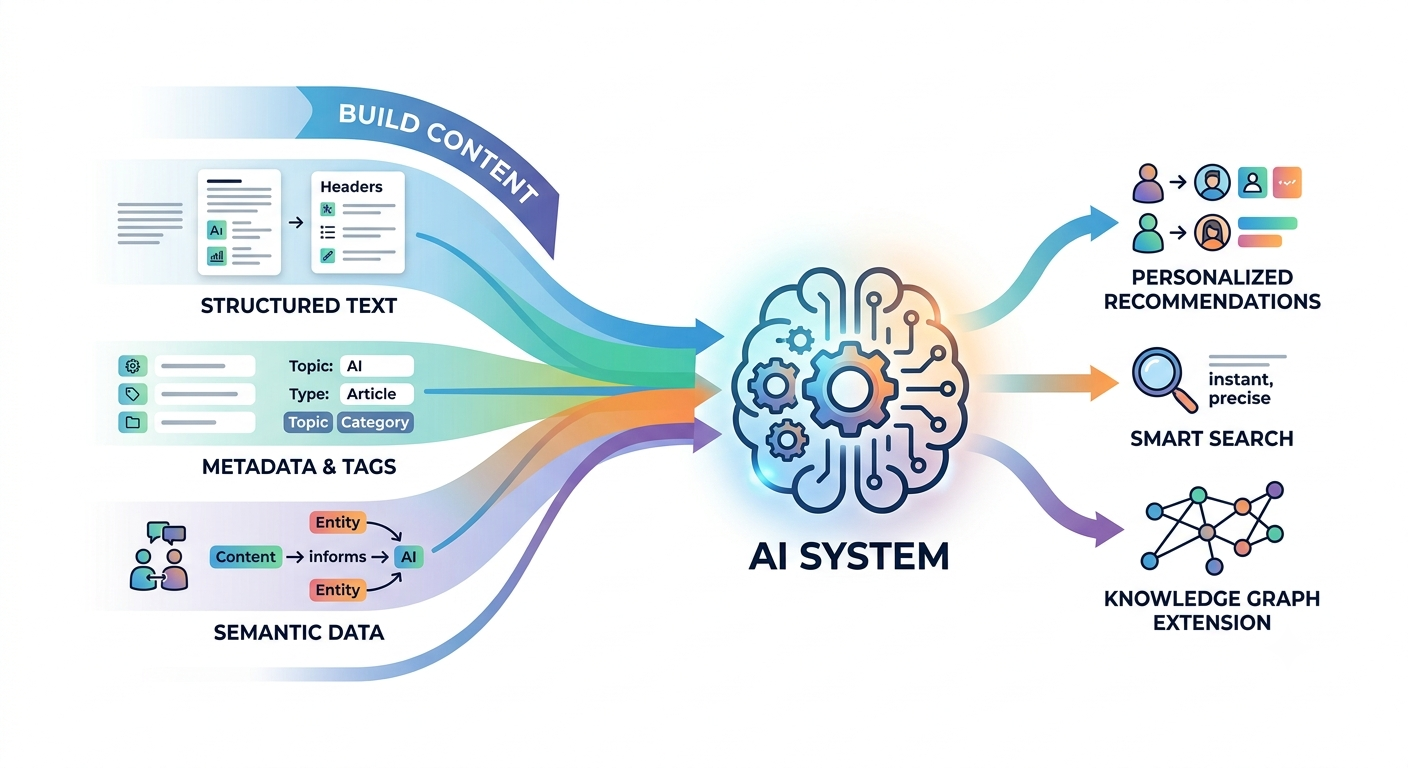
AI systems work best with content that is clear, useful, and easy to follow. The aim is not to write for machines. It is to answer real questions in a way that gives both readers and search systems enough context to understand the topic properly.
- Start with Real User Intent: Begin by understanding what the reader is genuinely trying to find out, solve, compare, or decide.
- Answer the Main Question Early: Give the main answer near the beginning instead of making readers work through several paragraphs to find it.
- Structure Complex Information Logically: Break difficult topics into sections that follow a natural order and are easy to scan.
- Include Relevant Entities and Context: Mention important people, services, products, locations, tools, and related concepts when they genuinely add meaning.
- Support Important Claims with Evidence: Back important statements with reliable research, data, expert sources, or first-hand proof where appropriate.
- Keep Facts Current: Review important information regularly so outdated details do not weaken otherwise useful content.
- Remove Generic Filler: Cut vague sentences that sound polished but do not actually teach the reader anything.
Good AI-ready content is really just good content with clear structure, useful detail, and reliable information. If the page answers the right question well, both people and machines have an easier time understanding it.
Build Information Gain into Your Content
AI can already summarize much of what exists online. The better opportunity is to add something readers cannot get from another generic article covering the same topic.
- Original Research: Publish findings from your own surveys, interviews, experiments, testing, or analysis.
- Proprietary Data: Use useful patterns or insights from your own business data when it can help the reader.
- Expert Commentary: Include opinions and explanations from people who have real knowledge of the subject.
- First-Hand Experience: Share what you learned by actually doing the work rather than only describing theory.
- Unique Industry Examples: Use situations that are familiar to the audience instead of generic examples that could apply anywhere.
- Practical Lessons from Real Work: Share mistakes, successes, and adjustments that came from actual projects.
Information gain is what gives people a reason to choose your content over another summary. Real experience, useful data, and original thinking are much harder to replace.
Pillar 2 – Build a Website Structure AI Can Interpret
A well-organized website makes it easier for visitors and search systems to understand what the site covers, where important pages sit, and how different topics connect.
- Create Clear Topic Hierarchies: Place broad topics above more detailed supporting pages so the relationship is easy to understand.
- Organize Services Logically: Group related services in a way that feels natural to customers.
- Use Strong Category Structures: Keep categories meaningful and avoid creating unnecessary layers that make the site harder to navigate.
- Build Topic Clusters: Create related resources around one main subject instead of publishing disconnected articles.
- Keep Important Pages Close to the Main Navigation: Do not bury valuable pages several clicks deep unless there is a good reason.
- Use Descriptive URLs: Create simple URLs that give a clear idea of what the page is about.
- Maintain Breadcrumb Navigation: Help users understand where they are and how the current page fits into the wider site.
A clear structure removes confusion. It helps users find information faster and gives search systems a better sense of which pages and topics matter most.
Use Internal Linking to Explain Relationships between Pages
Internal links help readers see how different pages on a website connect with each other. Rather than placing links everywhere, they should guide people toward useful information that adds more context to what they are already reading.
A strong internal linking structure should connect related topics, lead supporting articles to key service or category pages, and make relationships between services, products, locations, and other subjects easier to follow. For broader topics, a main page can also work as a hub that points readers toward more detailed supporting content.
The main focus should always be relevance. Every internal link should serve a clear purpose and help readers move through the website without feeling lost.
Good Internal Linking = Clear Connections + Easier Navigation
Pillar 3 – Strengthen Entity Signals
Search and AI systems need to understand more than keywords. They also need clear signals about who the business is, what it offers, where it operates, and how its people, services, and locations connect.
- Use a Consistent Business Name: Keep the company name consistent across the website and important external profiles.
- Clearly Define Products and Services: Explain exactly what the business offers instead of relying on vague descriptions.
- Maintain Consistent Contact Information: Keep phone numbers, addresses, email details, and other business information accurate.
- Strengthen About and Author Pages: Make it clear who is behind the business and who is responsible for important content.
- Strengthen Third-Party Mentions: Build genuine references from relevant websites, publications, and directories.
- Avoid Conflicting Business Information: Correct inconsistent names, addresses, services, or contact details wherever they appear.
Clear entity signals reduce uncertainty and make it easier to understand the real business behind the content.
Pillar 4 – Implement Structured Data Correctly
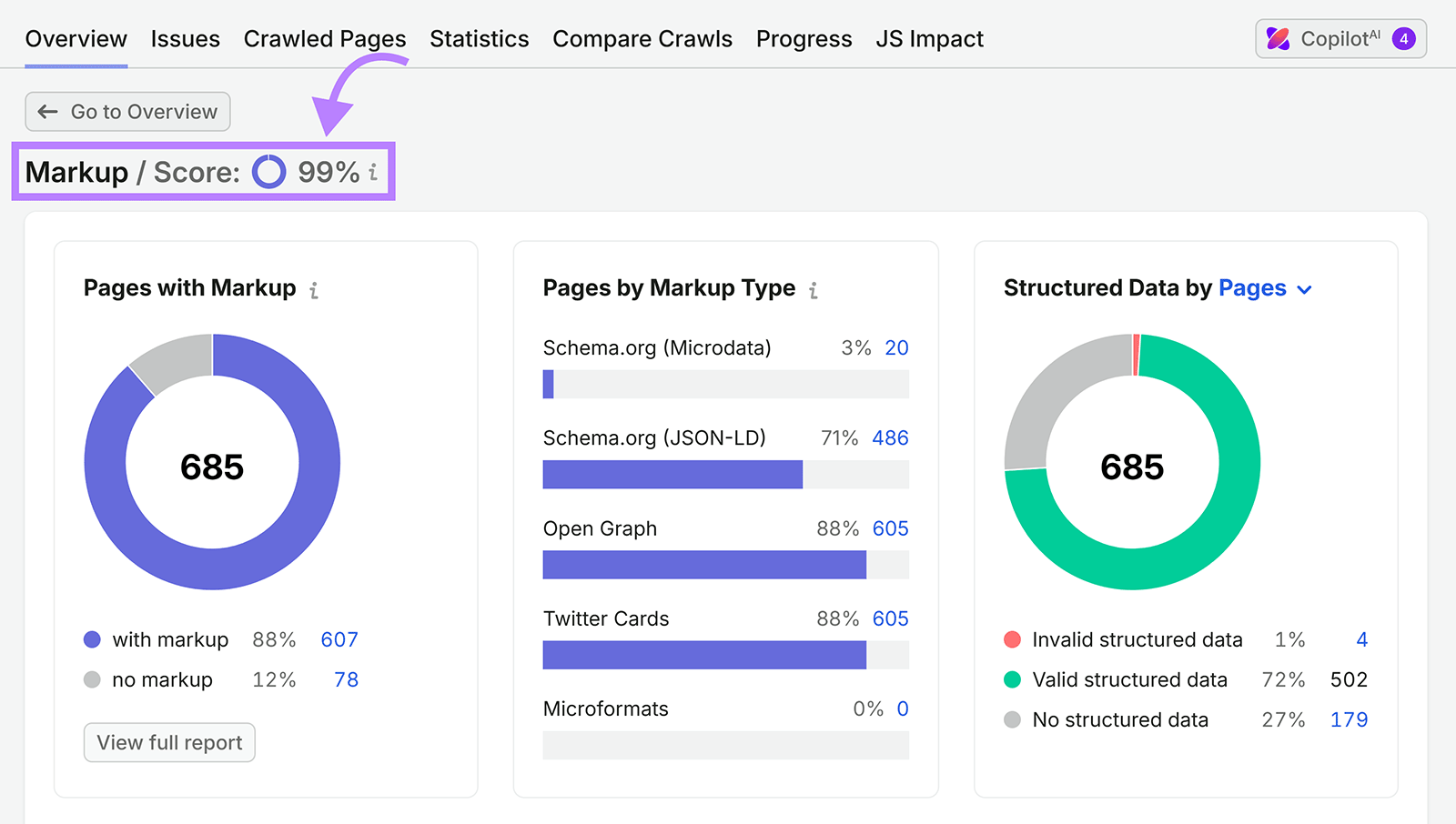
Schema can give search systems extra context, but only when the markup accurately reflects what users can actually see on the page.
- Organization Schema: Describe the company and its main identifying information.
- Local Business Schema: Add relevant business and location details where local context matters.
- Service Schema: Help clarify the individual services a business provides.
- Breadcrumb Schema: Explain where the page sits within the wider website structure.
- FAQ Schema Where Appropriate: Use it only when genuine FAQs are visibly present and suitable for the page.
- Person and Author Schema: Add clearer information about authors, specialists, or other relevant people.
- Video and Other Relevant Schema Types: Use additional structured data only when it accurately fits the content.
Schema should support the page, not try to create signals that the visible content does not deserve.
Common Schema Mistakes That Hurt More Than They Help
Poorly implemented structured data can make a page more confusing instead of clearer.
- Adding Schema That Does Not Match Visible Content: Only mark up information users can genuinely find on the page.
- Using Incorrect Business Types: Choose the business category that most accurately reflects what the organization actually does.
- Duplicate or Conflicting Markup: Avoid giving search systems different versions of the same business or page information.
- Overusing FAQ Schema: Do not add unnecessary FAQs simply to create more structured data.
- Adding Unsupported Ratings: Use ratings only when they are genuine, visible, and appropriate for the markup.
Accurate schema is far more useful than excessive schema. The goal is clarity, not volume.
Good Schema = Accurate Markup + Clear Information
Pillar 5 – Improve Crawlability and Technical SEO
Even excellent content can struggle if search systems cannot reliably find, access, or understand the page.
- Ensure Important Pages Are Indexable: Check that valuable pages are not accidentally blocked from indexing.
- Maintain a Clean XML Sitemap: Keep important canonical URLs in the sitemap and remove unnecessary entries.
- Configure Robots.txt Correctly: Block unwanted crawling without preventing access to useful content.
- Fix Broken Links: Repair internal links that lead users and crawlers to missing pages.
- Resolve Redirect Problems: Remove unnecessary chains, loops, and incorrect destinations.
- Reduce Duplicate Content: Avoid publishing several pages that do essentially the same job.
- Keep Important Content Available in the HTML Where Appropriate: Do not hide essential information behind unnecessary scripts.
A strong technical foundation gives valuable content a better chance of being discovered and understood.
Pillar 6 – Improve Website Performance and Core Web Vitals
A fast, stable site is easier to use and less frustrating, especially for people visiting from mobile devices.
- Optimize Largest Contentful Paint: Help the main visible content load quickly.
- Improve Interaction to Next Paint: Reduce delays when users click, tap, or interact with the page.
- Reduce Cumulative Layout Shift: Stop text, buttons, and images from moving around unexpectedly while the page loads.
- Compress Images: Reduce file sizes without noticeably damaging image quality.
- Improve Server Performance: Reduce delays before page content begins loading.
- Monitor Mobile Performance Separately: Test how the site behaves on real mobile experiences, not just desktop.
Better performance makes the website easier to use while also supporting the wider technical health of the site.
Pillar 7 – Make User Experience Part of AI Readiness
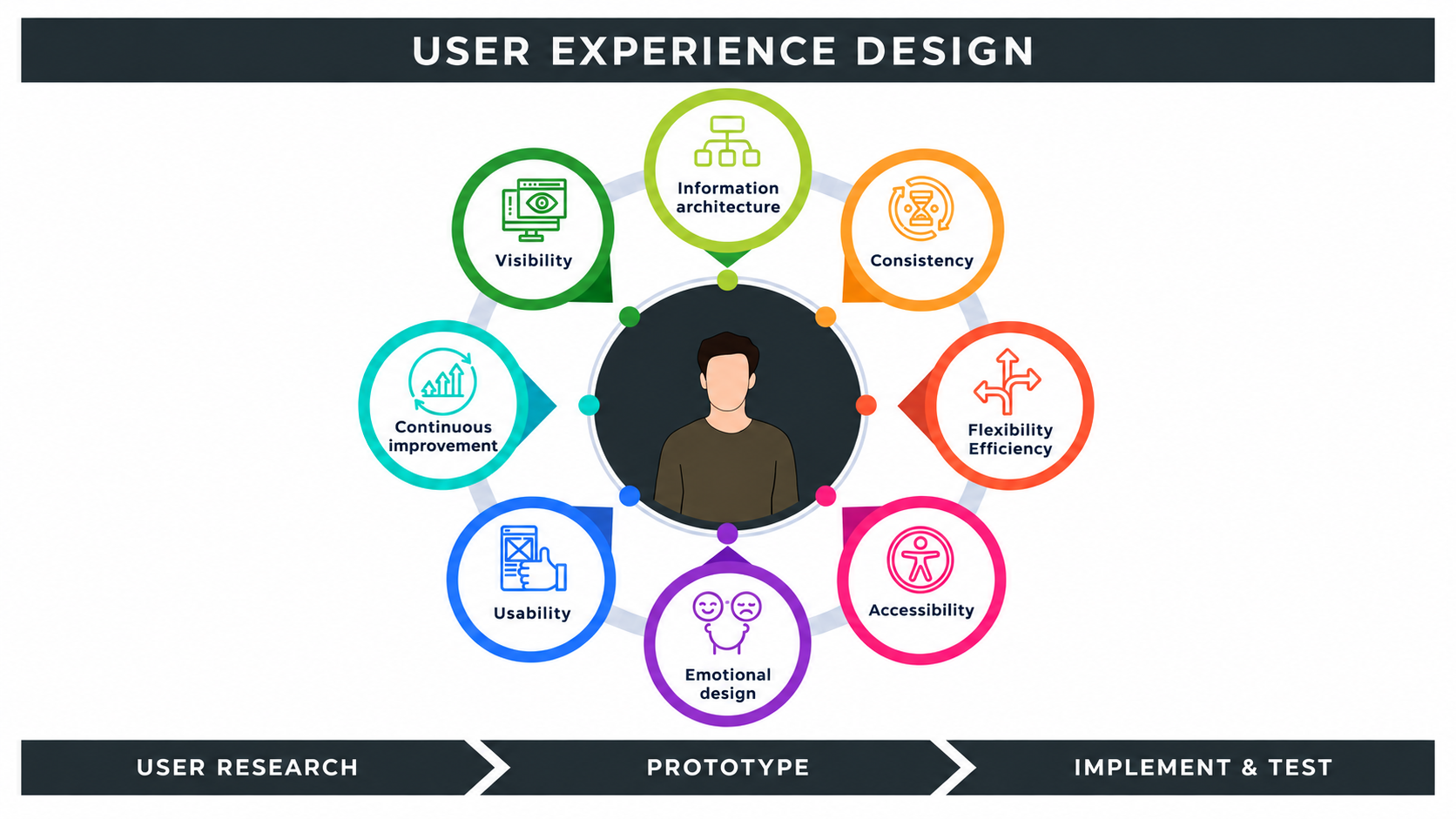
A website should never become easier for machines to understand while becoming harder for people to use.
- Clear Navigation: Help visitors reach important pages without unnecessary searching.
- Strong Visual Hierarchy: Make headings, sections, and important actions easy to recognise.
- Readable Typography: Use comfortable font sizes, spacing, and contrast.
- Mobile-Friendly Design: Make sure content and forms work properly on smaller screens.
- Accessible Content: Design pages so people with different needs can still use them comfortably.
- Helpful Forms: Ask for only the information that is genuinely needed.
- Consistent Page Layouts: Keep familiar patterns across related pages so the site feels easier to use.
A strong user experience helps turn visibility into trust, engagement, and action.
Pillar 8 – Strengthen EEAT and Trust Signals
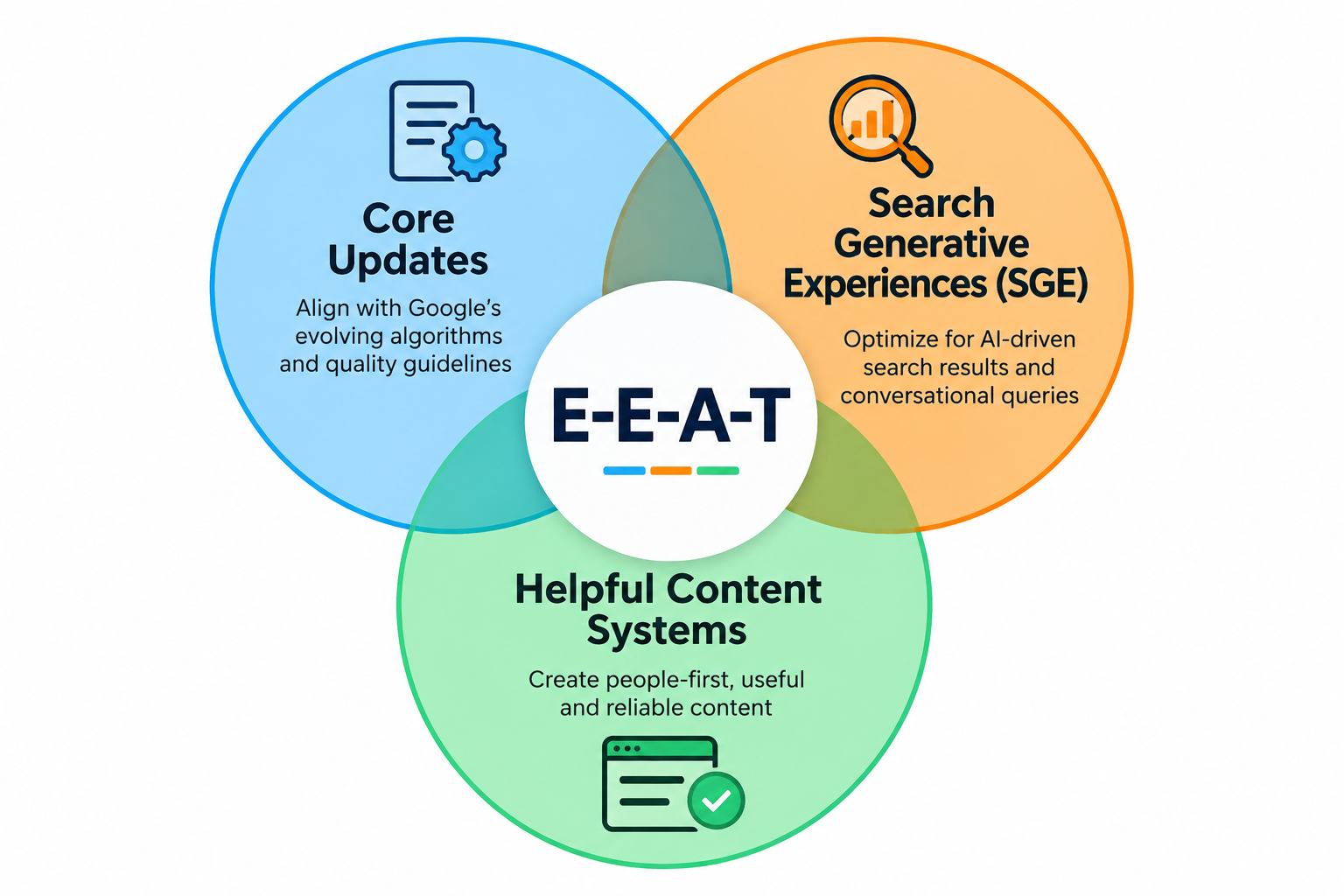
Trust matters when people and search systems are deciding whether information deserves confidence.
- Demonstrate Real Experience: Show knowledge that comes from actual work and practical involvement.
- Show Subject-Matter Expertise: Give accurate, detailed explanations from people who understand the topic.
- Use Clear Author Information: Let readers know who wrote or reviewed important content.
- Publish Transparent Business Information: Make services, ownership, and contact details easy to verify.
- Maintain Editorial Standards: Review content for accuracy, quality, and consistency.
- Keep Important Content Updated: Refresh pages when facts, services, or recommendations change.
Trust is built through consistency, not through one badge, author box, or page.
Pillar 9 – Build Authority outside Your Website
A website cannot build all of its credibility by talking about itself. Outside recognition helps confirm that the business or expert is genuinely established.
- Earn Relevant Backlinks: Build links from credible websites connected to your field.
- Build Digital PR: Earn coverage through useful stories, research, commentary, or expertise.
- Earn Brand Mentions: Encourage genuine references to the company across trusted sources.
- Appear in Trusted Industry Sources: Build visibility in places your audience already respects.
- Strengthen Business Profiles: Keep important external profiles accurate and complete.
- Build Expert Citations: Give knowledgeable team members opportunities to contribute useful insight.
External authority adds another layer of trust that on-site content alone cannot provide.
Pillar 10 – Optimize for Conversational and AI Search Queries
People increasingly search using complete questions and natural language, especially when interacting with AI-driven search experiences.
- Research Natural-Language Questions: Study how people actually ask about your products, services, and topics.
- Address Problem-Solution Searches: Explain both the problem and realistic ways to solve it.
- Answer Commercial Investigation Queries: Help users who are comparing options before making a decision.
- Include Location Context Where Relevant: Add geographic information when location genuinely changes the answer.
- Use Natural Language Instead of Forced Keyword Variations: Write the way people naturally speak and read.
Conversational optimization works best when it reflects real questions instead of trying to imitate them unnaturally.
Common AI-Readiness Mistakes Businesses Should Avoid
Trying too hard to optimize specifically for AI can create worse content if businesses forget that real people are still the audience.
- Creating Separate “AI Pages” With No User Value: Avoid pages created only to attract machines.
- Publishing Large Volumes of Generic AI Content: More content is not better when it adds nothing new.
- Ignoring Traditional SEO: Strong technical and content fundamentals still matter.
- Overusing Schema: Extra markup does not automatically create extra visibility.
- Stuffing Pages With Questions: Do not force dozens of questions into a page just to appear conversational.
- Writing for LLMs Instead of Customers: Keep usefulness to people as the main priority.
- Assuming AI Visibility Can Be Guaranteed: No technique can promise that a page will appear in AI-generated answers.
AI readiness should improve a genuinely useful website, not turn it into something written mainly for machines.
A 12-Step AI-Ready Website Framework
A practical framework makes it easier to improve the parts of the website that support both traditional search and AI-driven discovery.
- Step 1 – Audit Technical SEO: Find crawling, indexing, duplication, and performance problems.
- Step 2 – Map Core Entities: Identify the important brands, people, services, products, and locations.
- Step 3 – Review Website Architecture: Check whether key topics and pages are organized clearly.
- Step 4 – Identify Important Topics and Questions: Map what customers genuinely want to know.
- Step 5 – Improve Core Commercial Pages: Strengthen the pages closest to leads, sales, and revenue.
- Step 6 – Build Topic Clusters: Create useful supporting content around important areas of expertise.
- Step 7 – Add Original Information Gain: Bring in real experience, data, examples, and expert insight.
- Step 8 – Implement Relevant Structured Data: Add accurate schema where it genuinely helps understanding.
- Step 9 – Improve UX and Performance: Make important pages fast, clear, and comfortable to use.
- Step 10 – Strengthen EEAT and Brand Authority: Build stronger evidence of experience, expertise, and trust.
- Step 11 – Measure Google and AI Visibility: Track how the brand and pages are being discovered.
- Step 12 – Continuously Refresh and Improve: Keep content, data, technical elements, and examples current.
This process keeps AI readiness tied to real website quality rather than turning it into a separate optimization trick.
How to Measure Whether Your Website Is Becoming More AI-Ready
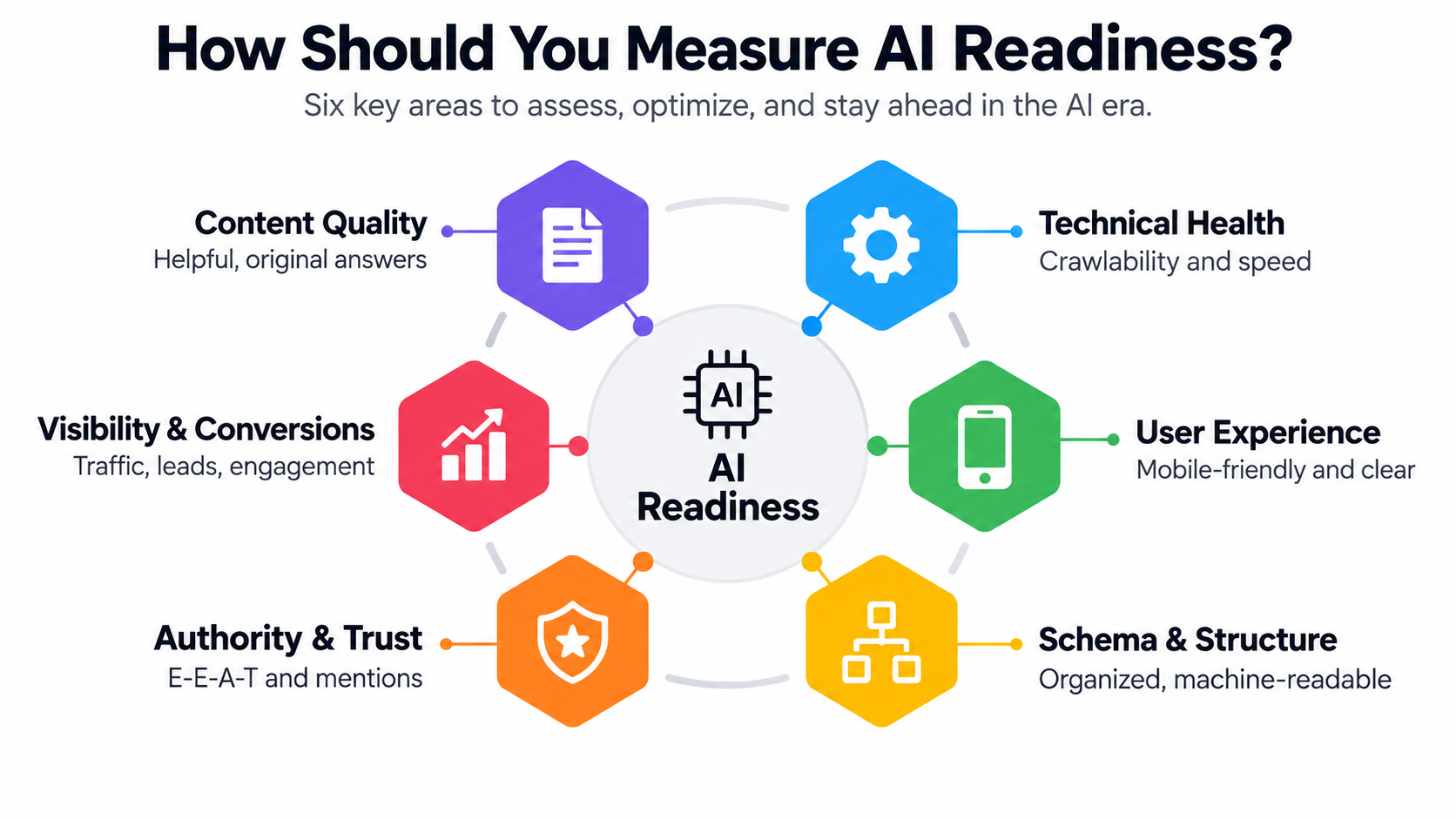
There is no single metric that proves a website is AI-ready. A better view comes from looking at visibility, engagement, trust, and commercial performance together.
- Organic Search Visibility: Track whether important pages appear more often in traditional search.
- Crawl and Index Coverage: Make sure valuable pages are being found and indexed correctly.
- Topical Ranking Growth: Watch whether visibility improves across groups of related searches.
- Backlinks and Brand Mentions: Measure whether credible external references are growing.
- AI Citations: Track cases where AI platforms reference your pages where this can be measured.
- AI Brand Mentions: Monitor whether the brand appears in relevant AI-generated answers.
- Qualified Leads: Measure enquiries that genuinely fit the target customer.
- Conversion Rate: Track how effectively traffic turns into useful actions.
- Revenue Contribution: Connect visibility improvements with actual business value.
The goal is not simply to appear more often. It is to become easier to discover while also generating stronger business results.
Conclusion
Making a website AI-ready does not mean abandoning everything businesses already know about SEO. The fundamentals still matter. Important pages need to be accessible. Content needs to answer real questions. The site should have a logical structure. Structured data should accurately describe what is on the page. Business information should remain consistent, and visitors need a good user experience once they arrive.
A practical modern approach brings together SEO + Content + Structure + Schema + Entities + Authority + UX + AEO + GEO.
Businesses that spend all their time looking for an AI shortcut may end up chasing tactics that disappear quickly. Improving the whole website gives you something more durable: a site that works better for traditional search, AI-powered discovery, and the people you ultimately want to reach.
Want to Build a Website Ready for Modern Search?
If your website has content gaps, technical problems, unclear structure, weak entity signals, or missed AI search opportunities, connect with eSign Web Services for a tailored SEO proposal focused on sustainable search growth. Search behavior is changing, but businesses still need websites that people can find, understand, trust, and use.
Frequently Asked Questions
Question: What does it mean to make a website AI-ready?
Answer: An AI-ready website is easy for search and AI systems to discover, understand, retrieve, and connect with the correct entity. It combines useful content, technical accessibility, logical architecture, relevant schema, authority, and strong UX. The goal is not simply AI visibility but clearer information that remains genuinely valuable to users.
Question: How can I optimize my website for AI search?
Answer: Start with strong SEO fundamentals. Make important pages crawlable and indexable, answer real user questions clearly, strengthen site architecture and internal links, provide original information, clarify business entities, implement accurate structured data, improve page experience, and build external authority. AI optimization works best when these elements support one another.
Question: Does schema markup help with AI search visibility?
Answer: Schema markup can help machines interpret page content and understand entities or relationships more clearly, but it does not guarantee AI citations, rankings, or visibility. Use structured data only when it accurately represents visible content. Treat schema as a supporting layer of technical clarity rather than a standalone AI optimization strategy.
Question: What type of content works best for Google AI Overviews and AI search?
Answer: Useful content should answer the main question clearly while providing enough depth, context, evidence, and originality to help the reader fully understand the topic. First-hand experience, expert commentary, comparisons, original research, practical examples, current information, and clearly sourced facts can make a page more useful than generic summaries.
Question: How important is website structure for GEO and AEO?
Answer: Website structure is important because it helps users and search systems understand relationships between topics, services, entities, and supporting pages. Clear navigation, logical categories, descriptive URLs, breadcrumbs, topic clusters, and contextual internal links can make important information easier to discover and interpret while creating a smoother journey for visitors.
Author Details

Ashwani Kumar Sharma
Ashwani has been actively involved in SEO services since 2005. His expertise and distinctive work approaches have made him one of the most experienced and trusted SEO experts in the industry. He is a certified SEO and Google Ads professional. He also has strong business development skills in advanced SEO, PPC, and digital marketing strategies.


