



Top SEO Trends for 2026: AI, Entities, Trust & Topical Authority

Key Takeaways:
- SEO in 2026 rewards clarity, trust, and depth, not keyword stuffing or shallow articles anymore.
- AI-powered search overviews favor brands whose content is easy to quote, summarize, and verify reliably.
- Strong entity signals help search engines understand your brand, services, experts, and niche more confidently.
- Trust signals; design, reviews, policies, real people; turn nervous visitors into confident leads and long-term fans online.
- Topical authority comes from focused content clusters, not random posts chasing every trend or keyword.
- Regularly reviewing SERPs keeps you aligned with evolving search intent, formats, features, and user expectations.
- Clean page structure helps humans skim quickly and helps algorithms understand, categorize, and rank pages.
- Small brands win by choosing niches, proving results, and improving steadily instead of chasing shortcuts.
If you had to answer “what are the top SEO trends for 2026?” in one breath, here it is: SEO trends 2026 revolve around AI-shaped search results, clearer entity signals, visible trust, and deep topical authority that proves real expertise. To put it another way, search engines are moving away from just counting keywords and toward deciding your identity, reputation, and whether or not users can safely follow your advice. Everything from entity graphs and E-E-A-T to AI summaries and zero-click results is connected by rewarding content that feels genuinely dependable.
This matters for small businesses, startups, and agencies because you no longer need the biggest content team; you need the best-organized expertise and a repeatable way to showcase it. You become the simplest, safest recommendation for both humans and AI systems when your website explains a few key topics better than anyone else, using a clear structure, trusted sources, recognized experts, and truly useful examples. Use this guide as a blueprint to transform AI, entities, trust, and topical depth into a useful, compounding advantage if you’re sick of sporadic, one-off blog posts.
We’ll walk through each of those pillars with practical to-dos, brief checklists, and real-world examples so you can stop worrying about algorithms and start building an SEO engine that really grows over time.
Why SEO Is Becoming More Intelligent?
SEO trends 2026 highlight meaning, context, and user satisfaction because search is finally acting less like a word-matching robot and more like a picky, eager researcher. These days, algorithms assess whether your page is the best fit for a given query, how well you actually respond to questions, and how logically ideas connect. With AI SEO, ranking systems increasingly rely on machine learning models that can interpret nuance, intent, and real usefulness instead of raw keyword counts. You would be better off creating a semantic SEO strategy that groups related questions, explains them in detail, and provides readers with specific next steps they can take rather than obsessing over keyword density.
- Search engines now look beyond individual keywords. They try to understand the intent behind a query, the context around it, and how topics connect, which means pages that clearly answer real questions tend to perform better.
- Thin, repetitive, or obviously auto-generated content is easier for algorithms to recognize and ignore. As a result, low-effort pages struggle to gain visibility, while more thoughtful content stands out.
- Simple structure makes a difference. Clear headings, shorter paragraphs, and small examples help search systems understand what each section is about and how it fits into the broader topic.
- Content that genuinely helps people often keeps them reading longer and exploring further. Those engagement signals suggest the page delivered value, which can gradually support stronger rankings over time.
Every article you write for this more intelligent search turns into a tiny “answer engine” rather than a lottery ticket. You should start publishing to help real people make decisions, not just to fill the calendar. That mindset shift leads to deeper engagement, better rankings, and content that’s much harder for competitors to copy. Intelligent search isn’t your enemy; it’s a spotlight pointed at whoever explains the topic best.
Is AI Search Changing the Game?
AI-powered overviews are like 24/7 featured snippets summarizing half the web for your user, which means your goal with AI SEO isn’t just “sit somewhere on page one” anymore; it’s “become the safest, clearest explanation this system can quote.” That’s where AI search optimization comes in, structuring content like a conversation, keeping facts current, citing sources, and giving AI models copy-paste-ready answer blocks. If bots struggle to summarize you in 30 seconds, they’ll happily summarize your competitor instead.
- AI overviews favour pages with concise answer blocks, clear headings, and obvious takeaways for common questions.
- Conversational, Q&A-style sections match how users speak to assistants and how AI tools generate responses.
- Fresh stats and references reduce the risk of hallucinations, making your page a safer candidate for AI-generated overviews.
- Designing “answer packs” improves performance for both human scanners and future chat-style search interfaces.
Consider a payroll SaaS platform whose “Contractor vs. Employee” guide is used in response to legal inquiries. The brand maintains its dominance in mindshare even if some clicks are lost to AI summaries. AI systems are more likely to select your page as a primary source if your content appears to be something an assistant would happily read aloud. You’re no longer just ranking; you’re actively influencing the first answer users see.
Entity Signals Will Matter More
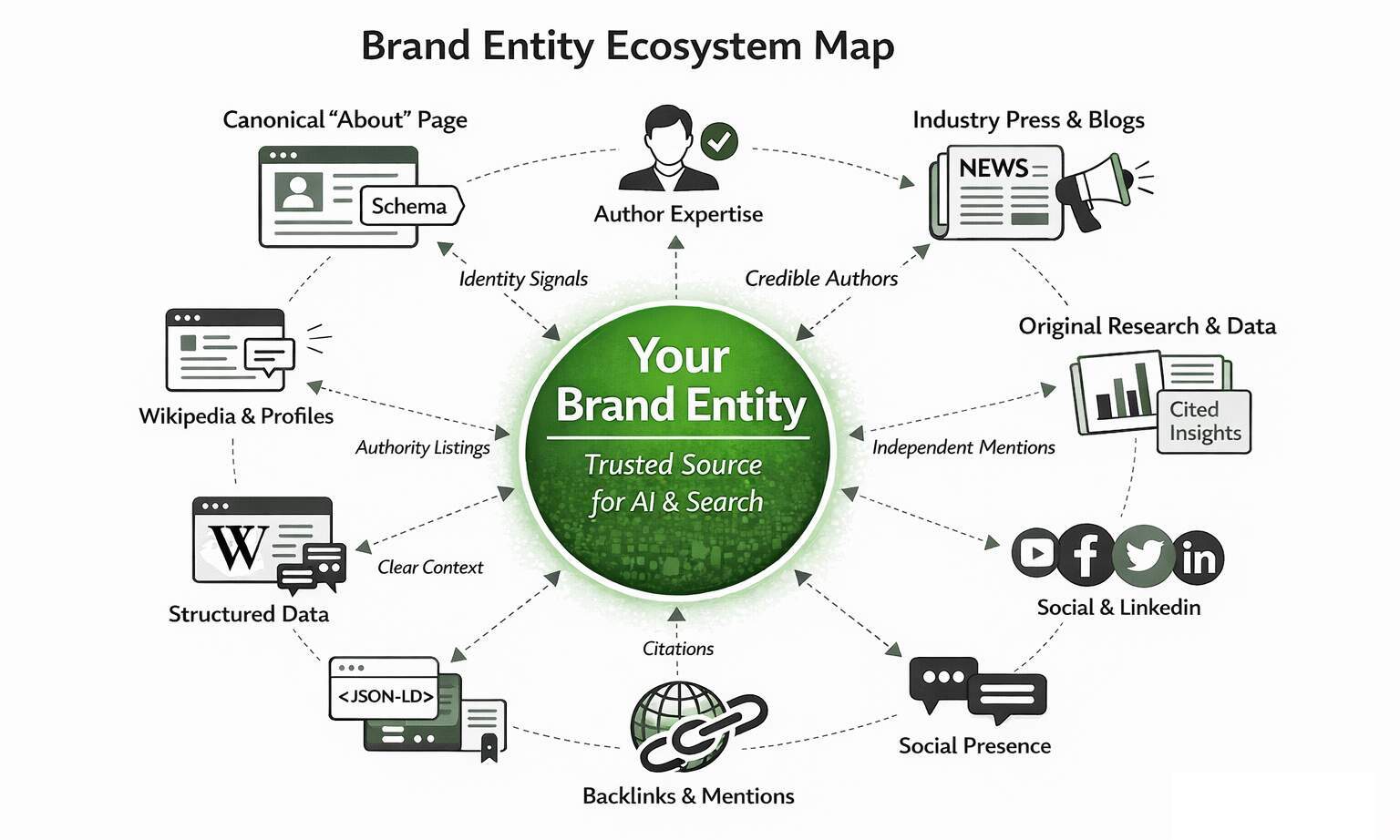
Entities are the web’s shorthand for “who are you really, and how do you fit into everything else?” In entity-based SEO, your brand, services, founders, and locations all become clearly defined “things” that algorithms can recognize, cross-check, and trust. SEO trends 2026 push this harder because AI systems hate ambiguity; if your name, niche, and value proposition bounce around across platforms, they quietly favour the competitor whose story is consistent everywhere from the homepage to LinkedIn to Google Business Profile.
- Consistent brand names, services, and locations across profiles help algorithms build a confident machine-readable identity.
- Author pages, bios, and headshots show real humans behind the content, reinforcing expertise and accountability.
- Mentions on niche sites, podcasts, and directories reinforce your positioning more than random, off-topic backlinks ever could.
- Structured data for Organization and Person entities gives crawlers clean metadata, improving snippets and knowledge panels.
Consider your entity footprint as the business’s public resume. Search engines can say, “This is who they are, what they do, and who their experts are,” with ease when everything is in order, including site copy, social bios, directory listings, and PR mentions. Rankings, local packs, and the amount with which you fall into AI responses are all influenced by this clarity. You’re not just chasing links anymore; you’re building a clear, machine-friendly identity that compounds over time.
Trust Is Now a Core SEO Signal
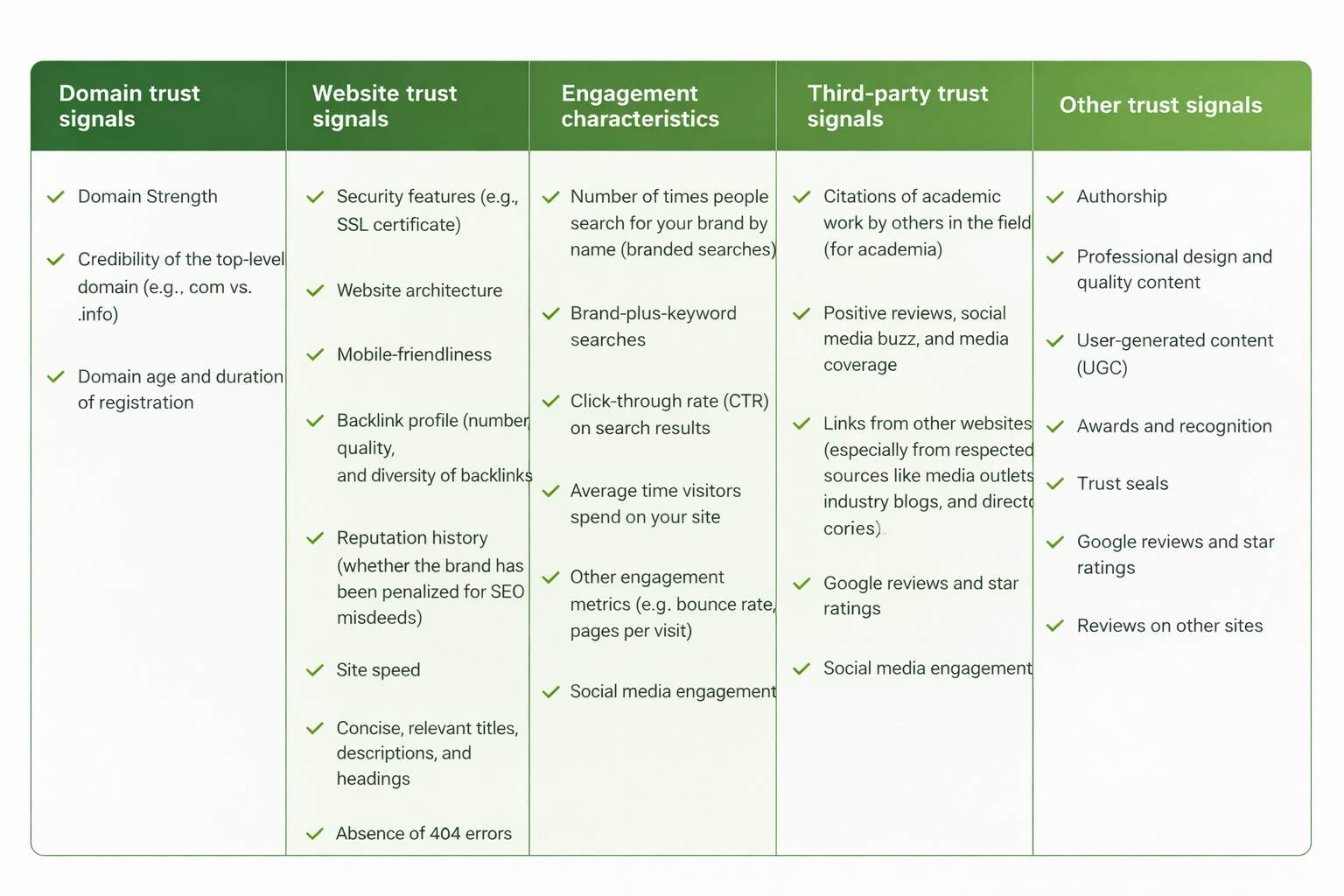
Whether your website feels safe or not, people’s brains take just half a blink to figure it out, and that’s before they read a single sentence. At that point, trust signals like clean design, HTTPS, human photos, clear contact information, and upfront promises all whisper, “Relax, this is trustworthy.” That’s where trust signals SEO stops being a “nice to have” and becomes a ranking essentials.
Pair that with strong content credibility signals like cited sources, recent dates, named experts, and transparent policies, and your pages become exactly the kind of answer search engines want to recommend.
- Visual signals; badges, logos, faces; calm quick feedback that otherwise causes calm, instant closing of the tab bounces.
- Clear promises on refunds, security, and support reduce anxiety, lifting both conversions and time on page.
- Reviews, testimonials, and case snapshots prove outcomes, not just claims, making your story safer to believe.
- Consistent quality across pages teaches algorithms that your site delivers reliably, reinforcing long-term visibility and loyalty.
Think about trust as the hidden force that keeps your SEO strategy together. Rankings may show up without it, but leads gradually disappear, and algorithms become aware of it. Every visitor receives tiny signals from it, such as “this looks real,” “these people seem capable,” and “others had good experiences,” which add up to clicks, phone calls, and completed forms. You’re not just decorating pages with badges; you’re building a reputation system that search engines can see, and users can feel within seconds.
Topical Depth Will Beat Volume
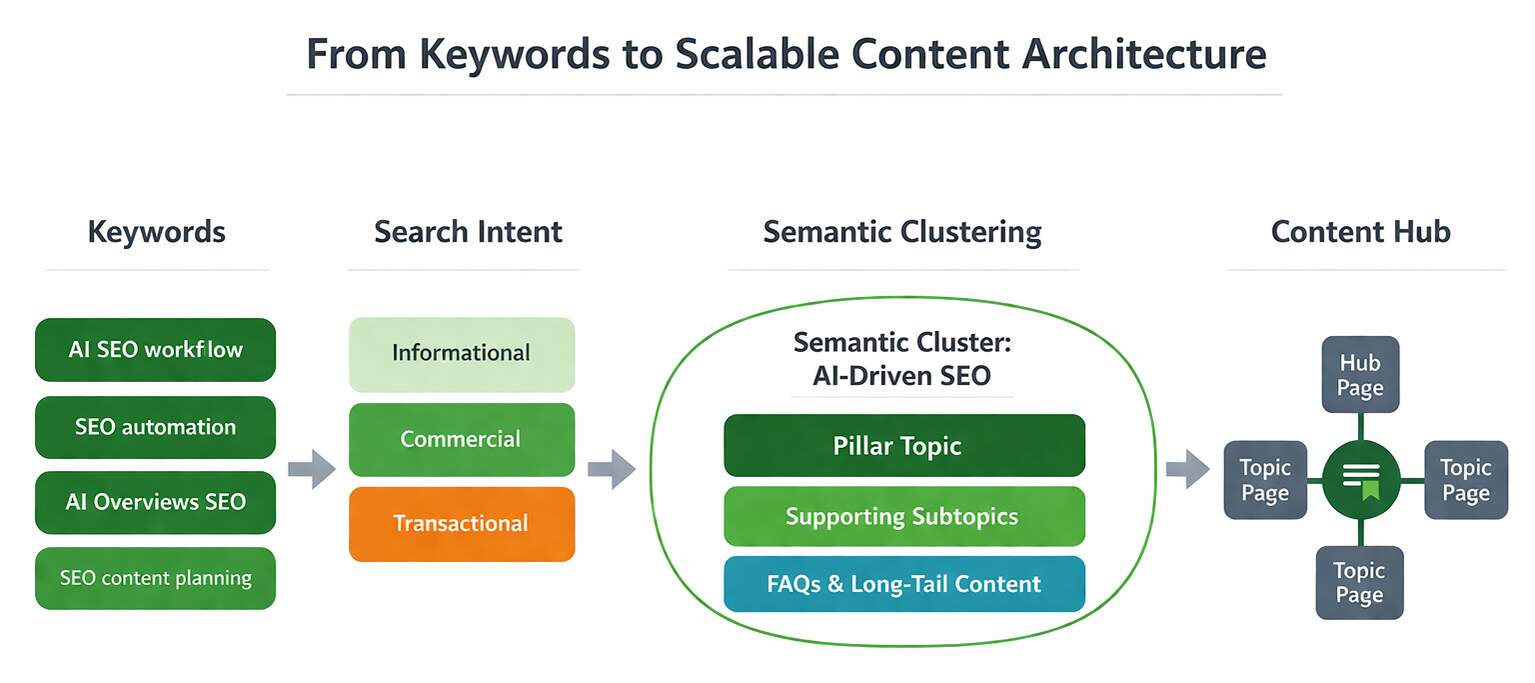
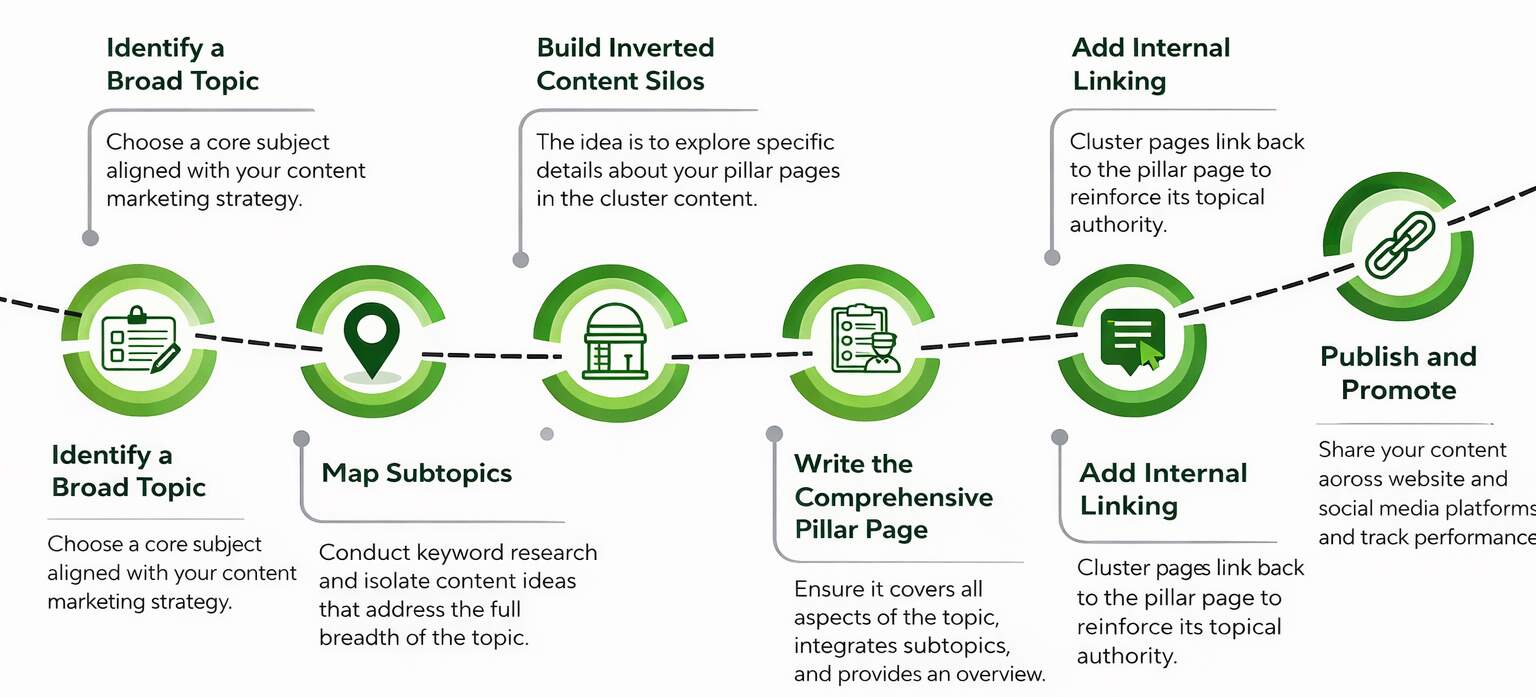
Topical depth is where topical authority SEO really lives, and it’s one of the most important SEO trends 2026 for smaller brands. Instead of publishing random one-off blogs on everything, you build concentrated “content universes” around the few topics that actually move revenue. Think of your website as a library, with supporting articles serving as the neatly arranged books and pillar pages serving as the main shelves. Visitors should see evidence that you are an expert on the topic from several perspectives rather than just one lonely post when they arrive.
- Clusters start with strong pillar pages that explain one core topic in plain, outcome-focused language.
- Supporting articles dive into sub-questions, use cases, mistakes, and tools, each addressing a single, narrow problem well.
- Smart internal linking turns your cluster into a guided tour instead of a pile of disconnected posts.
- The denser your cluster, the harder it is for thin, generic competitor content to look more authoritative.
Clusters also make algorithms’ lives easier. When crawlers find a tight group of interlinked guides around a theme like onboarding, podcast marketing, or local SEO, they can confidently associate your brand with that topic. That improves rankings, snippet chances, and even how often AI systems pull you into answer boxes. One great cluster can outperform twenty scattered posts nobody remembers. You’re trading random reach for focused reputation, which is a much better long-term asset.
Comparison Table – Topical Depth vs Random Volume
| Approach | Looks Like | Likely Outcome |
| Topic clusters | Pillar + related, interlinked guides | Strong authority, better rankings, trust |
| Random single posts | Isolated blogs on disconnected topics | Weak signals, low engagement, poor recall |
| Evergreen resource hubs | One-stop “start here” pages with key links | Higher sessions, more assisted conversions |
| One-off newsjacks | Reactive posts on fleeting trends | Short spikes, little long-term visibility |
| Tools & templates | Calculators, checklists, downloadable assets | High saves, backlinks, repeat visits |
Search Intent Will Keep Shifting
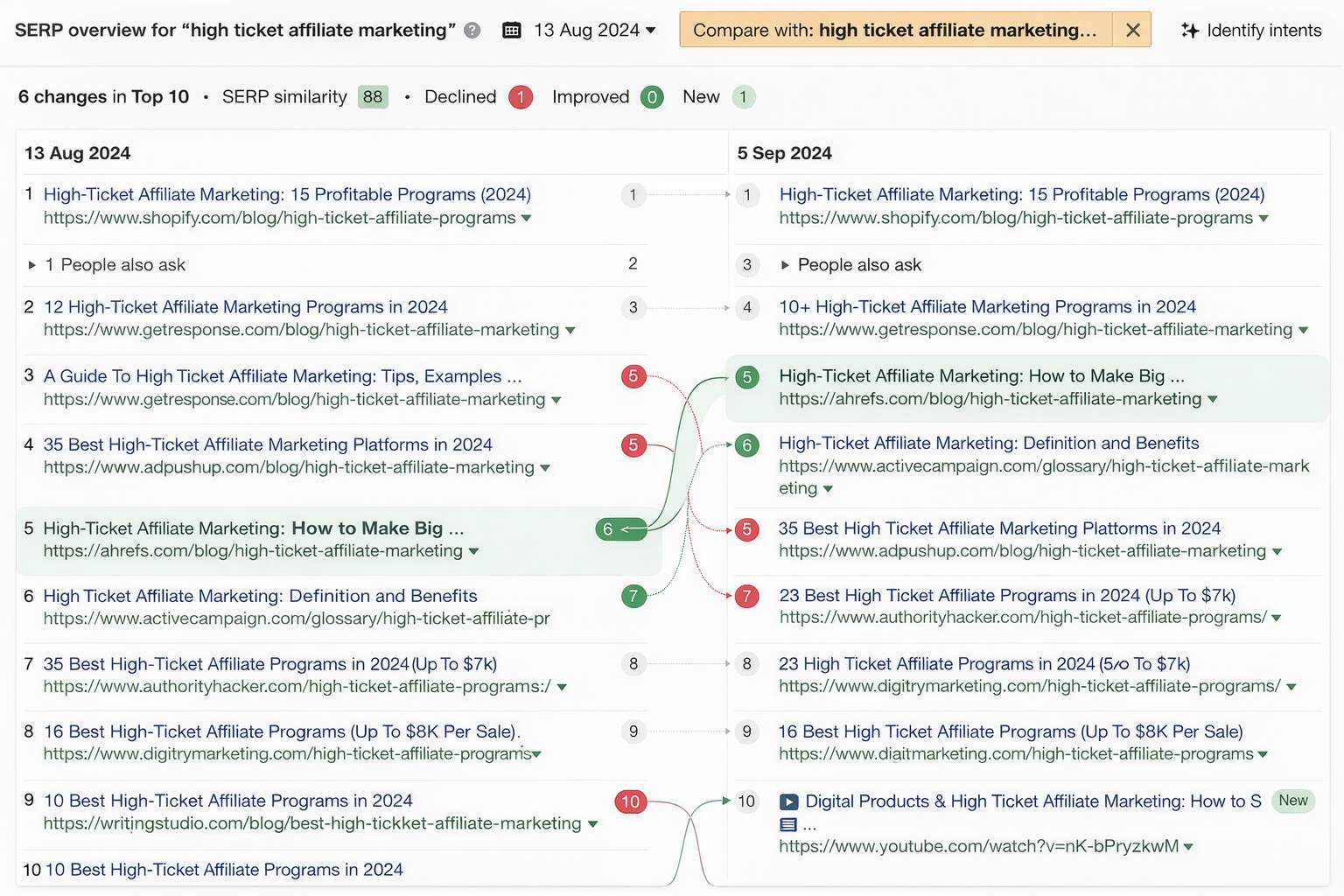
One of the sneakiest SEO trends 2026 is how quickly search intent evolves under otherwise solid content. A page that once dominated “best CRM for freelancers” might suddenly slide because users now prefer comparison tables and pricing snapshots, not long essays. You didn’t necessarily break anything; the SERP changed its mind. Treat intent like a living product requirement: you check it, you adapt, and you ship updates that match what current results clearly favour.
- SERPs reveal preferred formats, guides, tools, checklists, videos, right now, not what worked two years ago.
- Ranking losses with good engagement often signal intent drift, not failing content or weak optimization.
- Updating structure, visuals, and format usually beats rewriting everything or panic-publishing new posts.
- Monitoring new winning pages exposes patterns early, before algorithm updates make them impossible to ignore.
When you bake regular intent reviews into your SEO process, you future-proof your best assets. Instead of waiting for traffic to tank, you watch layouts and new modules, then adapt. Maybe your explainer needs a calculator, a pricing grid, or an embedded demo; maybe it should be split into a comparison page, a how-to, and a decision guide. The key is treating SERPs as live user research, not static leaderboards, and evolving alongside your audience’s expectations.
Better Structure Will Boost Visibility
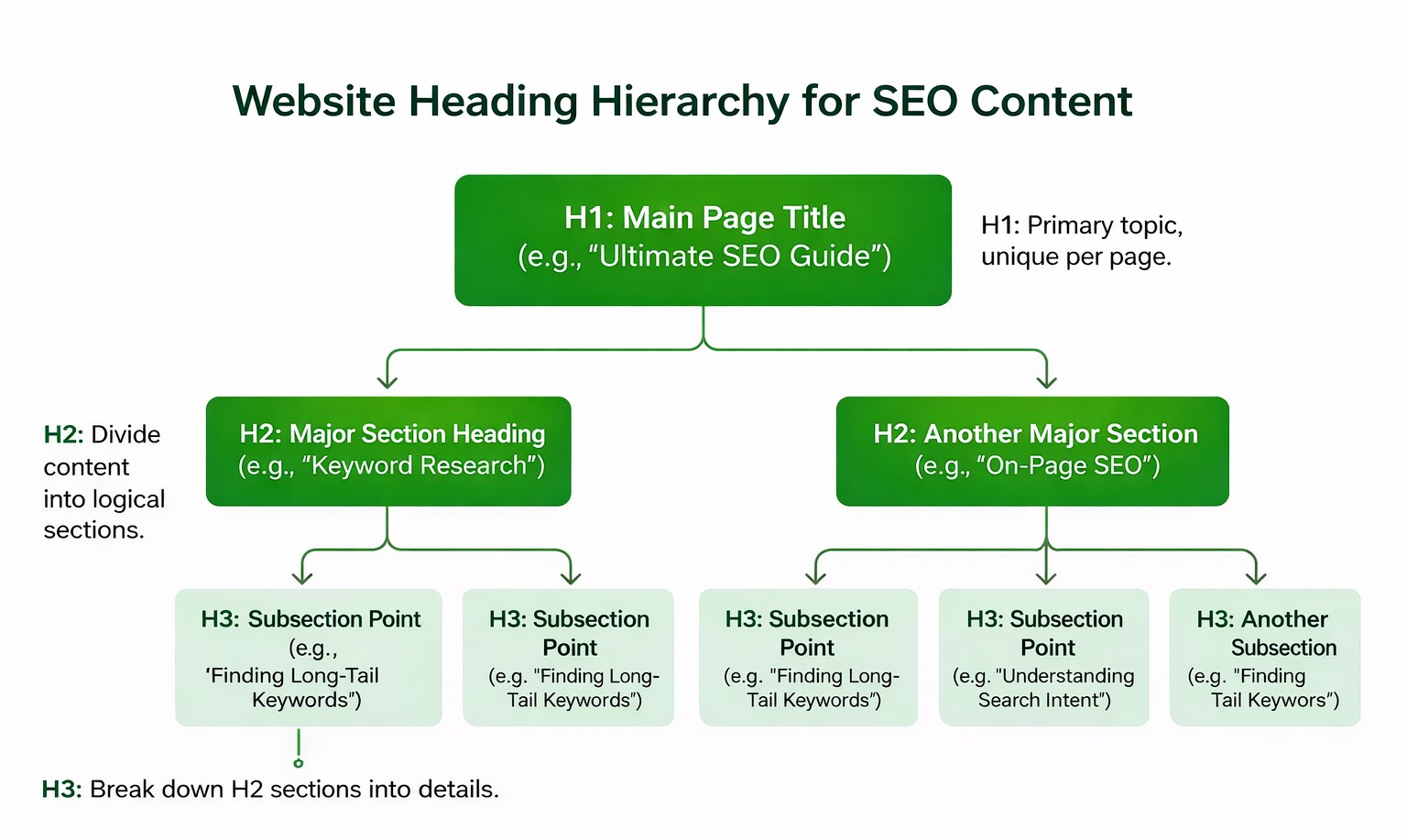
Imagine handing crawlers a neat filing cabinet rather than a messy drawer full of mixed documents. That’s what good structure does. One clear H1, a logical H2/H3 flow, short paragraphs, and purposeful internal links help algorithms understand “this page is about X, for Y, solving Z.” It also helps busy humans skim their way into trust. In a world of overloaded results pages, scannable structure becomes a cheat code: it makes it easier for you to learn from, so people actually stay.
- Simple, descriptive headings tell readers and bots exactly what each section covers in plain language.
- Short paragraphs and bullets respect skim-readers, leading to better engagement and lower bounce rates.
- Internal links act like signposts, turning isolated articles into a connected journey through your expertise.
- Clean markup, alt text, and schema quietly improve how content appears in search and rich snippets.
A strong structure amplifies everything else you invest in, entities, trust, depth of topic, and design. Fast pages with clean layouts and obvious CTAs quietly outperform slightly smarter but chaotic competitors. Think of your site like an organized store: visitors should instinctively know where to go, what’s important, and how to take the next step. When both readers and robots can navigate comfortably, rankings and revenue tend to follow. Structure isn’t a technical chore; it’s a growth multiplier.
What Small Brands Should Do Next
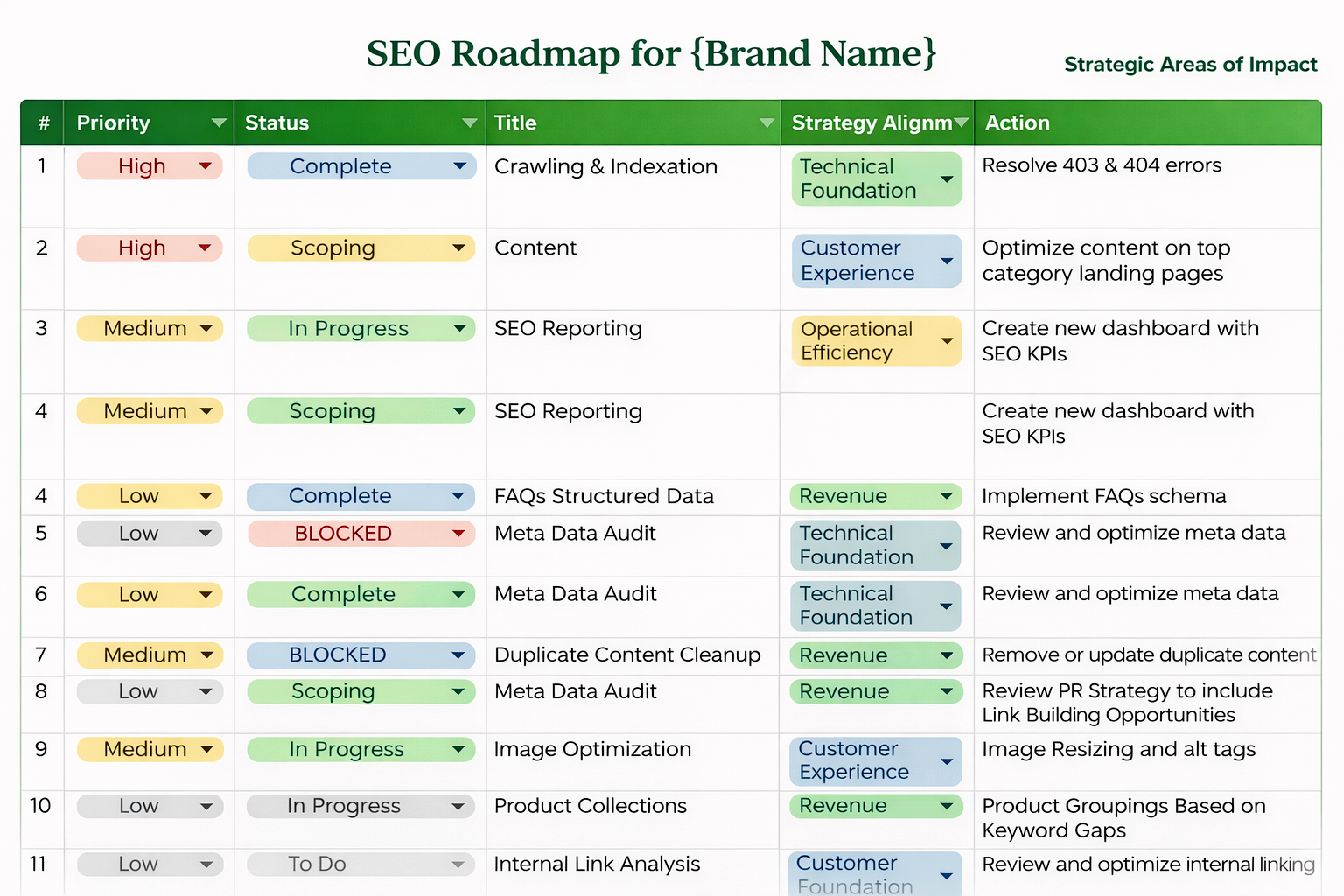
Here’s the good news: many of the scarier-sounding SEO trends 2026 quietly favour small, decisive teams over lumbering enterprises. You don’t need a huge content ssfactory; you need sharp focus, faster iteration, and a plan that compounds. Think of your strategy in three tracks: clarity, authority, and trust, and aim to move each forward a bit every month. Over a year, that stack easily beats sporadic blog sprints and random tactics, especially when you’re fighting for search visibility for startups in crowded markets.
- Fix clarity first: homepage, services, and key CTAs should instantly explain who you help and how.
- Pick two or three high-value themes and build lean topic clusters instead of scattered one-off blog experiments.
- Prioritize reviews, case snapshots, and expert bios as highly as new articles, especially on decision pages.
- Treat AI, entities, and schema as amplifiers for strong fundamentals, not shortcuts that replace real expertise.
If you do nothing else, commit to being the clearest, most trustworthy explainer of a small set of problems. That focus naturally improves topical authority SEO (you talk about key themes deeply), supports entity-based SEO (your story is consistent), and strengthens trust signals SEO (more proof, less fluff). Layer structured data, smart internal links, and periodic SERP reviews on top, and your site becomes a compact, high-signal asset that algorithms love. In a noisy market, disciplined focus beats raw volume every single time.
Wrapping It Up
SEO in 2026 isn’t a secret formula; it’s a skill set. The brands that win are the ones that explain better, prove more and structure their content so both humans and algorithms can instantly understand it. When your site makes sense at a glance, shows real outcomes, organizes knowledge into focused clusters and speaks with recognizable experts, you become the safest recommendation on the results page. AI, entities, trust and topical authority aren’t random trends, they’re four angles on the same question: “Can I rely on this brand to help me decide?”
For small businesses, startups and agencies, the path forward is simple, even if it’s not always easy: pick a few topics you truly deserve to win, build ridiculously clear content around them and back everything with proof. Do that consistently and you stop “doing SEO” in bursts and start building an asset that compounds.
Ready to Turn These SEO Trends into Wins?
Frequently Asked Questions (FAQs)
Question: How important is user experience for SEO in 2026?
Answer: User experience has become a real ranking factor. Search engines pay attention to what people do after they land on a page—whether they leave quickly, scroll through the content, explore other pages, or complete an action. Pages that load fast, work smoothly on mobile, and are easy to navigate tend to generate stronger engagement signals. When users struggle to interact with a site, those negative signals can gradually hurt rankings, even if the written content itself is solid.
Question: What role does content quality play in SEO success?
Answer: Content quality is the basic requirement for competing in search results. Algorithms are now much better at recognizing shallow or repetitive material, so thin articles rarely gain visibility. Effective content focuses on clear answers, logical structure, and useful insight backed by data or real experience. When a page genuinely helps readers understand or decide something, it naturally earns links, holds attention longer, and builds credibility over time.
Question: How does brand authority impact search rankings?
Answer: Brand authority helps search engines judge whether a source can be trusted. When a company is mentioned on respected websites, receives strong reviews, and features credible experts, those signals strengthen its reputation. As that reputation grows, search engines are more comfortable showing its pages prominently in results. Authority does not replace relevance, but it increases the likelihood that relevant content will be trusted and clicked.
Question: Why are structured data and schema markup important?
Answer: Structured data and schema markup help search engines understand exactly what your content represents. By labeling elements such as products, reviews, FAQs, or organization details, you remove much of the guesswork from how a page is interpreted. This clarity improves the chances of earning rich results and makes it easier for search systems to display accurate information. For something that often requires modest technical effort, the long-term visibility benefits can be significant.
Question: How can businesses optimize for voice search?
Answer: Optimizing for voice search starts with writing the way people naturally ask questions. Using conversational headings and providing short, direct answers makes it easier for voice assistants to surface your content. FAQ sections, local information, and simple step-by-step explanations often work well for spoken queries. Since many voice searches happen on mobile devices, fast loading speeds and mobile-friendly design remain important supporting factors.
Question: What is the role of E-E-A-T in modern SEO?
Answer: E-E-A-T—Experience, Expertise, Authoritativeness, and Trustworthiness—reflects how credible your content appears to both users and search systems. Demonstrating real expertise, referencing reliable sources, and clearly showing who created the content all strengthen these signals. Sharing practical experience or first-hand knowledge adds another layer of credibility. When these elements are visible, search engines are more confident ranking the content for competitive topics.
Question: How do backlinks affect SEO in 2026?
Answer: Backlinks still influence rankings, but their value depends heavily on quality and relevance. Links from respected sites within your industry often carry far more weight than large numbers of random links. Modern link building usually comes from publishing useful resources, research, or insights that others want to reference.
Question: Why is local SEO important for small businesses?
Answer: Local SEO helps businesses reach nearby customers who are actively looking for a service or product. Searches that include phrases like “near me,” “open now,” or a specific city often indicate immediate intent. Keeping business profiles accurate, maintaining consistent contact information, collecting reviews, and publishing locally relevant content all improve visibility in map results. For many small businesses, that visibility leads directly to calls, visits, and bookings.
Question: How does content clustering support SEO strategy?
Answer: Content clustering organizes related topics around a central pillar page so the full scope of a subject becomes clear. Each supporting article focuses on a specific question and links back to the main resource that connects the topic. This structure helps readers navigate deeper into the subject while signalling topical relevance to search engines. Over time, the internal connections strengthen authority across the entire content group.
Question: What SEO skills will be most valuable in the future?
Answer: The most valuable SEO skills combine technical knowledge, analytical thinking, and clear communication. Professionals who understand search intent, structured data, analytics, and AI-driven search features will have an advantage. Just as important is the ability to translate those insights into well-planned content and meaningful experiments. The role is shifting from simply ranking pages to building reliable information systems that answer user questions effectively.
Author Details

Ashwani Kumar Sharma
Ashwani has been actively involved in SEO services since 2005. His expertise and distinctive work approaches have made him one of the most experienced and trusted SEO experts in the industry. He is a certified SEO and Google Ads professional. He also has strong business development skills in advanced SEO, PPC, and digital marketing strategies.


