



Why PPC Campaigns Fail Even With High Budgets (And How to Fix Them)

Key Takeaways
- Strategy must be proven first, or more spend will only scale confusion instead of results.
- Broad targeting feels productive, but focused intent usually delivers stronger leads and better conversions.
- Weak keywords quietly waste budget by attracting clicks from people who were never ready.
- Generic ad copy earns traffic, but sharper messaging brings in better-fit prospects with clearer intent.
- Landing pages matter more than advertisers think because trust can disappear within seconds of clicking.
- Messy campaign structure slows decisions, hides winners, and makes good optimization much harder than necessary.
- Tracking the wrong metrics creates false confidence and pushes budget toward activity instead of outcomes.
- Big budgets do not fix weak PPC foundations; they simply make the underlying mistakes more expensive.
Having a large PPC budget can create the illusion of a strong campaign, but the reality can be completely misleading. The uncomfortable truth is that many PPC campaigns fail despite hefty spending. Just throwing more money at a campaign doesn’t fix fundamental issues like poor targeting, unclear messaging, ineffective landing pages, or messy tracking systems. In fact, it often just amplifies these problems, allowing them to cause even more harm. WordStream’s 2025 Google Ads benchmark data shows average search CTR at 6.66%, average CPC at $5.26, average conversion rate at 7.52%, and average cost per lead at $70.11, which is a costly reminder that weak execution gets expensive fast.
What makes this even more frustrating is that poor performance does not always look obvious at first. On the surface, the account may seem healthy because traffic is coming in, impressions are growing, and the dashboard looks active. But behind those numbers, the campaign may be attracting the wrong people, wasting money on weak keywords, or pushing clicks toward pages that do not convert. In this blog, we will break down exactly why PPC campaigns fail, where the most common leaks happen, and how to fix them before more budget disappears.
Will More Budget Won’t Fix Strategy
A larger budget can sometimes make it seem like things are getting better, even when they’re not. You might see more clicks and impressions, and everything on the dashboard looks more active. But if the campaign is still aimed at the wrong audience, using the wrong offers, or asking the wrong questions for conversions, then those numbers don’t mean much. This is one of the main reasons why PPC campaigns fail. If the strategy isn’t solid, throwing more money at it won’t fix the problem. It amplifies it. Spend is not the fix when the foundation is still drifting.
This is where real PPC campaign optimization starts to matter. Not after scale. Before it. The account needs a clear objective, a focused audience, and a message that aligns with the offer. Without that, a campaign ends up feeling loud rather than effective. Smart advertisers know that activity alone does not equal progress. They validate the strategy first, then invest more in what is already delivering results. Google points to a similar pattern: advertisers who raise their responsive search ad strength from poor to excellent see an average 12% increase in conversions. It reinforces the same idea from another angle; stronger inputs often beat simply spending more.
Quick strategy points
- Bigger budgets expose weak campaign foundations much faster than they create meaningful growth.
- More traffic does not automatically mean better results or higher-quality leads.
- Poor offer clarity becomes more expensive when spending increases too soon.
- Scaling confusion only makes reporting look prettier, not more profitable.
- Strategy should prove itself before the budget is allowed to accelerate it.
How to Fix Your Campaign Strategy Fast?
Strip the campaign back to the essentials. Pick one conversion goal, one audience cluster, and one clear offer. Then make sure the ad and landing page are built around that same promise. Instead of asking, “How much more can we spend?” ask, “What part of this process has already proven it can convert?” Scale that, not the guesswork. That shift alone makes campaigns feel less chaotic and far more dependable.
Are You Targeting the Wrong People?
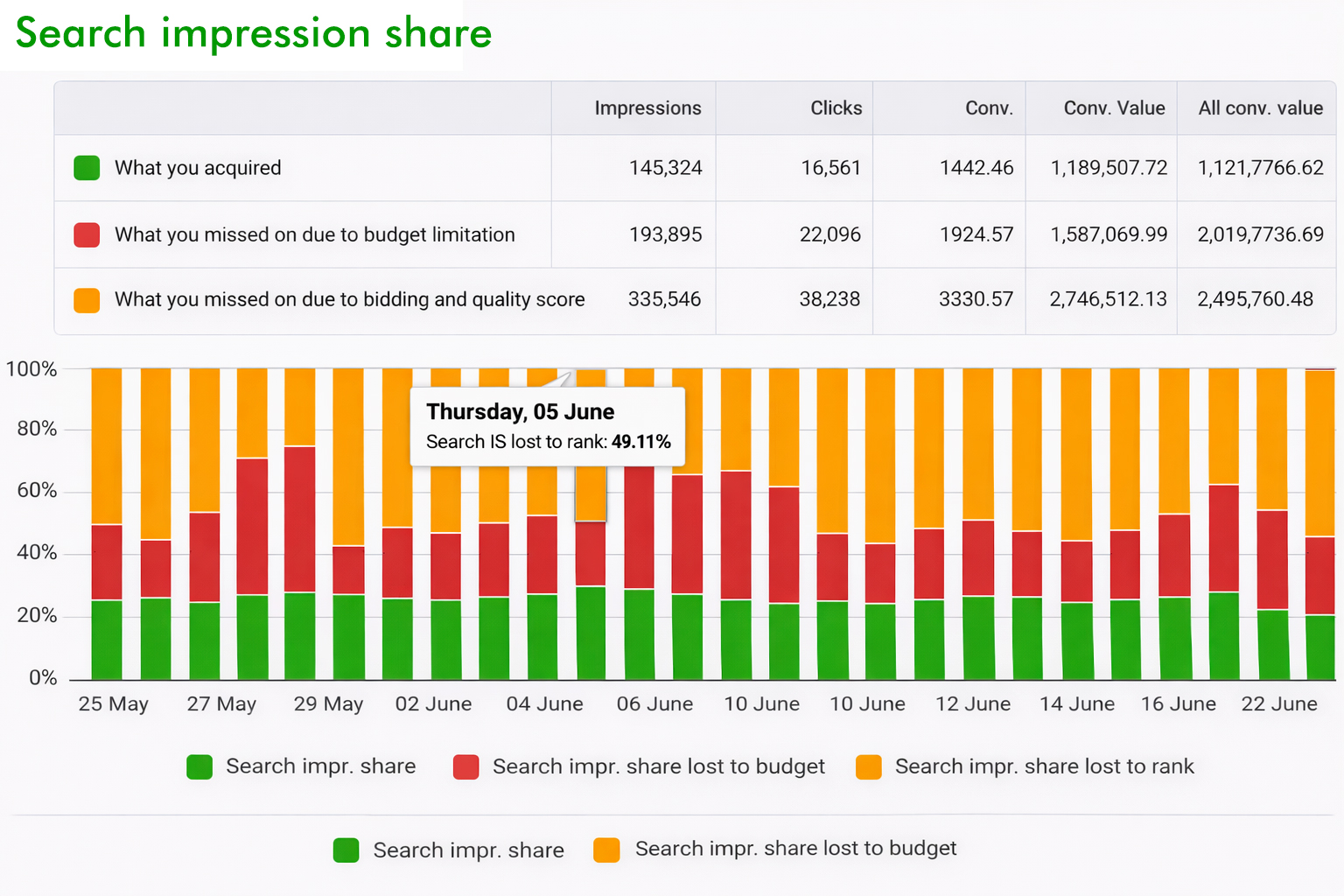
Some PPC accounts do not have a budget problem at all. They have a fit problem. Ads are being shown to people who are outside the service area, not in the right buying stage, or not part of the real customer profile. That mismatch quietly drains performance long before most advertisers notice it.
Broad targeting can seem really effective because it keeps traffic coming in, but traffic without intent often turns into nothing more than a costly activity. That is usually how PPC budget waste creeps in, not always through shocking numbers, but through weak leads, low close rates, and a sales team that never fully believes in the quality of the submissions. A business may think it is reaching more potential customers, when in reality it is paying for passing interest. The simple truth is that a smaller audience with stronger intent almost always delivers more value than a massive audience with little commercial potential.
How to Fix Poor Audience Targeting Fast
Tighten the audience until it feels almost uncomfortable. Cut weak geographies. Review schedules. Exclude audiences that keep clicking but never convert. Separate devices if the behavior is clearly different. The goal is not to appear everywhere. It is to show up where the right people are already close to acting. When targeting improves, the whole account usually feels calmer, sharper, and easier to trust.
Are Your Keywords Burning Budget?
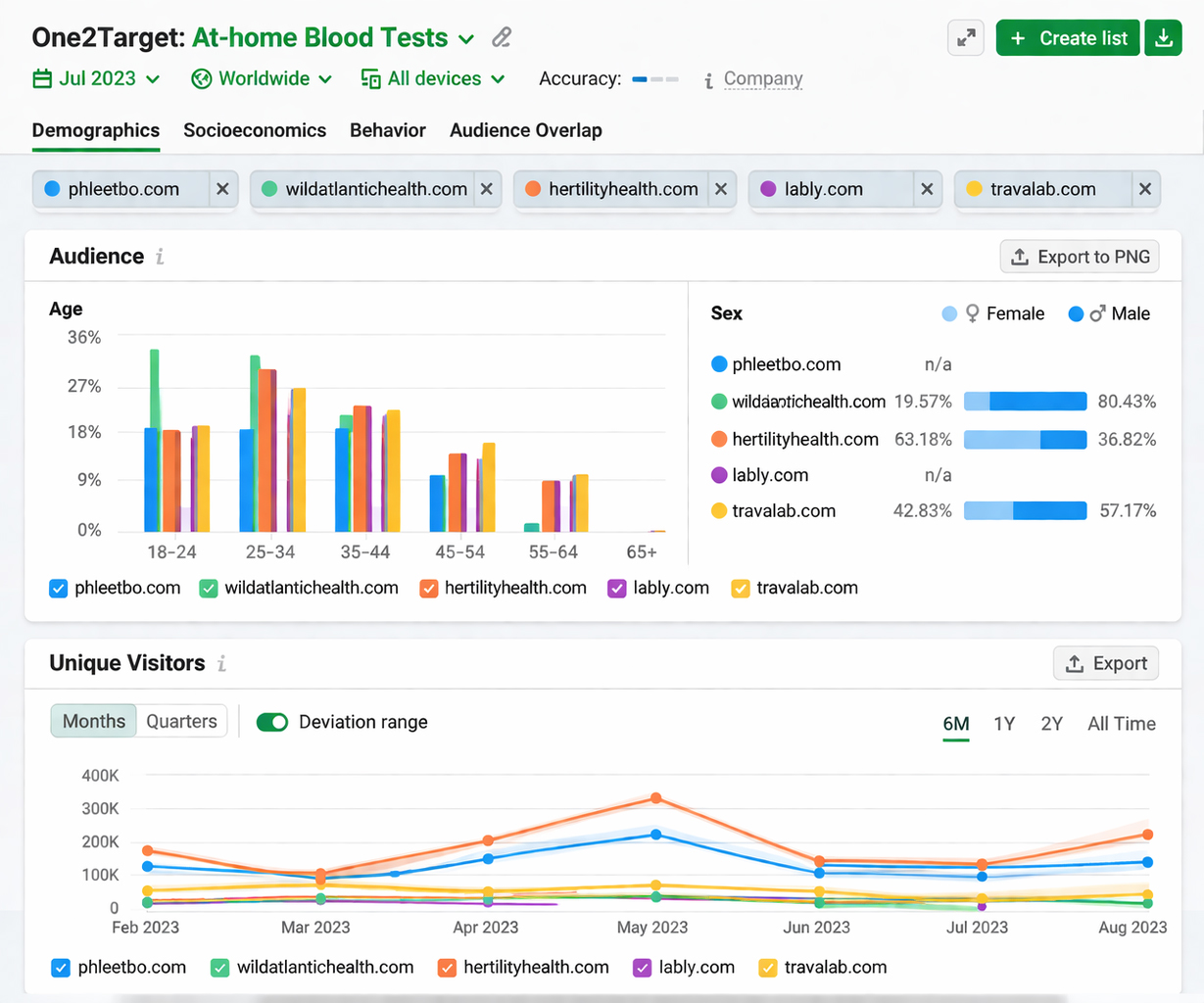
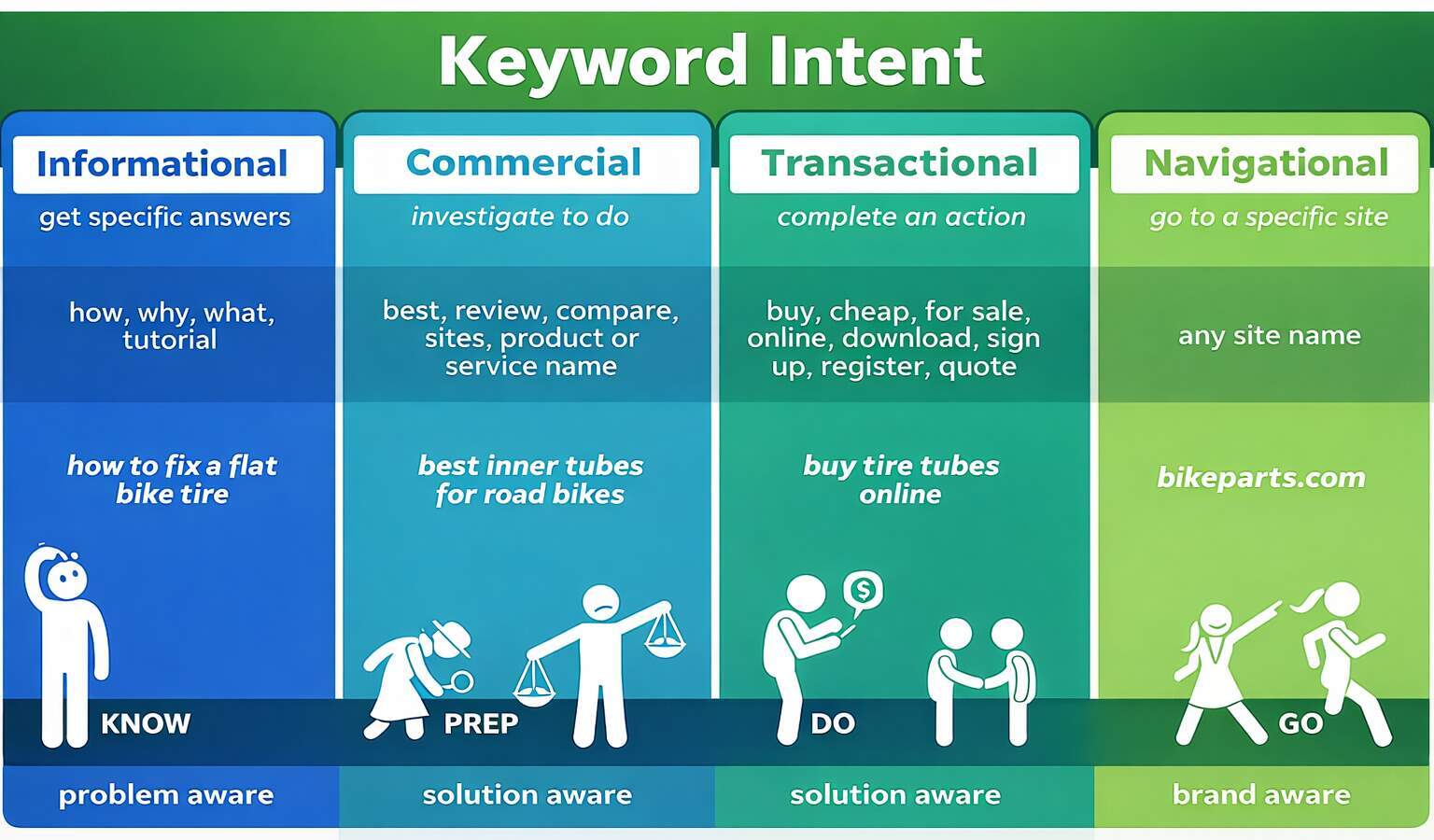
Keyword problems rarely announce themselves with a dramatic collapse. More often, they show up quietly through irrelevant search terms, rising costs, and leads that look acceptable on paper but never turn into real business. It is one of the fastest ways a campaign starts burning money without looking broken right away. Too many advertisers still choose keywords based on reach instead of intent, then wonder why the campaign attracts people who were never close to taking action in the first place.
This is where some of the most expensive Google Ads mistakes begin. Broad match gets left wide open, negative keywords are ignored, and high-volume terms get treated like high-value terms. But a keyword can be relevant to your business and still be a poor use of budget. Relevance alone is not enough. What matters is whether that query reflects genuine commercial intent or just casual curiosity.
A simple way to think about it is this: keywords are doors into your campaign. Some open to buyers. Others open to researchers, comparison shoppers, or people who are only half interested. If your budget keeps paying for the wrong doors, waste becomes routine. The fix is steady, disciplined pruning. Start with the search term report, not your assumptions. Look for phrases that generate clicks without meaningful action, add negatives aggressively, and split keyword groups when intent is too mixed. Better keyword control often improves lead quality before it improves anything else.
How to Fix Keywords That Waste Spend
Start with the search term report, not your gut feeling. See which queries are bringing clicks but no real action, then cut them before they keep draining spend. Add negative keywords generously, tighten broad terms that are pulling in the wrong intent, and separate keyword groups when they are trying to target very different searchers. The goal is not to chase every possible click. It is to pay for the clicks that actually look like buying intent. When keyword control gets sharper, the whole campaign usually feels cleaner, lead quality improves, and your budget stops disappearing into searches that were never likely to convert.
| Competitor angle | Common SERP promise | Weakness you can exploit | Better content angle |
| More traffic fast | Volume-first PPC claims | Ignores efficiency | Show why control beats spend |
| Cheap clicks | Cost-only positioning | Attracts low-intent leads | Focus on qualified conversions |
| Full-service ads | Generic service pitch | Low differentiation | Use a failure-to-fix framework |
| Optimize campaigns | Vague performance promise | No diagnostic depth | Explain where budgets actually leak |
This snapshot points to a common PPC problem: too many campaigns focus on getting seen, but not enough on getting the right click. More traffic sounds good until it starts bringing in people who were never likely to convert. The real win comes from tighter control, better lead quality, and keywords that attract people who are genuinely ready to take the next step.
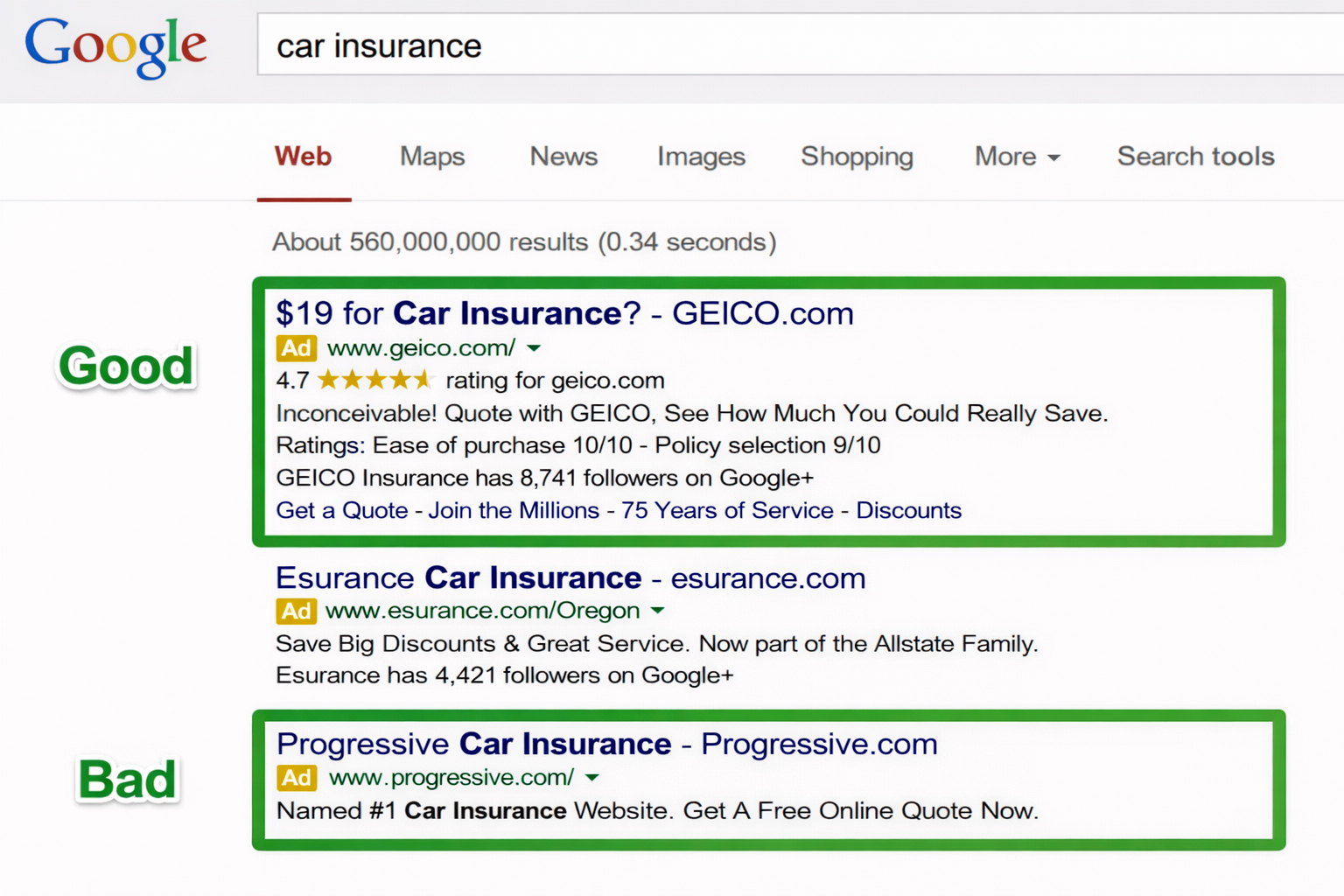
Is Your Ad Copy Too Generic?
Weak ad copy rarely fails loudly. It fails quietly by attracting the wrong click. When every ad says some version of “trusted experts,” “great service,” or “best results,” it starts to sound like wallpaper. Searchers do not feel understood. They just see another polished promise. That is where many PPC conversion issues begin. The ad may still drive traffic, but not the kind that converts well.
The strongest ads do more than persuade. They filter. They make the right person feel seen while giving the wrong person less reason to click. That is why PPC campaign optimization is not only about bids and settings. It is also about the words you choose. Specific language beats generic copy. Relevance beats cleverness. A message that speaks directly to wasted ad spend or low-quality leads will usually outperform a broad statement about excellence.
What stronger ad copy usually gets right
- Specific promises usually outperform vague confidence lines in competitive search results.
- Better copy attracts serious buyers and filters weak-fit clicks early.
- Clarity beats cleverness when the searcher already wants a solution.
- Strong messaging builds trust before the landing page even loads.
- Better phrasing often improves lead quality faster than bid changes.
The best ad copy usually sounds like it understands the frustration behind the search. It meets the user where they are, not where the brand wants them to be. If the searcher is worried about wasted spend, weak leads, or poor conversion rates, the ad should reflect that reality rather than hide behind polished but empty language.
How to Fix Ads That Attract the Wrong Clicks
Test sharper angles one at a time. Lead with speed, cost control, wasted spend, or lead quality. Drop vague phrases that could belong to any competitor. Write the ad as if you’re answering a real concern, not just filling a template. Great ad copy does not shout louder. It connects faster, filters better, and sends a cleaner intent to the landing page.
Does the Landing Page Break Trust?
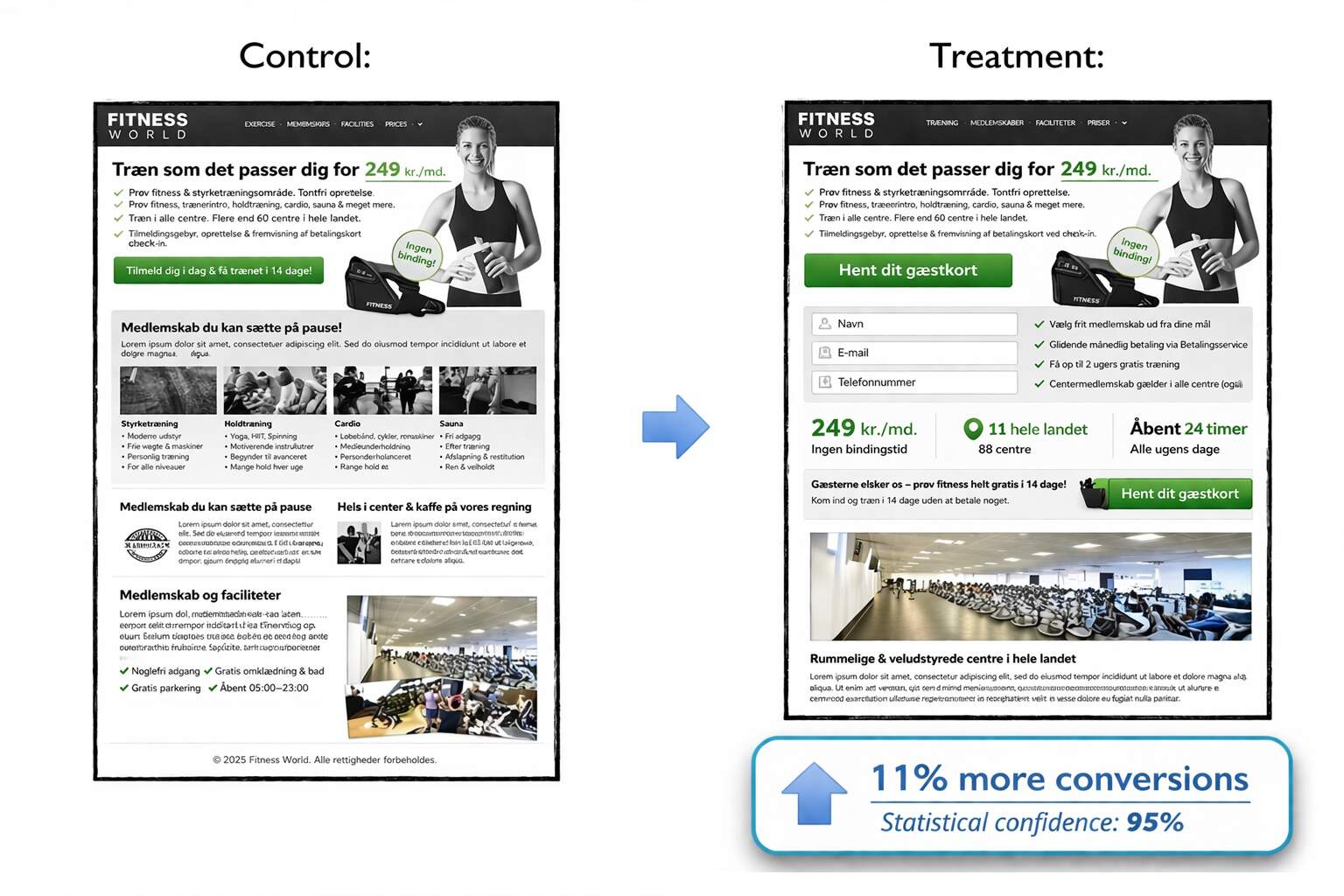
A strong ad can earn the click and still lose the conversion in the next few seconds. That usually happens on the landing page. People arrive expecting one thing and get something slower, busier, or less relevant than promised. That handoff matters more than many advertisers admit. Unbounce’s Q4 2024 benchmark, based on 41,000 landing pages and 464 million visitors, found a median landing page conversion rate of 6.6%, which shows how heavily performance depends on what happens after the click.
The page does not need to be clever. It needs to be clear. If the ad promises a fast quote and the page opens with a generic wall of copy, trust slips. If the ad speaks to one pain point and the page pivots into something broader, the user starts hesitating. That is where landing page and ad mismatch quietly kill momentum.
How to Fix Ad & Landing Page Mismatch
Start by reading the ad and the landing page back-to-back. Do they sound like they belong to the same campaign? If not, fix that first. Then remove anything that distracts from the main action: extra navigation, weak sub-messages, or too many competing buttons. A strong landing page feels focused, fast, and reassuring, not crowded or over-explained.
Is the Campaign Structure Too Messy?
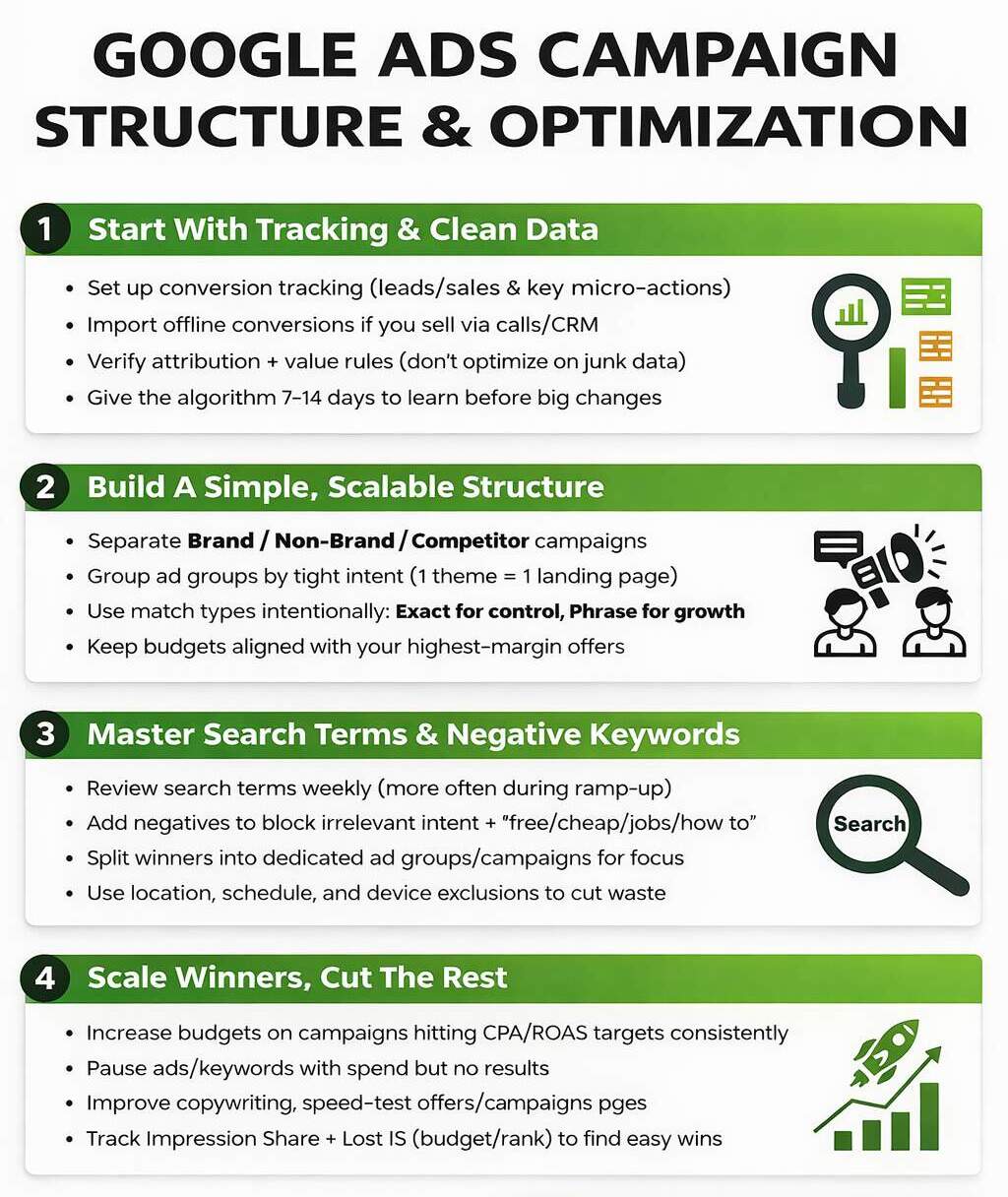
Messy structure is one of the least dramatic reasons campaigns underperform, which is exactly why it gets ignored for too long. The ads still run. The budget still spends. The reports still show numbers. But when too many services, offers, audiences, and intent types are crammed together, the account becomes harder to read and even harder to improve.
This is where more Google Ads mistakes tend to multiply. Blended traffic hides what is actually working. Cold prospecting gets mixed with branded searches. Bottom-funnel terms share space with exploratory queries. Then teams try to optimize from blurred data and wonder why the account never feels fully under control. That confusion is a major cause of low PPC ROI because weak structure slows every smart decision.
What cleaner structure immediately improves?
- Blended campaigns hide true winners and shelter weak performers from scrutiny.
- Tight ad groups make it easier to improve and measure relevance.
- Cleaner segmentation creates faster, smarter reporting decisions across campaigns.
- Separate intent early to avoid optimization turning into expensive guesswork.
- Better structure reduces hidden waste and improves account control.
Structure problems also make testing harder than it needs to be. When too many variables live in one campaign, you never get a clean answer. Was it the ad that worked? The audience? The keyword cluster? The offer? A messy account forces you to make decisions from mixed signals, which usually leads to slower optimization and more second-guessing.
How to Fix Poor Campaign Structure
Create cleaner separation. Split campaigns by service, offer, funnel stage, or intent. Keep ad groups tight enough that the message still feels specific. Give each landing page a clear role. Structure is not just cleanup work. It affects how clearly you can see what is working. It is what makes the account readable enough to improve with confidence and scale without confusion. That is what helps turn scattered performance into stronger results and better ROI.
Are You Tracking the Wrong Metrics?
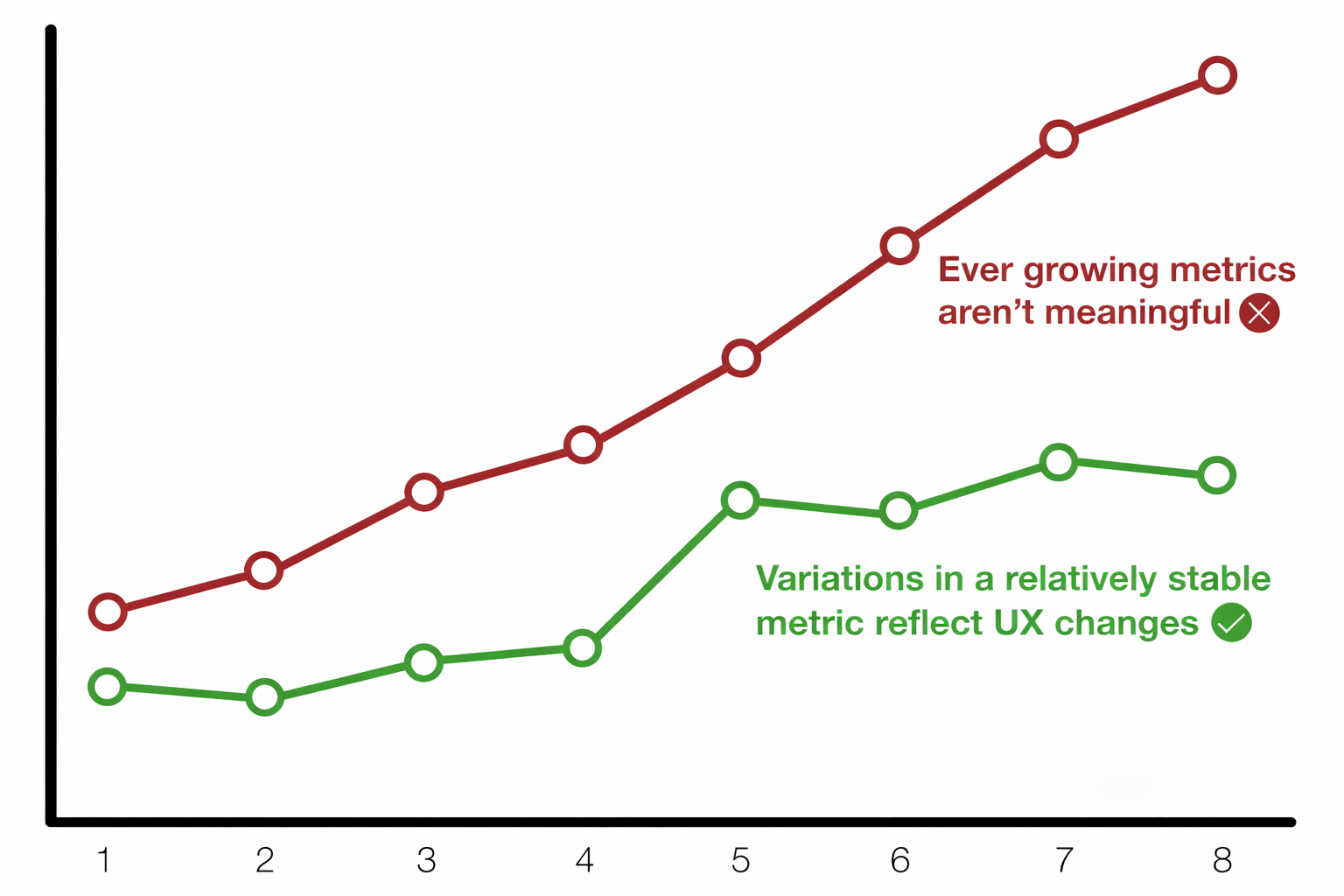
A healthy-looking dashboard can be one of PPC’s best disguises. Clicks go up. CTR looks decent. Impressions stay strong. Everyone assumes progress is happening. But attention is not the same as value. And that is exactly why PPC campaigns fail looking healthy while underperforming where it matters. A campaign can look busy while producing weak leads, poor sales conversations, or conversions that never turn into revenue.
This is where tracking gets dangerous. If the account is optimizing around the wrong conversion actions, duplicated events, or shallow signals, it starts learning the wrong lesson. That is how PPC budget waste stays funded, and recurring PPC conversion issues keep getting misread. The platform will chase whatever signal you give it, whether that signal is useful or not. If that signal is flawed, the output usually is too. Google’s documentation is clear that website conversions should be measured with a correctly configured Google tag and event setup.
What better tracking helps you see clearly
- Clicks show movement, but they do not prove business value.
- Broken tracking creates false confidence and misleading optimization decisions.
- Qualified leads matter far more than raw conversion volume.
- Vanity metrics distract teams from revenue and intent signals.
- Good measurement makes optimization clearer, calmer, and more accountable.
How to Fix Poor Conversion Tracking
Measure the metrics that actually deserve a budget. This means qualified leads, cost per qualified lead, real conversion rate, and revenue-related actions. Regularly audit tags. Remove duplicate conversions. Make sure platform optimization is aligned with the things the sales team actually cares about. Paid search improves quickly when measurement stops working for the dashboard and starts working for the business.
What Should You Fix First?
Start with alignment, not scale. If the keyword, ad, and landing page are not answering the same intent, more budget will not solve the problem. Most underperforming campaigns are not broken by one huge issue. They are weakened by several smaller disconnects that keep feeding each other.
The smartest way to fix it is straightforward. Start with tracking. Then tighten your targeting. From there, refine keyword intent, strengthen the messaging, and improve the page experience. That sequence matters because every layer relies on the one before it. If your tracking is off, optimization becomes guesswork; better ads still bring in the wrong people. And if the page experience is weak, even high-intent visitors can slip away.
Many advertisers make the mistake of trying to fix everything at once. That usually creates more noise, not more clarity. When multiple changes go live together, it becomes harder to tell what actually improved performance and what simply happened at the same time. Good optimization is not frantic. It is methodical.
How to Fix PPC Without Guesswork
Work in sequence. Repair the measurement first so the account can learn from the right signals. Then narrow the audience, refine keyword intent, strengthen the messaging, and clean up the landing page. Change one meaningful thing at a time, let the data settle, and protect what is already working. That is how PPC becomes predictable instead of reactive.
Wrapping Up
Large PPC budgets are usually not the real issue. What often breaks down first is everything around them: broad targeting, poor keyword selection, weak ad copy, unclear landing pages, unorganized campaign structure, and tracking that gives a misleading view of performance. More spend simply makes those issues more obvious. What looks like progress in the dashboard can still mean the campaign is falling short where it matters most.
The smarter move is not to keep pushing more money into the same setup. It is to step back, tighten the strategy, cut the waste, and make sure every part of the campaign is working toward the same outcome. When the targeting is sharper, the messaging is clearer, and the data is trustworthy, budget stops feeling like a gamble. It starts becoming an advantage. That is when PPC becomes more stable, more efficient, and a lot more profitable.
Turn Ad Spend Into Real Growth
If your PPC campaigns are spending heavily but still falling short, it may be time for a smarter approach. eSign Web Services helps businesses cut wasted spend, sharpen strategy, and build PPC campaigns that attract better leads with more clarity and control. Get in touch today to request a free quote today or call the team to see how your campaigns can start performing better.
Frequently Asked Questions (FAQs)
Question: Why do PPC campaigns fail even with high budgets?
Answer: PPC campaigns often fail even with large budgets because money cannot fix weak fundamentals. If targeting is too broad, keywords are poorly chosen, ad copy is bland, or landing pages do not convert, higher spend only increases the waste. Search platforms reward relevance, clarity, and user experience more than raw budget. That is why smaller, better-managed campaigns often outperform bigger accounts with weaker strategy.
Question: What is the biggest reason PPC budgets get wasted?
Answer: The biggest reason PPC budgets get wasted is poor targeting. When ads show up for the wrong searches or in front of the wrong audience, businesses end up paying for clicks that were never likely to convert. This usually happens because of loose keyword targeting, weak audience filters, or missing negative keywords. In most cases, wasted budget is not caused by one mistake. It builds through repeated targeting issues over time.
Question: Can good landing pages really improve PPC performance?
Answer: Yes, good landing pages can make a major difference in PPC performance because that is where the conversion decision happens. A strong ad may win the click, but the page still has to earn trust and action. If the page feels confusing, generic, or disconnected from the ad, people leave quickly. Better landing pages usually improve conversions faster than simply increasing spend because they remove friction and strengthen the user experience.
Question: How do negative keywords help PPC campaigns?
Answer: Negative keywords help PPC campaigns by stopping ads from showing for searches that are irrelevant or unlikely to convert. Without them, businesses often pay for low-quality clicks from users with the wrong intent. That slowly drains budget and weakens efficiency. A strong negative keyword list keeps traffic more relevant, improves search quality, and helps make sure your ads are reaching people who are actually more likely to take meaningful action.
Question: Why is ad copy so important in paid campaigns?
Answer: Ad copy matters because it shapes both the quality of the click and the expectation behind it. Strong ad copy does more than attract attention. It speaks to the right audience, highlights value clearly, and sets up what the user should expect next. Weak or generic copy may still get clicks, but often from the wrong people. Better copy improves relevance, trust, and the chances of a stronger conversion path.
Question: What metrics should businesses track in PPC?
Answer: Businesses should track metrics that show real business impact, not just surface-level activity. Click-through rate and impressions can be useful, but they do not tell the whole story. More valuable metrics include conversion rate, cost per conversion, return on ad spend, lead quality, and cost per acquisition. These numbers show whether the campaign is actually driving results. Tracking only clicks can create confidence while deeper problems stay hidden.
Question: How often should PPC campaigns be optimized?
Answer: PPC campaigns should be reviewed regularly, but they should not be changed impulsively every day. Most campaigns perform best with weekly or biweekly reviews, depending on budget and traffic volume. The goal is to spot waste, test improvements, and make thoughtful adjustments based on patterns in the data. PPC is never a one-time setup. It improves through ongoing attention, careful testing, and consistent refinement over time.
Question: Why do businesses get lots of clicks but few conversions?
Answer: This usually happens when there is a disconnect between the targeting, the ad, and the landing page. The campaign may be attracting attention, but not from people who are ready to act. In other cases, the landing page may feel unclear, weak, or hard to trust. A high click count does not always mean good performance. Often, it means the campaign is getting attention without turning that attention into action.
Question: Should businesses increase budget when PPC results drop?
Answer: Not right away. When PPC results drop, increasing budget before finding the problem usually makes things worse. The smarter move is to check targeting, keyword intent, tracking, ad copy, and landing page performance first. If those areas are weak, more spend usually creates more waste. Budget increases should come after the campaign is already working efficiently. Scaling should follow proof, not frustration or guesswork.
Question: How can small businesses improve PPC without overspending?
Answer: Small businesses can improve PPC by focusing on precision instead of trying to outspend larger competitors. That means targeting high-intent keywords, using negative keywords carefully, writing more relevant ads, improving landing pages, and tracking conversions properly. Smaller budgets often perform surprisingly well when campaigns are tightly managed and aligned with real user intent. In PPC, discipline usually beats volume, especially when every click needs to count.
Author Details

Ashwani Kumar Sharma
Ashwani has been actively involved in SEO services since 2005. His expertise and distinctive work approaches have made him one of the most experienced and trusted SEO experts in the industry. He is a certified SEO and Google Ads professional. He also has strong business development skills in advanced SEO, PPC, and digital marketing strategies.


