



10 Local SEO Strategies That Help Small Businesses Get Found in Google and AI Search

Key Takeaways:
- Local SEO is expanding beyond traditional Google rankings into Maps, local results, AI-generated answers, and conversational discovery.
- A complete and accurate Google Business Profile remains one of the most important assets for businesses seeking local Google visibility.
- Consistent business information across the web helps search and AI systems understand the business as an entity.
- Reviews contribute more than social proof. They provide reputation, service, location, and customer-experience signals.
- Local website optimization remains essential even when a business receives significant visibility through Google Business Profile.
- Location and service pages should provide genuinely useful local information rather than changing city names across otherwise duplicated pages.
Finding a local business used to be fairly straightforward. Someone typed a service and city into Google, looked through the results, and chose a company to call. That still happens, but it is no longer the only route. That wider journey has changed local SEO for small businesses. Ranking still matters, but so does the information people see along the way. Customers want to know what a business does, whether it serves their area, what previous customers think, and whether it looks reliable enough to contact.
The following local SEO strategies focus on making those answers easier to find, whether a customer discovers the business through Google Search, Maps, reviews, a website, or an AI-driven search experience.
How Local Search Is Changing in the AI Era?
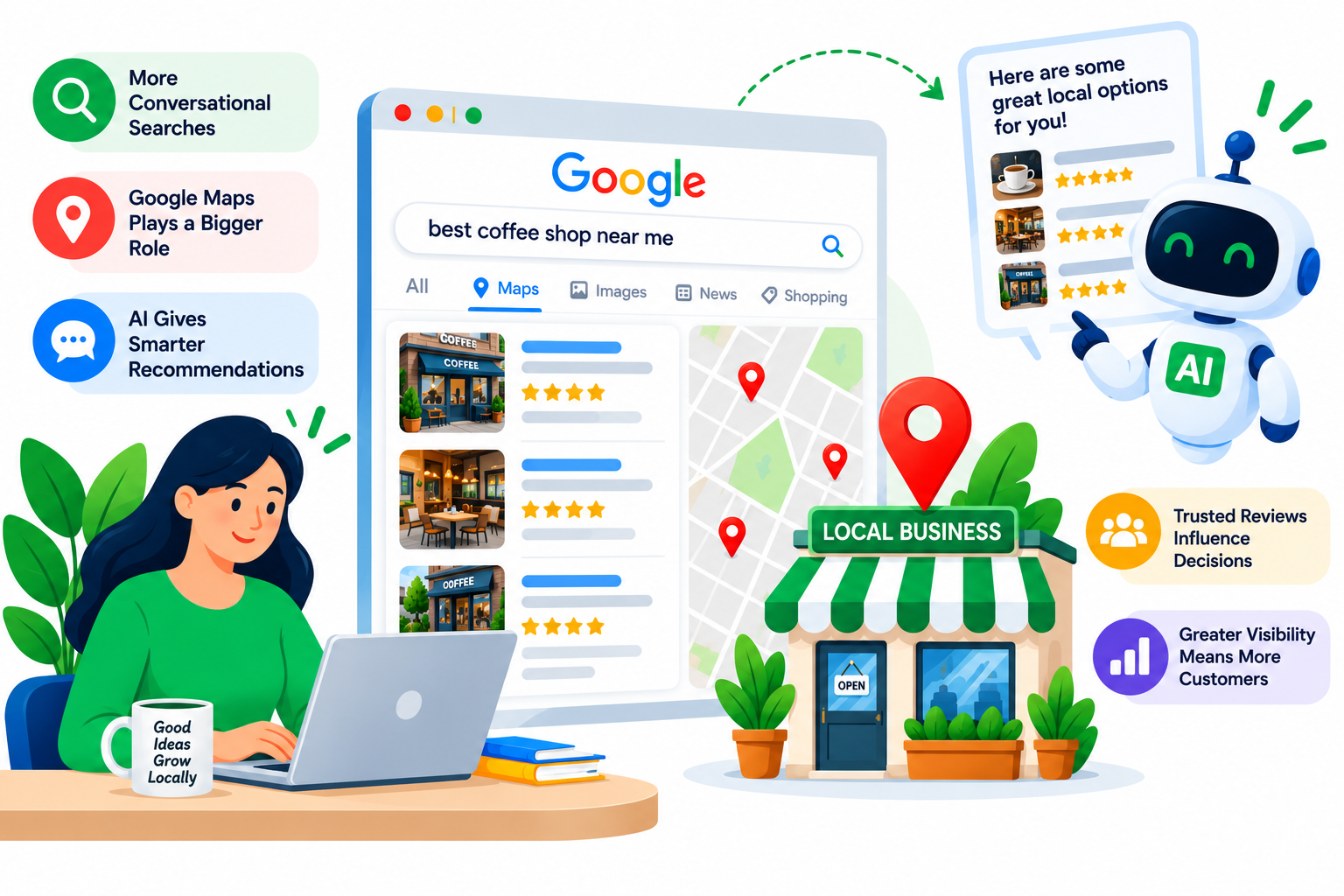
People do not always find a business in one place and make a decision straight away. They may spot it on Maps, read some reviews, look through the website, compare prices or services, and then see the company again while using an AI search tool. That means local visibility is less about owning one search position and more about being easy to find and recognize throughout the journey.
A few changes are making that especially important:
- People Search in a More Natural Way: Search terms are becoming longer and more specific. Someone may ask for “an electrician nearby who works on older commercial buildings” instead of typing two or three words. Content that reflects real search intent has a better chance of answering those kinds of searches naturally.
- Google Maps Often Comes First: Plenty of people now open Google Maps before visiting individual websites. They can compare ratings, photos, opening hours, locations, reviews, and directions without leaving the map.
- Near Me Searches Are Still Common: Near me searches remain especially useful when someone wants a nearby service quickly. Accurate service areas and location details make it easier for Google to match a business with the right customer.
- AI Adds another Research Step: Google AI Overviews and other AI search engines are giving people another way to narrow down their options. Clear information, real expertise, and trusted references around the web can all help create a better picture of the business.
- The Basics Have Not Gone Anywhere: AI may be changing the way people search, but good websites, accurate profiles, real reviews, useful content, citations, and links still matter.
The tools may be changing, but customers are still asking familiar questions. Can this company help me? Does it work in my area? Can I trust it? Businesses that answer those questions clearly are giving themselves a much better chance of being found, no matter where the search begins.
Strategy #1: Fully Optimize Your Google Business Profile
For many local companies, the Google Business Profile is the first proper introduction a customer gets. Someone can check reviews, call the business, look through photos, see opening hours, read about services, or get directions without visiting the website. Good Google Business Profile optimization is really about making sure that first impression is useful, accurate, and easy to trust.
A few details can make a noticeable difference:
- Explain Services Simply: Just tell people what is available for booking, purchasing, or inquiry. Clear descriptions will be much more accessible to users than overly stuffed search phrases.
- Keep the Hours Right: Remember holidays, seasonal changes, temporary closures, and special hours. A wrong opening time may seem like a small mistake until someone drives across town and finds the door closed.
- Use Genuine Photos: Images of the team, facilities, products, completed projects, or daily activities can be useful in giving others insight into the company before they reach out.
- Change Details When Something Changes Offline: The telephone number, services, office location, or schedule may be changed, and it is necessary to update all such information online.
- Use Features That Make Contact Easier: As long as these options are available and valuable, they have the potential to reduce the distance between locating the company and reaching out to them.
A Google Business Profile is not a one-and-done job. It should keep pace with the business itself. Regular checks help prevent small mistakes from becoming customer frustrations and allow the profile to continue contributing to local search visibility.
Strategy #2: Keep Business Information Consistent
Most businesses have information scattered around the internet, sometimes in places they have forgotten about. An old directory may still show a previous address, while another listing carries a former phone number. Good local search optimization includes cleaning up those loose ends so customers are not left wondering which information is correct.
Pay particular attention to:
- Name, Address, and Phone Details: NAP consistency is simply about making sure these basic details are right wherever important listings appear. Old or conflicting information is worth fixing.
- Your Website and Google Profile: Opening hours, phone numbers, service areas, addresses, and website links should agree with what appears on the Google Business Profile.
- Old Listings: Companies change over time, but older directory entries do not always change with them. A quick check can reveal listings that have quietly carried the wrong details for years.
- More Than Just NAP: Accurate business information also includes services, opening hours, categories, URLs, and location details.
- Directories That People Actually Use: Reputable business directories connected to the area or industry is usually far more useful than a long list of obscure sites.
Consider how the information appears from the customer’s perspective. If Google shows one number, a directory shows another, and the website lists a different address, confidence drops quickly. Strong local business SEO starts with making the company look like the same business everywhere it appears.
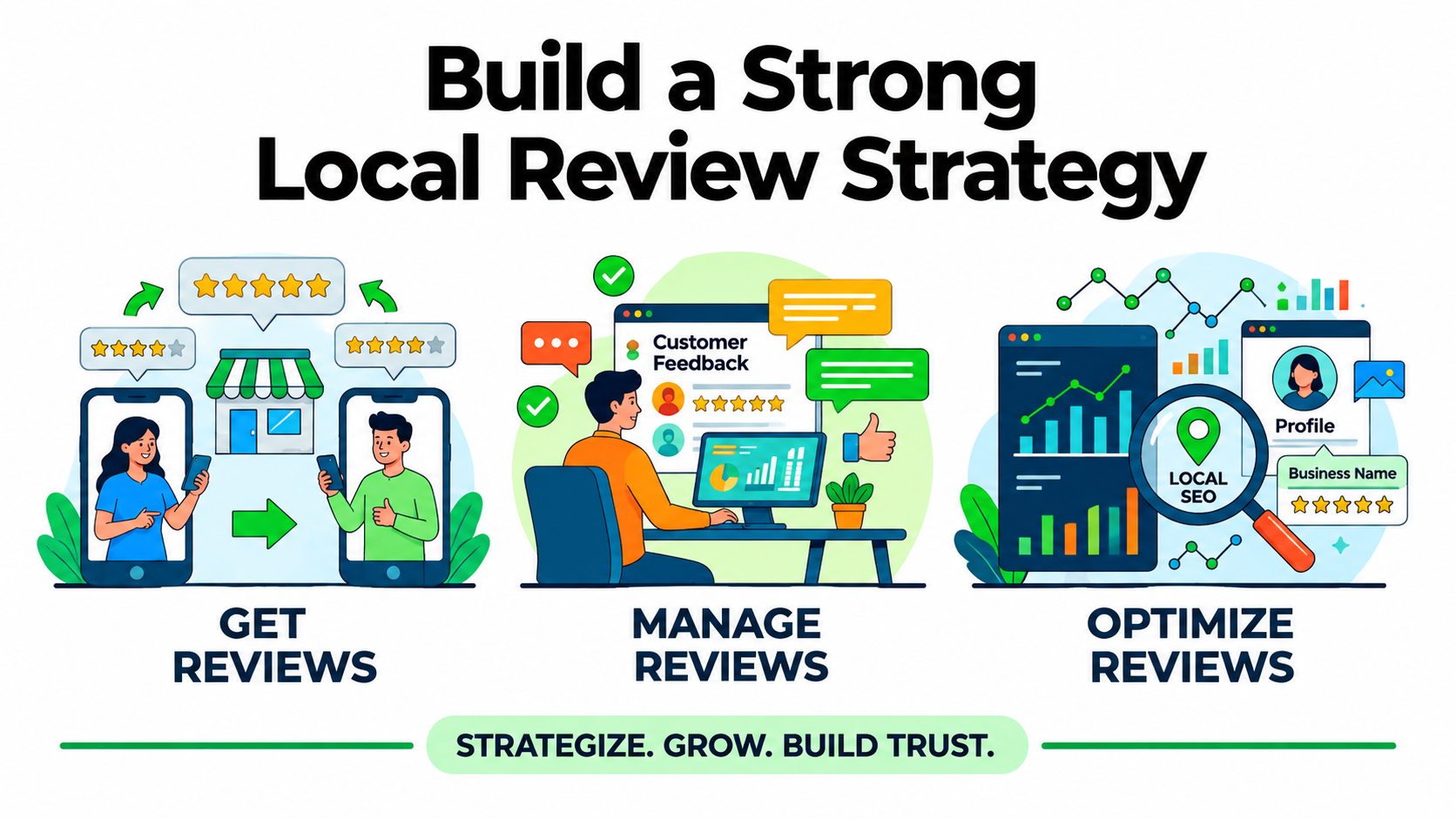
Strategy #3: Build a Strong Local Review Strategy
Reviews often shape an opinion before a customer ever speaks to the business. A few detailed comments can indicate whether the team arrives on time, communicates effectively, addresses issues appropriately, and fulfills promises. A few detailed comments can reveal about whether the team arrives on time, communicates effectively, addresses issues appropriately, and fulfills promises. That makes customer reviews much more than a star rating beside the company name.
A natural review process can look like this:
- Ask at the Right Time: A completed job, successful appointment, delivery, or positive service experience is usually a sensible moment to invite feedback.
- Let People Say What They Want: Real reviews sound different from one another. Customers should not be scripted or pushed to mention particular words.
- Acknowledge Positive Reviews: A short, genuine reply shows that somebody at the business is paying attention.
- Watch for Patterns: If customers repeatedly praise the same thing, that may be a genuine strength worth highlighting elsewhere. If the same complaint continues to appear, it may point to something that needs fixing.
- Learn From the Language Customers Use: Reviews often reveal the questions, concerns, and expectations customers bring with them.
- Stay Away From Fake Feedback: Purchased or manufactured reviews may look tempting, but they can damage trust and create platform problems.
Strong local SEO marketing works better when the reputation behind it is real. Honest feedback gives future customers something useful to judge, while thoughtful responses show that the business cares about what happens after the sale.
Strategy #4: Optimize Your Website for Local Search Intent
A Google listing can tell someone the basics, but it cannot answer every question. Customers may want to know how a service works, how much it might cost, whether the company serves their neighborhood, or what happens after they make contact. Good small business SEO creates pages that answer those questions without making the website feel overly commercial. Good small business SEO provides pages that answer those questions while maintaining a natural, user-friendly feel. For a search engine.
Some of the most useful improvements include
- Think About Why Someone Is Searching: One visitor may need emergency help. Another might be comparing three providers. Someone else may simply be trying to understand a problem. Their search intent is not always the same.
- Provide Important Services with Sufficient Detail: A core service deserves more than a single sentence on a long list. Explain what the service involves, who it is for, and what a customer may want to know before getting in touch.
- Use Local References Where They Belong: Geo-specific keywords can help establish where a service is available, but location names should fit naturally into the copy.
- Use Headings That Help Readers: Effective headings make longer pages easier to scan and allow visitors to locate the information they came for.
- Connect Related Pages: Link services to relevant articles, FAQs, location pages, and contact options so people can explore without hitting a dead end.
A page can rank and still do a poor job of helping the person who lands on it. Strong local ranking signals matter, but usefulness matters too. The most effective pages provide clear answers, alleviate uncertainty, and facilitate a seamless transition to contacting the business.
Practical Example: An HVAC company could connect its AC repair page with a troubleshooting guide, nearby service areas, maintenance advice, customer feedback, and a simple booking form. A visitor can seamlessly transition from “What is wrong?” to “Who can fix it?” without losing their way.
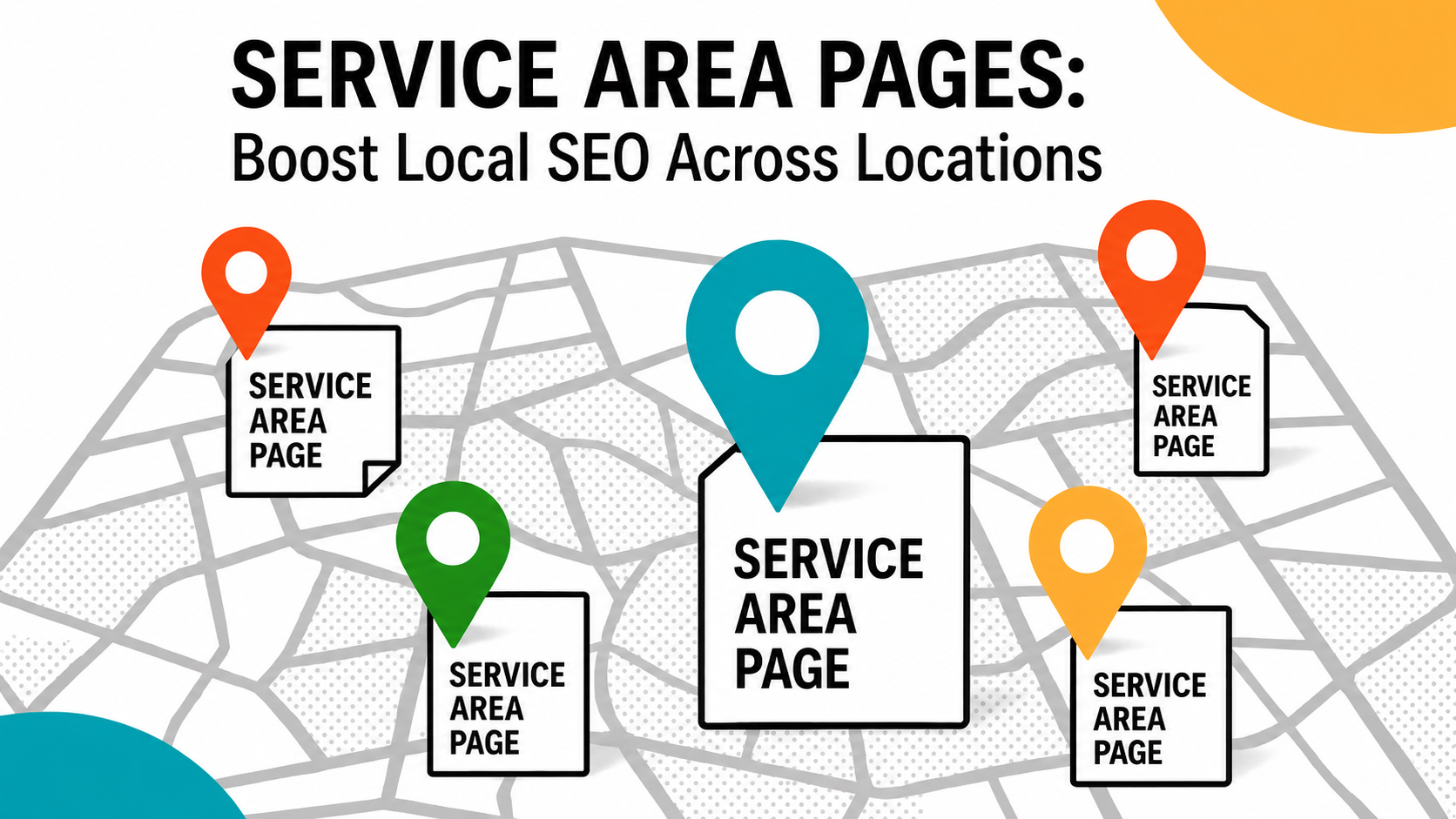
Strategy #5: Create High-Quality Location and Service Pages
Location pages can be genuinely useful when a company works across several towns or cities. When every page is a mere copy of the previous one, with only the place name changed, problems arise. Strong location pages should feel as though someone who actually lives in that area wrote them for someone who actually lives in that area.
Useful pages may include:
- Locations the Business Really Serves: There should be a genuine reason for the page to exist beyond wanting to appear for another city’s name.
- Customer Concerns That Differ by Location: Weather, building types, local rules, property styles, or service availability may change from one area to another.
- The Services Available There: Visitors should not have to guess whether a particular service is offered in their town.
- Projects and Real Examples: Previous work provides stronger proof than simply saying, “We proudly serve this location.”
- Questions People in That Area Ask: Location-specific FAQs can be useful when travel, availability, timing, or coverage varies.
Good location pages should help someone decide whether the business is relevant to them. They naturally build local relevance because they provide more than a city name repeated across a page.
Strategy #6: Build Local Authority Using Backlinks and Mentions
Local authorities usually grow via real connections, not link-building shortcuts. A company might be mentioned in a local newspaper, trade organization, supplier, chamber of commerce, charity, business partner, or industry publication. These types of references can add to local authority, as they come from those with a real reason to talk about the business.
Worthwhile opportunities include:
- Local Directories with Real Value: Regional or professional listings can be helpful when the site is recognized and properly maintained.
- Trade and Industry Organizations: Specialist websites and associations can reinforce what the company does and where its expertise sits.
- Regional Media: Community work, original research, expert comments, events, or business news can give local publishers something worth covering.
- Digital PR: Useful research, expert insight, data, or practical resources can give journalists and publishers a reason to mention the company.
- Relevant Local Backlinks: Local backlinks are strongest when they come from websites that would reasonably reference the business even if SEO were not part of the conversation.
A handful of good references can be worth far more than hundreds of forgettable links. The most useful local SEO tips around authority are often simple: build real relationships, do things worth talking about, and earn mentions from places your customers recognize.
Strategy #7: Create Locally Relevant Content
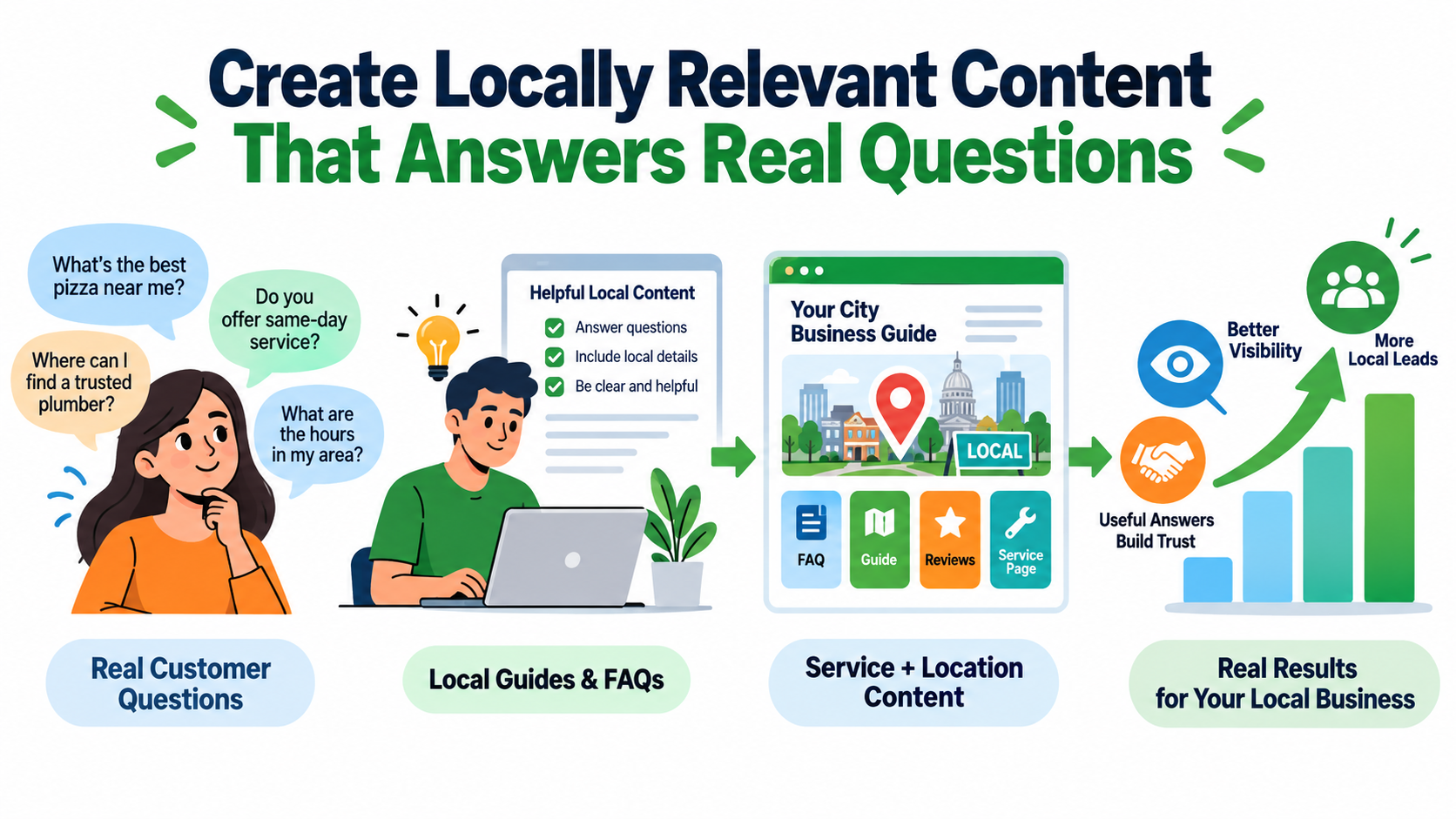
Some of the best content ideas come from questions people ask every week. What does this service cost? How long will it take? Is this problem serious? Which option is better? Good answer-focused content starts with those everyday questions instead of starting with a list of terms the business wants to rank for.
Places to find strong ideas include:
- Common Problems: Warning signs, preparation, maintenance, timelines, and what to expect can all become useful articles.
- Local Issues: Weather, regulations, building types, seasonal problems, or regional habits can make a topic more relevant when they genuinely affect the service.
- Helpful Area Guides: A well-written local guide can help someone make a decision without feeling like a disguised sales page.
- Questions Asked Before Buying: Cost, suitability, differences between services, timelines, and next steps are often exactly what potential customers want to understand.
- Links to Relevant Services: If a reader finishes an article and needs help, finding the related service should be easy.
Useful content does not need to sound clever. It needs to be helpful. When an article answers a real question clearly, it can build trust, support internal linking, and introduce the business before the customer is ready to make a decision.
Content Tip: Keep a simple list of questions customers ask during calls, emails, consultations, and sales conversations. Those questions often make far better topics than generic SEO content ideas.
Strategy #8: Improve Technical SEO and Business Data
Technical SEO can sound complicated, but much of it comes down to whether the website works properly. Pages should load, links should take people somewhere useful, forms should work on a phone, and search engines should be able to access important content. Structured data can add clarity, but only when the website itself is already in good shape.
Some basics worth checking are
- Can Search Engines Reach the Important Pages? Service, location, and key informational pages should normally be crawlable and indexable.
- Does the Site Work Well on a Phone? Strong mobile SEO matters because many local searches happen while someone is out, travelling, or looking for help on the go.
- Are Pages Fast Enough? Huge images, too many scripts, or slow hosting can make visitors leave before they see the page.
- Are Broken Pages Being Fixed? Dead links and poor redirects make the site harder to use and harder to crawl.
- Is Local Schema Being Used Properly? Local schema markup can help clarify information through suitable schema types such as Local Business, Organization, Breadcrumb, and relevant service markup.
Technical SEO should make the site feel dependable. Fast loading, working links, clear navigation, accurate information, and useful structured data all contribute to a better experience. Schema can support understanding, but it cannot cover up a website that is confusing or poorly maintained.
Strategy #9: Optimize Local Content and Conversational Search
AI search does not mean every local business suddenly needs a completely different content strategy. AI search optimization works best when the basics are already strong. Clear information, real examples, useful answers, consistent company details, and trustworthy references are valuable to people first, and they can also make content easier for AI systems to understand.
A few habits can help:
- Keep Company Facts Clear: Services, opening hours, locations, experience, qualifications, and limitations should not be buried in vague wording.
- Write the Way People Speak: Natural sentences are easier to follow than content built around awkward search terms.
- Keep Entity Signals Consistent: Matching company names, services, locations, profiles, contact details, and outside references can strengthen entity signals.
- Be Clear About Where Services Are Offered: Do not leave customers guessing whether a service is available in their city.
- Keep Facts Up to Date: Old addresses, former staff, discontinued services, or outdated opening hours can create confusion fast.
- Write for People Before Algorithms: If the content feels awkward to a real customer, it is probably trying too hard.
AI gives people another way to research businesses, but it does not change what useful information looks like. Clear answers, genuine expertise, current facts, and credible references still do most of the heavy lifting.
Strategy #10: Measure Local Visibility beyond Rankings
Rankings are worth checking, but they are not the whole story. Moving from position eight to position four looks good in a report, but it matters much more if the business starts receiving better calls, inquiries, or bookings. Local search visibility should eventually connect with real customer activity.
Numbers worth watching include:
- Local Keyword Visibility: Check whether important service and location pages are becoming easier to find.
- Google Maps and Local Pack Visibility: Look at whether the business is showing up during the local searches that matter most.
- Business Profile Activity: Calls, website clicks, bookings, and direction requests from the Google Business Profile can show whether people are taking the next step.
- Organic Website Traffic: Look beyond total visitor numbers and check whether the right pages are attracting the right people.
- AI Mentions and Citations: Where useful, keep an eye on whether the brand appears in relevant AI-driven searches, but do not treat every mention as a conversion.
- Revenue from Local Customers: If the tracking is available, connect SEO activity with sales rather than stopping at traffic and rankings.
Measurement should help answer a simple question: Is this work bringing the business closer to more good customers? Effective local SEO strategies may improve rankings, but the stronger result is better enquiries, more appointments, stronger leads, and increased revenue.
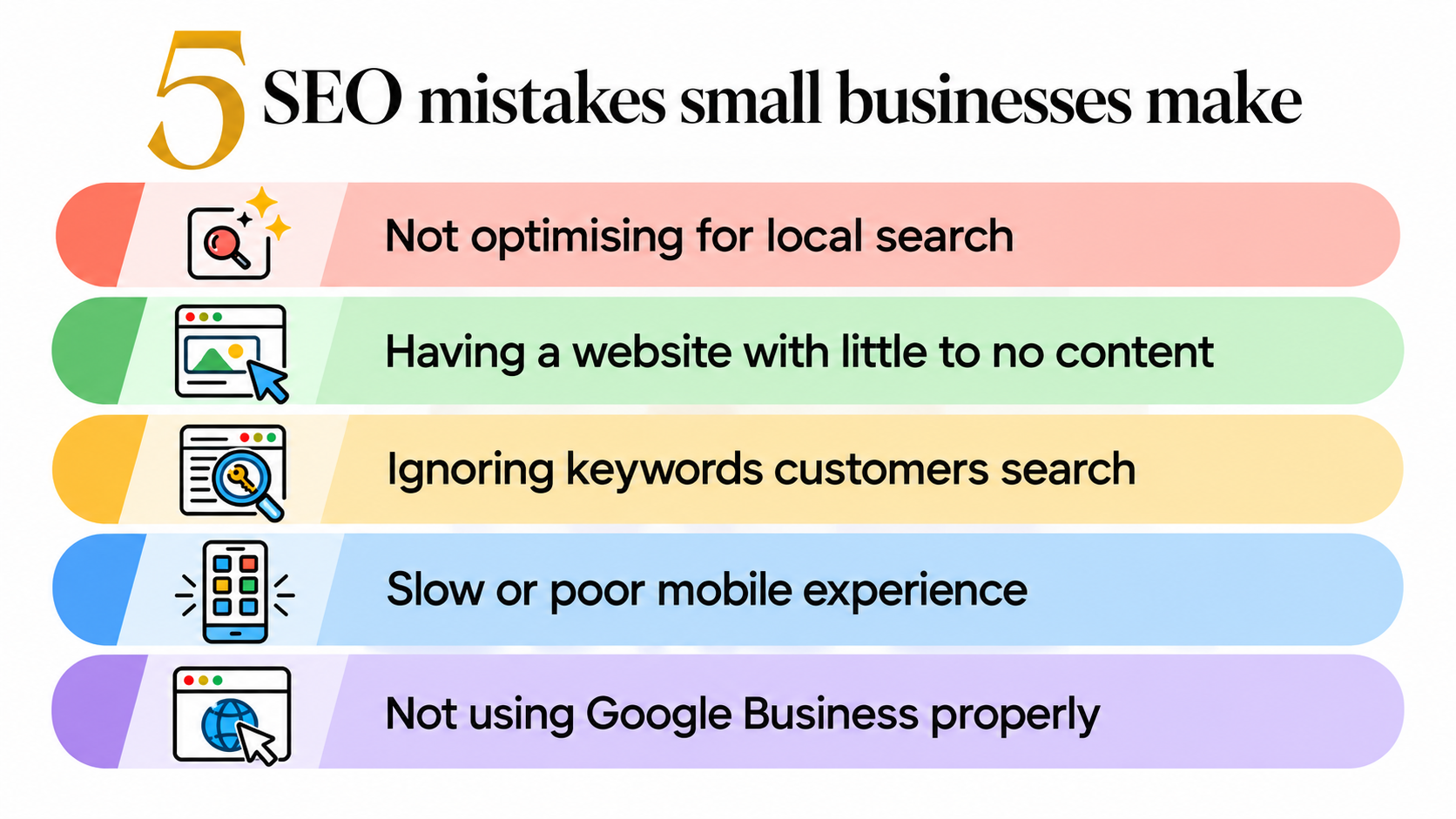
Local SEO Mistakes Small Businesses Should Avoid
Local SEO often goes wrong when someone tries to rush the process. Extra keywords get pushed into the business name, dozens of almost identical city pages appear, or fake reviews are bought to make the company look more established. These shortcuts can create more problems than they solve. Sustainable local search rankings are better built on accurate information, useful content, genuine reputation, and real local relevance.
Common mistakes include:
- Stuffing the Business Name with Extra Terms: The official name should look like the actual business name, not a list of services and locations.
- Using Categories That Do Not Really Fit: Categories should describe what the company genuinely offers.
- Inventing Locations: Fake offices and addresses can create trust and platform issues.
- Chasing Poor-Quality Citations: Useful local citations matter more than sheer volume.
- Leaving Negative Reviews Unanswered: A thoughtful response can sometimes tell future customers more about the business than the complaint itself.
- Ignoring the Website Because Google Maps Is Working: Customers still visit websites when they need more detail before making a decision.
- Publishing Generic AI Content: If every article could belong to any business in any city, it is unlikely to make much of an impression.
- Expecting Schema to Fix Weak SEO: Structured data helps explain information. It does not replace substance.
Avoiding these mistakes allows a business to spend its time on work that actually improves the customer experience and strengthens trust. Local SEO should make the company easier to find and easier to choose, not simply create more activity behind the scenes.
A Practical Local SEO Implementation Roadmap
Trying to improve everything at once can make local SEO feel much harder than it needs to be. A more practical approach is to stick to the basics and build from there. If your business information is incorrect or your website is hard to use, there is little point rushing into complex content or link campaigns.
A sensible order could be
- Phase 1 – Fix the Foundation: Review the Google Business Profile, check contact details, clean up NAP consistency, review important local citations, and deal with obvious technical issues.
- Phase 2 – Strengthen Important Pages: Improve service content, build useful location pages, understand customer search intent, and connect related pages properly.
- Phase 3 – Work on Trust: Ask for genuine reviews, earn relevant local backlinks, improve citations, and look for credible third-party mentions.
- Phase 4 – Publish Better Content: Answer real questions, create useful guides, build topic clusters, and use examples from actual experience.
- Phase 5 – Improve AI Readiness: Make business information easier to understand, strengthen entity signals, and provide direct answers supported by real expertise.
- Phase 6—Measure What Happens: Review local search visibility, traffic, calls, enquiries, lead quality, conversions, and revenue.
Implementation Priority: Limited budget? Start with what customers notice immediately: accurate business information, a complete profile, good service pages, working contact options, and genuine reviews.
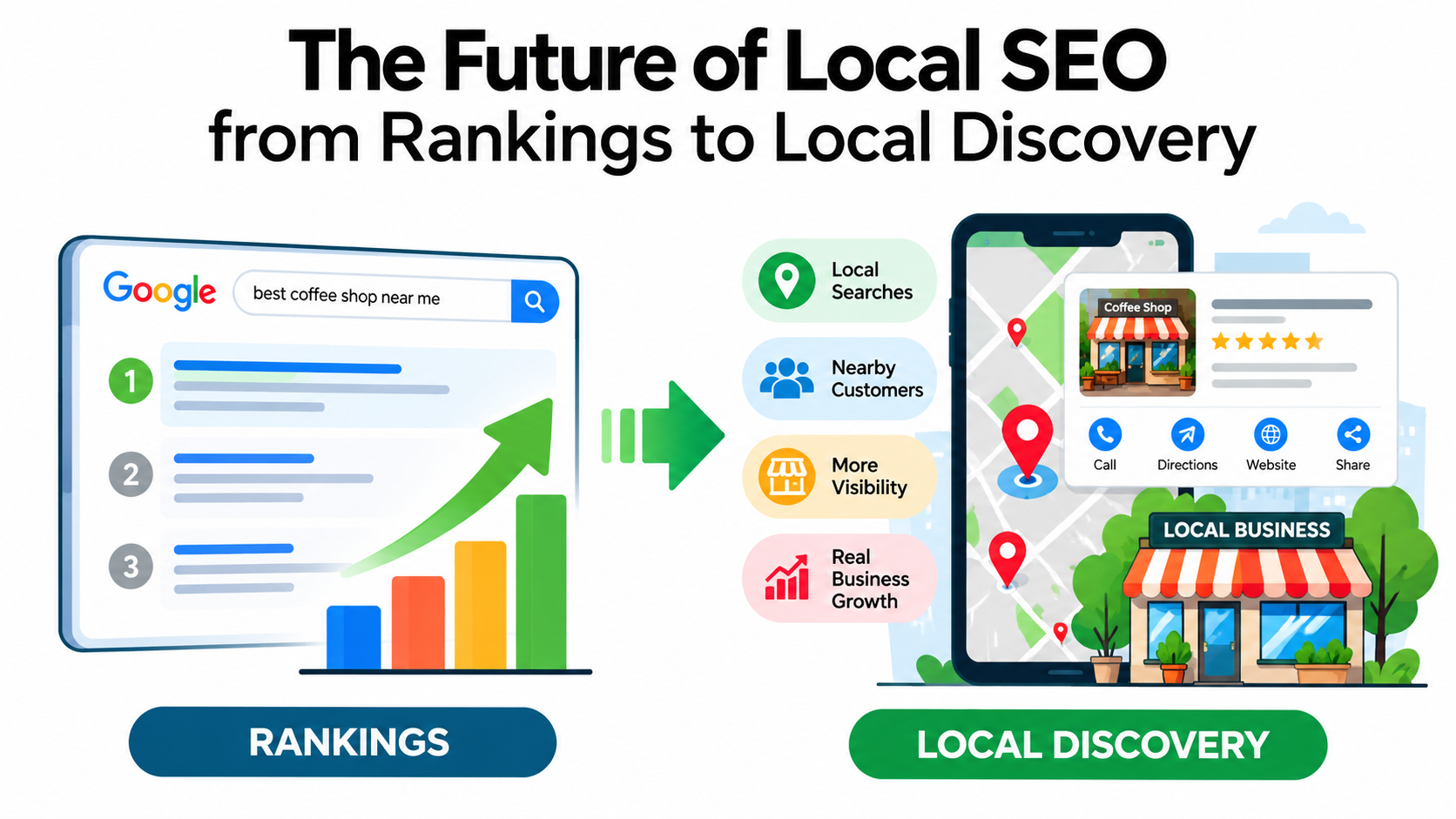
The Future of Local SEO from Rankings to Local Discovery
Local SEO is not going away. It is simply becoming part of a broader way people find and compare nearby businesses. Google Search, Google Maps, reviews, websites, business listings, and AI tools can all play a role in that journey. Businesses do not need to change everything whenever a new search feature appears. They just need to keep their information clear, accurate, and easy to find.
Google Search and Maps will still be important for local discovery, while AI search engines can help people compare options, ask more detailed questions, and decide which businesses are worth contacting. Reviews will continue to matter too, because they give potential customers a real view of other people’s experiences.
At the same time, local SEO, AEO, GEO, and answer-focused content are starting to work more closely together.
Future Local Visibility = Strong Local Presence + AI Readiness
Conclusion
Local SEO has grown beyond ranking a page for a service and city. Customers now discover businesses through Google Search, Maps, reviews, websites, recommendations, conversational tools, and AI-powered search.
The fundamentals are still familiar. Accurate information, a useful website, a well-maintained Google Business Profile, real reviews, relevant citations, trusted links, and clear local experience all matter. AI does not replace those basics. It simply gives that information another place to appear. Small businesses do not need to chase every new search feature. A better goal is to become easy to find, easy to understand, and easy to trust wherever customers happen to look.
Want to Grow Your Local Visibility?
Contact eSign Web Services for local SEO proposal and find out where your business has the biggest opportunities to attract more relevant local customers. Whether you want more local enquiries, stronger map visibility, better website performance, or a clearer presence in AI-driven search, our team can identify where the gaps are and build a practical plan around them.
Frequently Asked Questions
Question: What is local SEO, and why is it important for small businesses?
Answer: Local SEO allows people in the vicinity to discover your company’s presence whenever they may require your products or services. As a small firm, this means that you will get more calls, inquiries, bookings, visits to your site, and even to your physical stores.
Question: What are the most effective local SEO strategies for small businesses?
Answer: It should begin with correct information about your business, a properly maintained Google Business profile, service and location pages, honest customer testimonials, local references, and good content. This combination is highly effective since it creates a more coherent image of the business for the customers.
Question: How can a business improve its Google Maps visibility?
Answer: Keep your business profile up to date, use the right categories, post real photos (not doctored), make sure your hours of operation are correct, and make sure your customer reviews are from real customers. This is especially helpful if you have the same information on your website and other reputable listings.
Question: How can a local business improve its visibility in AI search?
Answer: Simplify the company. Update information, answer frequently asked questions, clarify services, explain locations, and provide real experience through relevant content. Mentions on third-party sites may also help create a clear picture of the company.
Question: How should businesses measure local SEO success?
Answer: Ranking can prove beneficial, but ranking alone cannot do much. See what is coming through your calls, website visits, inquiries, bookings, directions, qualified leads, and sales. The above stats would reveal if your increased visibility is translating into any good business for you.
Author Details

Ashwani Kumar Sharma
Ashwani has been actively involved in SEO services since 2005. His expertise and distinctive work approaches have made him one of the most experienced and trusted SEO experts in the industry. He is a certified SEO and Google Ads professional. He also has strong business development skills in advanced SEO, PPC, and digital marketing strategies.


